
- Snoring is trending because it’s not just annoying—it’s tied to sleep quality, mood, and next-day performance.
- People are buying sleep gadgets fast, but the best “fix” is the one you can tolerate nightly.
- An anti snoring mouthpiece can be a practical first test when snoring seems position- or jaw-related.
- Relationship humor aside, chronic snoring can create real resentment and separate-bed negotiations.
- If you see red flags (gasping, choking, heavy daytime sleepiness), treat it as a health check—not a DIY project.
The big picture: why snoring is in the headlines again
Sleep has become a performance metric. People track it, optimize it, and compare notes on everything from wearables to “viral” bedtime hacks. At the same time, burnout and travel fatigue are everywhere, so any disruption feels louder.
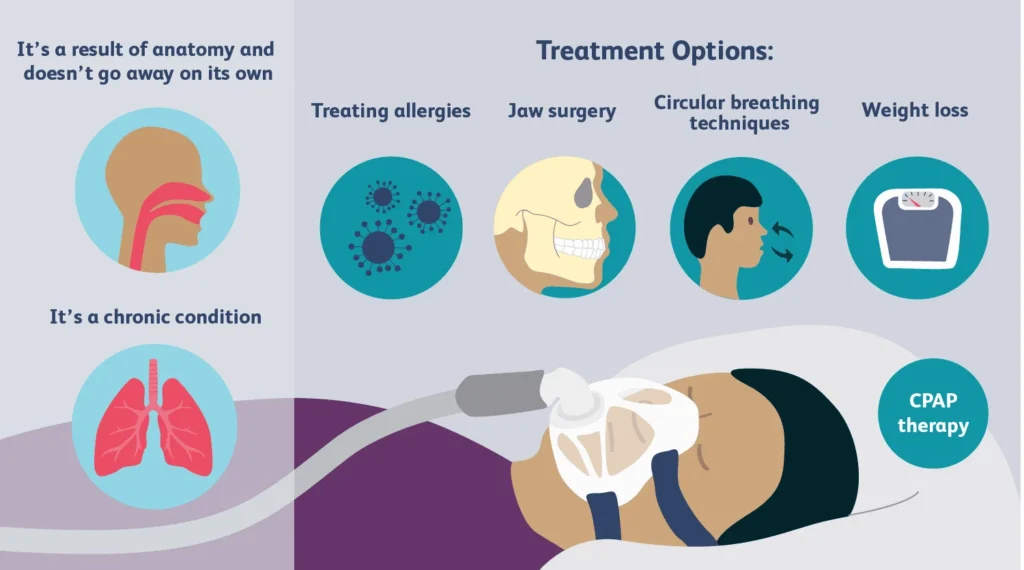
Recent coverage has also connected obstructive sleep apnea to major productivity losses at a population level. You don’t need exact numbers to get the point: when sleep breaks, work, safety, and health often follow. If you want the broader context, see this Obstructive sleep apnea may cost UK and US economies billions in lost productivity.
The emotional side: the “it’s just snoring” story rarely stays small
Snoring jokes land because they’re relatable. The elbow nudge at 2 a.m. The pillow wall. The “I’m fine” the next morning that clearly isn’t fine.
Over time, the frustration can shift from the noise to what it represents: missed deep sleep, irritability, and the feeling that bedtime is a battle. If you’re the snorer, you may feel blamed for something you can’t fully control. That’s why a neutral, test-and-measure approach works better than arguments.
Practical steps: a no-drama plan to improve sleep quality
Step 1: run a 7-night baseline (no new gadgets)
Keep it simple. Track three items: how loud the snoring seems (partner rating or an app), how you feel on waking, and afternoon sleepiness.
If travel or a late work push is happening, note it. Jet lag and stress can spike snoring and make the data look worse than your normal week.
Step 2: choose one change, not five
Right now, sleep trends push people toward stacks: mouth tape, nasal strips, humidifiers, special pillows, and more. The downside is you won’t know what helped, and you may quit everything at once.
If your goal is immediate, measurable impact, pick one intervention and repeat the same tracking for another 7 nights.
Step 3: where an anti snoring mouthpiece fits
A mouthpiece is popular because it’s direct. It aims to reduce snoring by changing oral/jaw positioning to help keep the airway more open during sleep.
For many households, it’s also a relationship tool. It’s a concrete attempt that says, “I’m taking this seriously,” without turning bedtime into a clinic visit.
If you’re comparing options, start here: anti snoring mouthpiece.
Safety and testing: what to watch before you commit
Comfort is not optional
If a device causes jaw pain, tooth pain, or headaches, don’t push through it as a “normal adjustment.” Minor acclimation is one thing; persistent pain is another.
Also watch for dry mouth or gum irritation. Those issues can be fixable, but they’re signals to adjust your approach.
Be cautious with viral hacks
Mouth taping has been discussed widely in sleep media, often with a mix of enthusiasm and warnings. The key point is safety: if your nose isn’t reliably clear, forcing mouth closure can feel distressing and may be risky for some people.
If you try any trend-driven tactic, keep it conservative. Stop immediately if breathing feels restricted, anxiety spikes, or sleep quality worsens.
Know the red flags for sleep apnea
Snoring can be harmless, but it can also be linked with obstructive sleep apnea. Consider medical screening if you notice any of the following:
- Gasping, choking, or witnessed breathing pauses
- Strong daytime sleepiness or dozing off unintentionally
- Morning headaches, concentration problems, or mood changes that persist
- High blood pressure or cardiometabolic concerns (discuss with a clinician)
Medical disclaimer: This article is for general education only and isn’t medical advice. It doesn’t diagnose or treat any condition. If you suspect sleep apnea or have severe symptoms, talk with a qualified healthcare professional or a sleep specialist.
FAQ: quick answers people are asking right now
Is snoring worse during stressful weeks?
It can be. Stress can disrupt sleep stages, increase muscle tension, and worsen congestion behaviors (like alcohol use or late meals) that may make snoring more noticeable.
What’s the simplest way to tell if a mouthpiece is “working”?
Use a two-part score: partner-reported snoring intensity plus your next-day alertness. If only one improves, keep testing or change variables.
Can workplace burnout make snoring feel louder?
Yes, because light sleep makes you more sensitive to sound. Burnout also increases the odds you’ll notice every wake-up, even small ones.
CTA: make the next step a controlled experiment
If snoring is draining your nights, don’t keep buying random sleep gadgets and hoping. Pick one tool, track it, and decide based on results.