
Five fast takeaways before you spend another night guessing:
- Snoring is often an airflow problem, not a willpower problem.
- Sleep gadgets are everywhere right now, but the best fix is usually the simplest one you’ll actually use.
- An anti snoring mouthpiece can be a budget-friendly test drive for better sleep quality at home.
- CPAP users can still snore, so “I’m treated” doesn’t always mean “I’m quiet.”
- Red flags matter. Some snoring patterns should trigger a medical conversation, not another online hack.
Why snoring is suddenly everyone’s side quest
Sleep has become a full-on culture topic. You see it in wearable scores, “sleepmaxxing” routines, and the rise of adult sleep coaching that promises to cut through the noise. That trend makes sense: people are tired of scrolling through conflicting advice when they’re already running on fumes.
Add travel fatigue, irregular schedules, and workplace burnout, and snoring becomes the annoying soundtrack no one asked for. It also becomes relationship content. A lot of couples joke about “sleep divorce,” but the punchline stops being funny when both people are chronically sleep-deprived.
A decision guide: if this is your situation, then do this
Use these branches to avoid wasting a cycle. Start with the easiest, lowest-cost changes first, then move up only if you need to.
If your snoring flares up after travel, late nights, or burnout… then start with basics for 7 nights
Temporary snoring spikes often track with sleep loss, alcohol close to bedtime, and back-sleeping. Try tightening the basics for one week. Keep the goal simple: fewer awakenings and less noise.
- Keep bedtime and wake time steady, even on weekends.
- Skip alcohol within a few hours of sleep if snoring is a problem.
- Side-sleeping tends to help many people who snore.
If you improve, you’ve learned something valuable: your snoring is sensitive to routine. If you don’t, move to the next branch.
If you mostly snore on your back… then test a position plan before buying anything fancy
Back-sleeping can make the tongue and soft tissues fall backward. That narrows the airway and increases vibration. A simple positional setup can be enough for some people.
Try a pillow arrangement that makes back-sleeping less comfortable, or use a dedicated positional aid. Keep it realistic. If you hate it, you won’t stick with it.
If you wake with a dry mouth or you’re a mouth breather… then consider an anti snoring mouthpiece
Mouth breathing and relaxed jaw position can worsen snoring for many adults. A mouthpiece may help by supporting the jaw forward (common in mandibular advancement designs) or by helping keep the tongue from collapsing backward (tongue-stabilizing designs).
This is where the budget/practical lens matters. A mouthpiece is often a lower-cost way to see whether airway support changes your snoring pattern before you invest in more complex solutions.
If you want to compare options, see anti snoring mouthpiece.
If you already use CPAP but the snoring continues… then troubleshoot instead of stacking hacks
Some people assume CPAP automatically eliminates all snoring. In real life, mask fit, mouth leaks, nasal congestion, or pressure settings can still leave you noisy. If you’re still snoring with CPAP, it’s a good prompt to review equipment and settings with your sleep clinician or DME provider.
Avoid layering random add-ons without a plan. It gets expensive fast, and it can make adherence worse.
If you have congestion or seasonal dryness… then address the nose, but don’t expect miracles
Nasal issues can push you toward mouth breathing, which can amplify snoring. Some recent coverage has discussed saline approaches in specific pediatric sleep-disordered breathing contexts, but that doesn’t translate into a universal adult snoring cure.
Think of nasal support as a “reduce friction” move. It can help comfort and airflow, yet it may not solve the core airway mechanics driving your snoring.
If your partner reports choking, gasping, or breathing pauses… then treat this as a health issue first
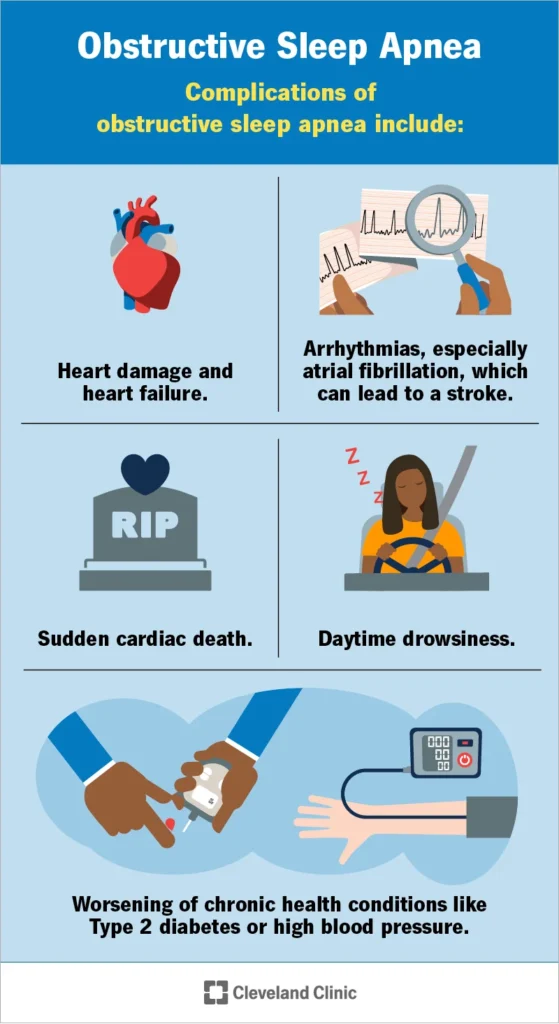
Snoring can overlap with sleep apnea, a condition where breathing repeatedly narrows or stops during sleep. If you also have strong daytime sleepiness, morning headaches, or high blood pressure concerns, don’t self-experiment indefinitely. Bring it up with a clinician and ask about screening.
For a plain-language overview, you can read about the ‘We cut through the online ocean of advice’: the rise of adult sleep coaching and why people are seeking clearer guidance.
How to choose an anti snoring mouthpiece without overthinking it
Ignore the “perfect” pick and focus on the “likely to wear it” pick. Comfort and consistency beat a theoretically ideal device that stays in a drawer.
Pick your starting point
- If you want the simplest trial: consider a boil-and-bite mandibular advancement style for fit and affordability.
- If you suspect tongue collapse: a tongue-stabilizing style may be worth discussing with a dental professional.
- If you have jaw pain/TMJ history: go slower and consider professional guidance before forcing advancement.
Use a quick “2-week scorecard”
- Noise: fewer nudges, fewer recordings with loud snoring.
- Sleep quality: fewer wake-ups, easier mornings.
- Comfort: no persistent jaw pain, gum irritation, or tooth soreness.
If comfort fails, don’t brute-force it. Fit problems usually don’t “train away.”
FAQ (quick answers)
What does an anti snoring mouthpiece actually do?
Most designs gently reposition the lower jaw or stabilize the tongue to help keep the airway more open, which can reduce vibration that causes snoring.
How do I know if my snoring is more than “normal” snoring?
If you have loud snoring plus choking/gasping, witnessed breathing pauses, or strong daytime sleepiness, it’s worth discussing sleep apnea screening with a clinician.
Can you still snore while using CPAP?
Yes. Fit issues, mouth leaks, pressure settings, congestion, or sleeping position can still lead to noise. A sleep professional can help troubleshoot.
Are boil-and-bite mouthpieces worth trying?
They can be a practical starting point for many adults because they’re affordable and quick to test. Comfort, jaw sensitivity, and fit determine success.
How fast will a mouthpiece improve sleep quality?
Some people notice less noise within a few nights. Better sleep quality often follows once awakenings drop, but it can take a couple of weeks to adjust.
Is saline nasal spray a snoring fix?
It may help nasal dryness or congestion for some people, but it isn’t a universal snoring solution. Snoring has multiple causes, so results vary.
Next step: make one smart move tonight
If your snoring seems routine-related, start with the 7-night basics and track results. If you want a practical at-home trial that doesn’t require a gadget ecosystem, an anti snoring mouthpiece is often the next logical step.
How do anti-snoring mouthpieces work?
Medical disclaimer: This article is for general education only and isn’t medical advice. Snoring can be a sign of sleep apnea or other health conditions. If you have breathing pauses, choking/gasping, significant daytime sleepiness, or other concerning symptoms, seek evaluation from a qualified clinician.