
Snoring is having a moment again. Between new sleep “rules,” shiny bedside gadgets, and burnout talk at work, people are finally connecting noise at night with how they feel all day.
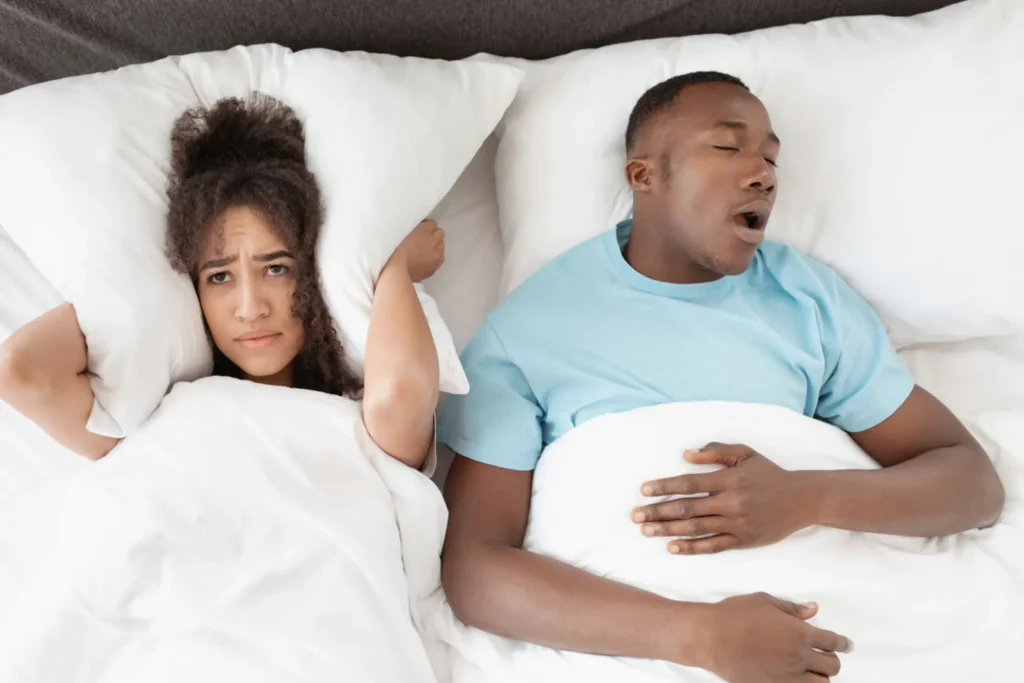
And yes—relationship humor is back too. The “who’s sleeping on the couch?” joke lands differently when both people are exhausted.
Thesis: If snoring is stealing sleep quality, an anti snoring mouthpiece can be a practical next step—but screening for sleep apnea and using it safely matters more than trends.
What people are talking about right now (and why)
Recent coverage has linked disrupted breathing at night with daytime mental sharpness, mood, and performance. The takeaway people repeat is simple: bad sleep doesn’t stay in the bedroom.
At the same time, “sleep optimization” content is everywhere. You’ll see rules-of-thumb about timing and consistency, plus reviews ranking mouthpieces and mouthguards. There’s also buzz about new anti-snoring devices being tested in clinical research, which keeps the category in the spotlight.
Layer in real life—travel fatigue, late-night emails, and shared bedrooms—and it makes sense that snoring solutions keep trending. People want something that’s fast, packable, and not a full medical setup.
What matters medically (without the hype)
Snoring vs. obstructive sleep apnea: don’t guess
Snoring can be “just snoring,” but it can also be a sign of obstructed breathing during sleep. Obstructive sleep apnea (OSA) is the big reason to take persistent snoring seriously, because it can fragment sleep and reduce oxygen levels.
If you want a general overview of how OSA connects with cognition and mental performance, see this related coverage: Obstructive Sleep Apnea, Cognitive Health, and Mental Performance.
How mouthpieces may help
An anti-snoring mouthpiece typically works by positioning the jaw or tongue to help keep the airway more open. The goal is fewer vibrations (less snoring) and fewer sleep disruptions.
This is not the same as “more willpower” or “more gadgets.” It’s a mechanical approach—useful for many people, not right for everyone.
Safety and screening: reduce risk, document your choice
Be direct with yourself: are you chasing a quick fix while ignoring symptoms that need medical attention? If your partner notices breathing pauses, or you wake up gasping, treat that as a screening problem first—not a shopping problem.
Also think dental safety. Jaw pain, tooth pain, gum irritation, and bite changes are reasons to stop and reassess. Keep the device clean and dry between uses, and don’t share mouthpieces.
What you can try at home tonight (low-drama, high-signal)
Run a 7-night “snore + energy” log
Track three things for one week: bedtime/wake time, alcohol or heavy meals within 3 hours of bed, and next-day sleepiness. Add a simple note: “snoring reported: yes/no.” If you sleep alone, a basic audio recorder can help.
This creates evidence. It also prevents the common trap of changing five things at once and learning nothing.
Reduce airway friction before you buy anything
Try the basics that often stack well with other solutions: side-sleeping, consistent sleep timing, and managing nasal congestion. Travel week? Expect more snoring. Dry hotel air and exhaustion can amplify it.
Consider a mouthpiece—carefully
If your pattern looks like straightforward snoring (not obvious apnea red flags), a mouthpiece may be worth a trial. Look for a design you can tolerate and maintain, and plan a short adaptation period.
If you’re comparing products, start here: anti snoring mouthpiece. Keep your expectations realistic: the best device is the one you can wear comfortably and consistently.
When to stop experimenting and get help
Get evaluated if you have loud snoring most nights plus any of the following: witnessed breathing pauses, choking/gasping, significant daytime sleepiness, morning headaches, high blood pressure, or you’re dozing off while driving.
Also seek help if a mouthpiece causes persistent jaw pain, tooth pain, or bite changes. A clinician or dentist can help you choose a safer approach and rule out bigger issues.
FAQ (quick answers)
Is snoring always a health problem?
No, but chronic snoring can signal sleep-disordered breathing. Treat it as a symptom worth checking, especially if daytime function is suffering.
Do mouthpieces cure sleep apnea?
Some oral appliances can be prescribed for certain cases, but not every mouthpiece is appropriate for diagnosed OSA. If apnea is suspected or confirmed, follow a clinician’s plan.
What if my snoring is worse after stress or burnout?
Stress can worsen sleep quality and increase light sleep, which may make snoring more noticeable. Focus on consistent sleep timing and recovery habits, then reassess.
Next step
If you want a simple explanation before you buy anything, start here:
How do anti-snoring mouthpieces work?
Medical disclaimer: This article is for general education and is not medical advice. It does not diagnose, treat, or replace care from a licensed clinician. If you suspect sleep apnea, have severe daytime sleepiness, or experience breathing pauses during sleep, seek medical evaluation.