
- Snoring is often an airflow + positioning problem, not a “willpower” problem.
- Sleep gadgets are everywhere right now, but comfort and consistency beat hype.
- An anti snoring mouthpiece can help by holding the jaw or tongue in a better spot.
- Viral hacks (like mouth taping) may sound simple, yet safety depends on your breathing and health.
- Cleanup and fit decide whether you use it nightly—or quit by day three.
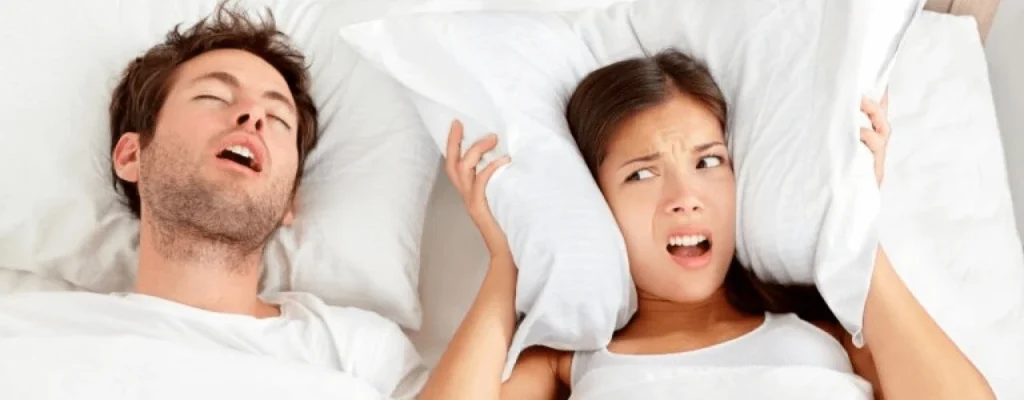
Snoring has become a weirdly public topic. Couples joke about it. Travelers blame it on jet lag. Burned-out teams compare sleep trackers like they’re fantasy sports stats. Under the humor, the goal is serious: better sleep quality for you and the person next to you.
This guide is direct. It focuses on tools and technique: ICI basics (Impact, Comfort, Integration), positioning, and cleanup. No drama. No miracle claims.
Why is everyone suddenly talking about snoring fixes?
Because sleep is trending—and not just in wellness circles. People are buying rings, mats, white-noise machines, and “smart” everything. At the same time, headlines keep calling out risky shortcuts. One example: the Scientists warn against viral nighttime mouth-taping trend conversation keeps popping up.
Snoring also hits relationships fast. It’s the classic “I love you, but I can’t sleep” problem. That’s why people look for something practical they can try tonight.
What actually causes snoring (and when is it more serious)?
Snoring usually happens when airflow gets turbulent as you sleep. Soft tissues in the throat can vibrate. Nasal congestion can make it worse. Sleeping on your back often adds fuel to the fire.
Sometimes snoring is also a clue that breathing is being disrupted. Sleep apnea is a separate medical condition with specific symptoms and risks. If you have loud snoring plus choking/gasping, witnessed pauses in breathing, morning headaches, or heavy daytime sleepiness, it’s worth talking to a clinician.
Quick self-check (not a diagnosis)
- Do you wake up unrefreshed even after “enough” hours?
- Does your partner notice pauses, gasps, or choking sounds?
- Do you feel sleepy while driving or in meetings?
If yes, don’t just shop gadgets. Get medical input.
How does an anti snoring mouthpiece help sleep quality?
Most anti-snoring mouthpieces fall into two buckets:
- Mandibular advancement devices (MADs): gently hold the lower jaw forward to help keep the airway more open.
- Tongue-retaining devices (TRDs): help keep the tongue from sliding back.
When the airway stays more open, snoring can drop. That can improve sleep continuity for both people in the bed. Less noise also means fewer micro-wakeups caused by frustration, nudging, or “just one more pillow barrier.”
ICI basics: the fast way to choose and stick with it
- Impact: Does it target your likely issue (jaw/tongue position vs. pure nasal blockage)?
- Comfort: If it hurts, you won’t wear it. Comfort is the feature.
- Integration: Can you travel with it, clean it easily, and use it even during stressful weeks?
What should you look for in fit and comfort (so you don’t quit)?
Fit is where most people win or lose. A mouthpiece that’s “almost fine” becomes unbearable at 2:00 a.m. That’s when it ends up in a drawer next to the abandoned sleep mask.
Positioning: small adjustments, big difference
- Start conservative: If the device advances the jaw, begin with the smallest comfortable setting.
- Watch for pressure points: Hot spots on gums or sharp tooth pressure are a sign to reassess fit.
- Pair with side-sleeping: A mouthpiece plus side positioning often beats either one alone.
Comfort signals to respect
- Light soreness early on can happen.
- Sharp pain, jaw locking, or bite changes are not “normal tough-it-out” issues.
Is mouth taping a smart alternative to a mouthpiece?
Mouth taping is having a moment online because it looks simple and cheap. The problem is that “simple” isn’t the same as “safe.” If you can’t breathe well through your nose, forcing your mouth closed can backfire. It can also be risky if you have undiagnosed sleep-disordered breathing.
If you’re tempted by trends, use this filter: does it improve airflow, or does it just restrict your options? Mouthpieces aim to improve airway mechanics. Taping mainly limits mouth breathing.
How do you clean and maintain a mouthpiece without hassle?
Maintenance is the hidden reason people stop using sleep tools. Keep it boring and consistent.
Simple cleanup routine
- Rinse in cool or lukewarm water after use.
- Brush gently with mild soap if the instructions allow it.
- Air-dry fully before storing to reduce odor buildup.
- Avoid hot water, which can warp some materials.
Travel tip: pack a ventilated case. A sealed, wet container turns into a science project by day two of a work trip.
What if your sleep is messy from ADHD, stress, or travel fatigue?
A mouthpiece can reduce snoring, but it won’t fix a chaotic schedule by itself. If your brain is wired at bedtime, or you’re bouncing between time zones, you need a two-part plan: reduce snoring noise and protect sleep routine.
- For travel fatigue: keep the same wind-down steps even if bedtime shifts.
- For burnout weeks: prioritize the basics—consistent wake time, caffeine cutoff, and a dark room.
- For light sleepers in relationships: combine snoring control with earplugs or white noise to reduce resentment.
Think of it like workplace productivity. Tools help, but the system matters more than the app.
Common questions people ask before buying
Will I be able to talk or drink water with it in?
Most mouthpieces make talking awkward. Many users remove it briefly if they need water. Plan for that so it doesn’t become a nightly annoyance.
What if I breathe through my mouth at night?
Mouth breathing can be habit, congestion, or anatomy. Some people prefer a combo approach that supports jaw position and helps keep the mouth closed.
Do I need a dentist-made device?
Custom devices can be a good option, especially if you have dental work, jaw issues, or persistent symptoms. Over-the-counter options may still help for mild snoring, but comfort and fit are key.
FAQ
Can an anti snoring mouthpiece help right away?
Some people notice less snoring quickly, but comfort and fit usually take a few nights to dial in. Results vary by cause of snoring.
Is snoring always a sign of sleep apnea?
No. Snoring is common and can be harmless, but loud chronic snoring plus choking/gasping, daytime sleepiness, or witnessed pauses can be red flags to discuss with a clinician.
What’s the difference between a mouthpiece and mouth taping?
A mouthpiece aims to improve airflow by changing jaw or tongue position. Mouth taping tries to force nasal breathing and has drawn safety concerns, especially if you have congestion or possible sleep-disordered breathing.
How do I clean a mouthpiece without ruining it?
Rinse after use, brush gently with mild soap, and let it air-dry. Avoid hot water and harsh cleaners unless the product instructions say they’re safe.
What if I have jaw soreness or tooth pressure?
Mild soreness can happen early on, but sharp pain, bite changes, or persistent discomfort are reasons to stop and get professional guidance.
CTA: pick a setup you’ll actually use nightly
If you want a practical option that targets positioning and can fit into real life (including travel and busy weeks), consider an anti snoring mouthpiece. It’s a straightforward way to support jaw position and reduce mouth-opening that can worsen snoring.
How do anti-snoring mouthpieces work?
Medical disclaimer: This article is for general education only and is not medical advice. Snoring can have many causes, including sleep apnea and other conditions that require professional evaluation. If you have choking/gasping, witnessed breathing pauses, chest pain, severe daytime sleepiness, or concerns about safety, seek care from a qualified clinician.