
On a red-eye flight, someone in 22B starts snoring before the seatbelt sign turns off. A few rows back, a tired couple does that familiar “don’t laugh, I’m exhausted” look. By the time the plane lands, half the cabin feels like it pulled an all-nighter.
That’s why snoring is showing up everywhere right now—sleep gadgets, travel fatigue talk, relationship jokes, and workplace burnout threads. People want a fix that’s simple, not a second job. If you’re considering an anti snoring mouthpiece, here’s the practical, no-fluff way to think about it.
The big picture: why snoring wrecks sleep quality
Snoring isn’t just “noise.” It can fragment sleep for the snorer and anyone nearby. Even when you don’t fully wake up, micro-arousals can leave you feeling unrefreshed.
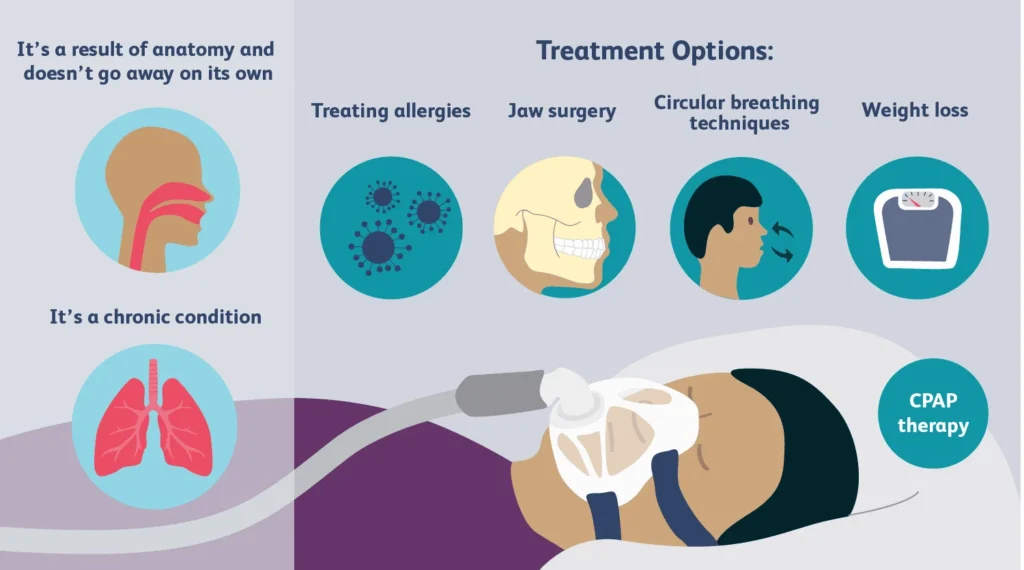
Snoring also sits on a spectrum. For some, it’s mainly vibration from relaxed tissues. For others, it can overlap with sleep-disordered breathing. That’s why recent coverage has emphasized that sleep apnea can be missed in certain groups, including women, when symptoms don’t match the stereotype.
If you want a deeper read on that broader conversation, see SleepZee Anti-Snoring Mouthpiece Consumer Report: 2026 Analysis of Mandibular Advancement Device Research, Snoring Reduction Claims, and What Buyers Should Verify.
The emotional side: it’s not just “annoying”
Snoring can turn bedtime into negotiation. One person wants closeness, the other wants quiet. Add travel jet lag, daylight savings shifts, or a stressful work sprint, and patience gets thin fast.
It helps to name the real goal: better sleep for both people. That framing keeps the conversation from becoming blamey. It also makes it easier to test solutions like a mouthpiece, a pillow change, or a routine reset without turning it into a referendum on the relationship.
Practical steps: where an anti-snoring mouthpiece fits
Most anti-snoring mouthpieces fall into a few buckets. The one getting a lot of attention in consumer roundups is the mandibular advancement device (MAD). It gently positions the lower jaw forward to reduce airway narrowing for some sleepers.
ICI basics: how comfort, fit, and position drive results
ICI is a simple way to remember what matters most:
- Interface: How it contacts teeth and gums. Sharp edges, bulky trays, or poor molding can ruin compliance.
- Comfort: If it hurts, you won’t wear it. Mild adaptation is common; persistent pain is a stop sign.
- Incremental positioning: Small changes can matter. Adjustable designs let you move gradually instead of jumping to “max forward.”
What people are comparing right now (and why)
Recent “sleep trend” chatter has lumped everything together: mouthpieces, mouth tape, nasal strips, smart pillows, and apps. They’re not interchangeable.
Mouth tape is often discussed as a nasal-breathing aid, but it’s not a jaw-positioning tool. A mouthpiece targets structure and positioning. If your snoring is mostly positional (back sleeping) or jaw/tongue related, a mouthpiece may be a more direct match.
A quick, realistic trial plan (no heroics)
- Pick one variable first. Don’t start a mouthpiece, mouth tape, and a new pillow all at once. You won’t know what helped.
- Track two signals. Morning refresh (0–10) and partner-reported snoring (none / some / loud).
- Give it a fair window. Many people need a short adaptation period for jaw devices. Comfort should trend better, not worse.
- Pair with one sleep-hygiene upgrade. A consistent wind-down or earlier caffeine cutoff often boosts results.
Safety and testing: what buyers should verify
Consumer-style reports and expert roundups keep repeating the same theme: verify the basics before you buy. Marketing claims are easy. Fit, comfort, and policies are what you live with.
Buyer checklist for a mandibular advancement-style mouthpiece
- Fit method: Clear molding or sizing instructions, plus what to do if you’re between sizes.
- Adjustability: How incremental changes work and how to avoid over-advancing too fast.
- Materials and feel: Smooth edges, low bulk, and a design that doesn’t force your lips open.
- Cleaning guidance: Daily rinse + gentle cleaning instructions that won’t warp the device.
- Return policy: You’re testing comfort and effectiveness. A reasonable return window matters.
When to pause and get medical input
Talk with a clinician if you have loud snoring with choking/gasping, significant daytime sleepiness, morning headaches, or high blood pressure concerns. Also ask a dentist if you have jaw pain, TMJ issues, loose teeth, gum disease, or major dental work. A mouthpiece can be the wrong tool in those cases.
Medical disclaimer: This article is for general education and does not diagnose, treat, or replace medical advice. If you suspect sleep apnea or have persistent symptoms, seek evaluation from a qualified healthcare professional.
FAQ: quick answers people want before they buy
Is a mouthpiece better than a “sleep gadget” pillow?
It depends on the cause. Pillows can help if your snoring is mostly from back-sleeping. A mouthpiece may help more when jaw/tongue position is the driver.
Can I use an anti-snoring mouthpiece if I grind my teeth?
Some people do, but grinding can change wear and comfort. If you suspect bruxism, a dentist can help you choose a safer approach.
What if my partner says the snoring is better but I feel worse?
Don’t ignore that. Poor sleep can come from many sources, including breathing issues. Consider a medical check-in rather than pushing through.
CTA: a simple next step if you want a combo option
If you’re comparing options and want a bundled approach, you can look at this anti snoring mouthpiece. Focus on comfort, gradual positioning, and easy cleaning so you can actually stick with it.