
Before you try anything for snoring, run this quick checklist:
- Track 3 nights: snoring volume, wake-ups, morning dry mouth, daytime fog.
- Ask the room: does your partner hear pauses, choking, or gasping?
- Check your context: travel fatigue, late alcohol, heavy dinner, or a new sleep gadget can all change breathing.
- Decide your goal: quieter nights, fewer wake-ups, or better energy at work.
If you want a practical next step that doesn’t require a full bedroom overhaul, an anti snoring mouthpiece is often the simplest “try-and-measure” option.
The big picture: why snoring is trending again
Sleep is having a moment. People are buying trackers, testing “sleep tourism,” and swapping tips like it’s a hobby. At the same time, burnout is real. When you’re running on fumes, even minor sleep disruptions feel huge the next day.
Recent health coverage has also pushed a broader message: what you do at night can affect long-term health. Some headlines have highlighted how one common bedtime mistake may raise cardiovascular risk even in younger adults. Keep that takeaway general and useful: sleep habits matter, and breathing quality is part of the picture. If you want the cultural context, see this coverage on a What I Wish I Knew: How Much OSA Symptoms Would Affect My Sleep and Daily Life.
The emotional side: snoring isn’t just noise
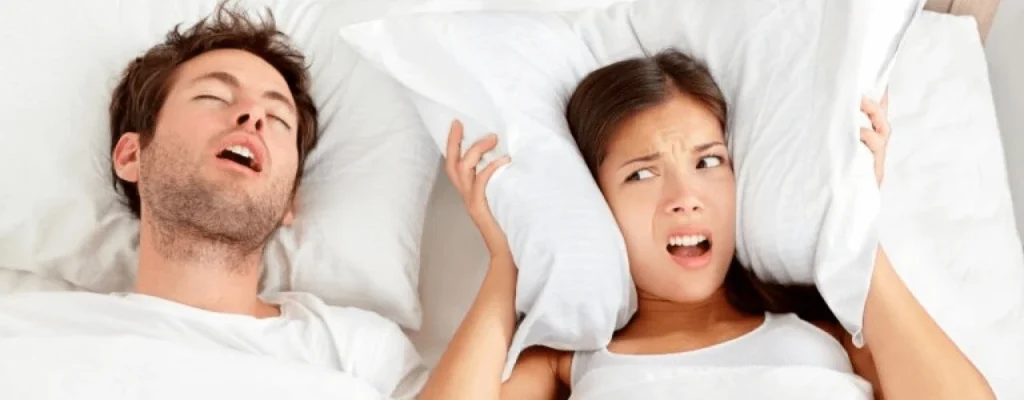
Snoring jokes land because they’re relatable. The not-funny part is what it does to a relationship. One person is frustrated. The other feels blamed for something they can’t “just stop.”
Sleep also affects how you show up at work. When your night is fragmented, your patience shrinks and your focus slips. That’s why the best plan is the one you’ll actually test, not the one that sounds perfect on social media.
Where an anti snoring mouthpiece fits (and where it doesn’t)
Snoring often happens when soft tissues relax and narrow the airway. For many people, jaw position and tongue position play a big role. A mouthpiece typically aims to keep the lower jaw slightly forward or stabilize the mouth so airflow stays smoother.
Good signs a mouthpiece may help
- Snoring is worse on your back.
- You wake with dry mouth (often from mouth breathing).
- Your partner reports steady snoring rather than repeated silence-and-gasp cycles.
- You notice snoring after travel, late nights, or stress spikes (when sleep gets lighter and more fragmented).
Signs you should think beyond “just snoring”
- Breathing pauses, choking, or gasping reported by a partner.
- Strong daytime sleepiness, morning headaches, or high blood pressure concerns.
- Snoring plus frequent nighttime bathroom trips or unexplained mood changes.
Those don’t diagnose anything. They do mean it’s smart to ask a clinician about sleep apnoea screening. Several recent articles have focused on the real-life impact of OSA symptoms and how easy it is to normalize feeling exhausted.
Practical steps: a no-drama way to test what works
You don’t need ten gadgets on your nightstand. Use a simple sequence, change one variable at a time, and give each change a fair trial.
Step 1: Set a baseline you can compare against
For three nights, note bedtime, alcohol intake, and sleep position. Record snoring with your phone if you can. Keep it basic. You’re looking for patterns, not perfection.
Step 2: Start with the easiest “sleep quality” wins
- Earlier wind-down: even 20 minutes can reduce the late-night scroll spiral.
- Side-sleep support: a pillow behind your back can reduce back-sleep time.
- Nasal comfort: if you’re congested, address dryness and irritants (without overdoing products).
These steps help whether or not you use a mouthpiece. They also make your results easier to interpret.
Step 3: Trial an anti snoring mouthpiece (the right way)
If your pattern points to jaw/tongue position, a mouthpiece can be a solid next test. Look for clear fitting instructions and a design that prioritizes comfort.
If you want an option that pairs jaw support with a strap approach, consider an anti snoring mouthpiece. That pairing can be helpful for people who open their mouth during sleep and wake up dry.
Step 4: Measure outcomes that matter
- Partner rating: “Did you wake up?” beats “I think it was quieter.”
- Your morning: sore throat, dry mouth, jaw tension, headache.
- Your day: focus, mood, and energy around mid-afternoon.
Give it at least a week if comfort is acceptable. One night is just one night, especially during travel weeks or stressful deadlines.
Safety and testing: don’t push through the wrong signals
Mouthpieces are not one-size-fits-all. Comfort is not a luxury here; it’s the difference between a useful trial and a wasted purchase.
Stop and reassess if you notice:
- Sharp jaw pain, tooth pain, or worsening headaches.
- New bite changes that persist into the day.
- Gum irritation or sores.
- Snoring improves but daytime sleepiness stays severe.
If you have TMJ issues, significant dental work, loose teeth, or gum disease, get dental guidance before using an oral device. If sleep apnoea is a concern, a clinician can help you choose the safest path.
FAQ: quick answers people are searching right now
Is it snoring or sleep apnoea?
Snoring can be harmless, but it can also be a sign of sleep-disordered breathing. Pauses, gasping, and heavy daytime sleepiness are common reasons to get evaluated.
Are “anti-snore belts” and chin straps legit?
They can help in specific cases, like positional snoring or mouth opening. They’re not universal fixes, and they won’t address every airway issue.
Do sleep trackers prove a mouthpiece works?
They can show trends, but they’re not medical tests. Pair tracker data with real outcomes: fewer wake-ups, better mornings, and partner feedback.
CTA: pick one next step and make it measurable
If snoring is affecting your sleep quality (or your relationship), choose one change you can stick with for 7–10 nights. Then compare results against your baseline. That’s how you avoid gadget-hopping and get to a real answer.
How do anti-snoring mouthpieces work?
Medical disclaimer: This article is for general education only and is not medical advice. It does not diagnose, treat, or cure any condition. If you suspect sleep apnoea, have significant daytime sleepiness, or experience choking/gasping at night, talk with a qualified clinician.