
Before you try an anti snoring mouthpiece, run this quick checklist.
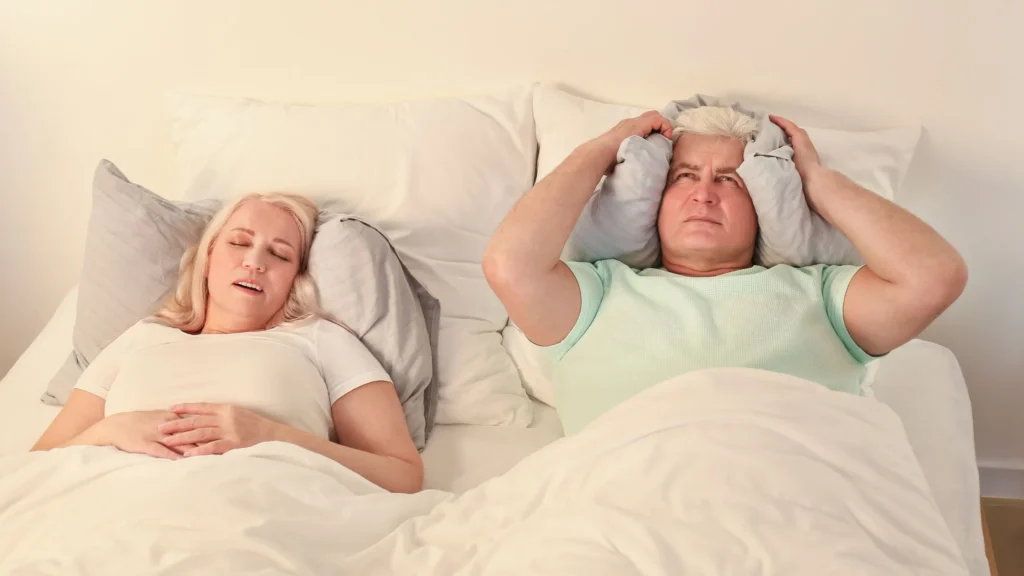
- Confirm the goal: fewer wake-ups, quieter nights, better next-day energy.
- Pick one change at a time: mouthpiece + basic sleep hygiene beats “five gadgets at once.”
- Decide your trial window: commit to 10–14 nights so you don’t quit on night two.
- Keep it simple: comfort, positioning, and cleanup matter as much as the device.
Overview: why snoring is trending again (and why you feel it)
Sleep talk is everywhere right now. People swap tips like they swap phone chargers: campus sleep hygiene reminders, wearable scores, and new bedtime gadgets that promise “instant recovery.” Add travel fatigue, daylight savings shifts, and workplace burnout, and it’s no surprise more households are negotiating bedtime like it’s a group project.
Snoring sits right in the middle of that cultural moment. It’s loud, it’s awkward, and it can chip away at sleep quality for both partners. The good news: you can build a straightforward plan that mixes routine and tools without turning your nightstand into a tech store.
If you want a general, mainstream refresher on sleep hygiene, see Snooze smarter with these Campus Health sleep hygiene tips. Keep expectations realistic and focus on consistency.
Timing: when to test changes so they actually stick
Timing is the difference between “this helped” and “I tried it once.” Start your trial on a normal week, not right after a red-eye flight or a late-night deadline sprint.
A simple schedule that fits real life
- Night 1–3: focus on fit and comfort. Don’t chase perfection.
- Night 4–10: track sleep quality signals (fewer awakenings, less dry mouth, partner feedback).
- Night 11–14: make one adjustment if needed (positioning, bedtime routine, or device comfort).
If daylight savings or a busy travel week hits, pause the experiment. Resume when your schedule stabilizes.
Supplies: what you’ll want on the nightstand
You don’t need a drawer full of products. You need a few basics that support comfort and cleanup.
- Your mouthpiece (and case if provided)
- Water for rinsing and hydration
- A soft toothbrush dedicated to the device
- Gentle soap or cleaner suitable for oral appliances
- Optional: a supportive pillow or side-sleep aid if you tend to roll onto your back
Skip stacking multiple “viral” fixes at the same time. Mouth tape, nose strips, special pillows, and apps can each change how you breathe or sleep. Test one variable so you know what worked.
Step-by-step (ICI): the comfort-first way to use an anti snoring mouthpiece
Use this ICI flow to keep things simple: Inspect, Comfort, Integrate. It’s quick, repeatable, and easier to stick with when you’re tired.
I — Inspect (30–60 seconds)
Look at the device before you put it in. Check for rough edges, cracks, or warping. If it looks damaged, don’t force it.
Rinse it with cool or lukewarm water. Hot water can distort some materials.
C — Comfort (2–5 minutes)
Seat the mouthpiece gently. Aim for “secure” rather than “tight.” A too-aggressive fit can lead to jaw soreness, drooling, or you ripping it out at 2 a.m.
- Jaw feel: you should be able to relax your face.
- Breathing: you should be able to breathe comfortably.
- Saliva: extra saliva early on can be normal; it often improves with consistency.
If your snoring is worse on your back, pair the mouthpiece with side-sleep positioning. Think of it like aligning a tent pole: airflow improves when everything is set up in the right direction.
I — Integrate (the rest of the night)
Now make the rest of your sleep setup boring. That’s a compliment.
- Dim lights 30–60 minutes before bed.
- Keep the room cool and quiet.
- Put your phone on charge out of arm’s reach.
If you wake up at night, avoid “fixing” the device in frustration. Take a sip of water, reset your jaw gently, and return to a comfortable position.
Mistakes that sabotage results (even with a good device)
1) Treating it like a one-night test
Your body needs repetition. One uncomfortable night doesn’t predict your long-term outcome.
2) Over-tightening for instant silence
Chasing zero snore can backfire. Comfort drives compliance, and compliance drives results.
3) Ignoring dry mouth, jaw pain, or bite changes
Those signals matter. If symptoms persist, stop and talk with a dental or medical professional.
4) Skipping cleanup
A quick wash helps reduce odor and buildup. It also makes the device more pleasant to wear, which increases the odds you’ll keep using it.
5) Assuming all snoring is “just snoring”
Snoring can be harmless, but it can also be a sign of sleep-disordered breathing. If there are breathing pauses, choking/gasping, or heavy daytime sleepiness, get evaluated.
FAQ: quick answers people ask right now
Can an anti snoring mouthpiece help with travel fatigue sleep?
It may help some people sleep more continuously when routines are disrupted. Still, travel can add congestion, alcohol, and odd sleep positions that make snoring worse.
What if my partner says I’m quieter but still not “silent”?
That can still be a win. Focus on fewer awakenings, better mood, and improved daytime energy, not perfection.
What’s a simple way to track sleep quality without obsessing?
Use three signals: how many times you woke up, how you feel at 10 a.m., and partner feedback on snoring volume. Keep notes for two weeks.
CTA: a practical option to consider
If you want a tool-based approach that also supports positioning, consider an anti snoring mouthpiece. The goal is a comfortable fit you can actually keep in all night.
How do anti-snoring mouthpieces work?
Medical disclaimer: This article is for general education only and is not medical advice. Snoring can have many causes, including sleep apnea. If you have loud chronic snoring, witnessed breathing pauses, choking/gasping, significant daytime sleepiness, or jaw/tooth pain with an oral device, seek guidance from a qualified clinician.