
On a red-eye flight, an exhausted traveler dozed off in the middle seat. Ten minutes later, the cabin soundtrack started: soft snorts, then a full rumble. The person in the aisle laughed, the person by the window sighed, and everyone pretended they weren’t listening.
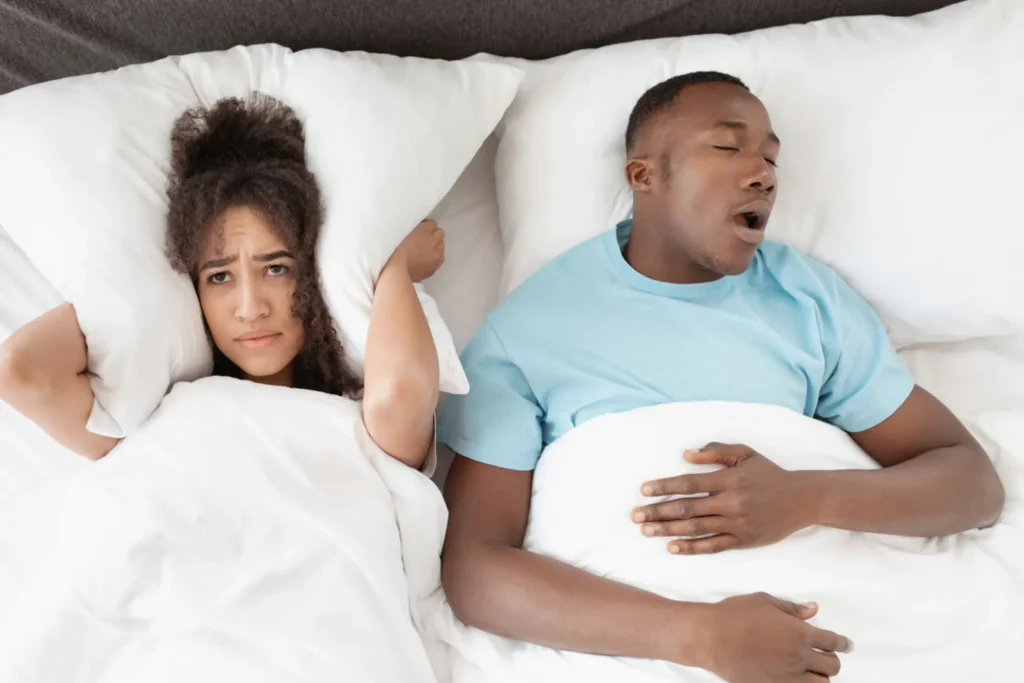
That same scene plays out at home. Snoring has become a running joke in relationships, but the conversation has shifted. People are connecting snoring to sleep quality, burnout, and long-term health—while also shopping for sleep gadgets that promise quieter nights.
The big picture: snoring isn’t only “noise”
Snoring often comes from airflow getting partially blocked as you sleep. That can happen when your jaw relaxes, your tongue falls back, or nasal breathing gets harder. Travel fatigue, alcohol, allergies, and sleeping on your back can all make it worse.
What’s getting more attention now is the overlap between snoring and sleep apnea risk. Some snorers simply vibrate. Others have breathing pauses that deserve medical screening. If you’re worried about the health side of snoring, read up on How to stop snoring: 7 tips from a board-certified physician and use it as motivation to take symptoms seriously.
The emotional part nobody posts: partners, meetings, and morning dread
Snoring is social. It can turn bedtime into negotiation, spark jokes that don’t feel funny, and push couples into “sleep divorce” on work nights. Even solo sleepers feel it when they wake up dry-mouthed, foggy, and already behind.
Workplace burnout doesn’t help. When stress rises, routines slip. People scroll later, drink more caffeine, and travel more. Then they chase fixes with wearables, white noise machines, nasal strips, and mouthpieces—sometimes all at once.
Practical steps first: quick wins before you buy anything
1) Change the position, not your personality
Back sleeping often worsens snoring. Side sleeping can reduce it for many people. If you’re testing changes, keep everything else stable for a few nights so you know what helped.
2) Reduce “temporary triggers”
Alcohol close to bedtime, congestion, and extreme exhaustion can all amplify snoring. If you just got back from a trip or you’re fighting a cold, your snoring may spike for a week. That doesn’t mean you need a permanent solution tomorrow.
3) Tighten your sleep window
Sleep quality improves when your schedule is predictable. Set a realistic lights-out time you can repeat most nights. Consistency can reduce fragmented sleep, which can make snoring feel worse for everyone.
Where an anti snoring mouthpiece fits (and what it actually does)
An anti snoring mouthpiece usually works by repositioning the lower jaw slightly forward to help keep the airway more open. This style is often called a mandibular advancement device. Some setups also support keeping the mouth closed, which can help if mouth-breathing is part of the problem.
The best candidates are often people with primary snoring or mild sleep-disordered breathing who can tolerate a device in the mouth. The biggest deal-breakers are comfort, fit, and whether symptoms suggest something more serious than snoring.
If you’re comparing options, look for a design that matches how you snore. For example, some people prefer a combined approach. Here’s a related option to explore: anti snoring mouthpiece.
Safety and screening: protect your health and document your choice
Screen for red flags before self-treating
Snoring plus certain symptoms should raise your urgency. Consider a clinician-led screening if you notice choking or gasping, witnessed breathing pauses, morning headaches, significant daytime sleepiness, or high blood pressure. If you drive for work, operate machinery, or feel drowsy behind the wheel, treat that as a priority.
Reduce infection and irritation risk
Mouthpieces touch saliva and sit against gums and teeth for hours. Clean the device as directed, let it fully dry, and store it in a ventilated case. Replace it if it cracks, warps, smells persistent, or irritates your mouth.
Also watch for jaw soreness, tooth pain, or bite changes. Mild temporary discomfort can happen during adaptation. Sharp pain or ongoing bite issues are a stop-and-check moment.
Make your test measurable (and defensible)
If you’re trying a mouthpiece, don’t rely on vibes. Keep a simple log for 10–14 nights:
- Snoring: partner rating or app trend (not perfect, but useful)
- Wake-ups: how many times you remember waking
- Morning symptoms: dry mouth, headache, jaw comfort
- Daytime function: sleepiness, focus, mood
This documentation helps you decide whether the device is worth continuing. It also helps if you later talk with a dentist or sleep specialist.
FAQs: fast answers people want right now
Can an anti snoring mouthpiece replace a medical evaluation?
No. If you have signs of sleep apnea or significant daytime sleepiness, get screened. A mouthpiece may still be part of a plan, but it shouldn’t delay evaluation.
What if my snoring is worse after travel?
Jet lag, dehydration, and sleeping on your back can all spike snoring. Try hydration, earlier wind-down, and side sleeping for a few nights before judging any device.
Do sleep trackers prove a mouthpiece worked?
They can show trends, but they aren’t diagnostic tools. Use them alongside how you feel and what your partner hears.
Call to action: make tonight quieter, but keep it smart
If snoring is dragging down your sleep quality, treat it like a real health habit—not a punchline. Start with simple changes, screen for red flags, and test any device with a short plan and clean handling.
How do anti-snoring mouthpieces work?
Medical disclaimer: This article is for general education only and is not medical advice. Snoring can have many causes, including sleep apnea. If you have concerning symptoms (gasping, breathing pauses, severe sleepiness, chest pain, or high blood pressure), seek evaluation from a qualified clinician.