
Myth: Snoring is just noise.
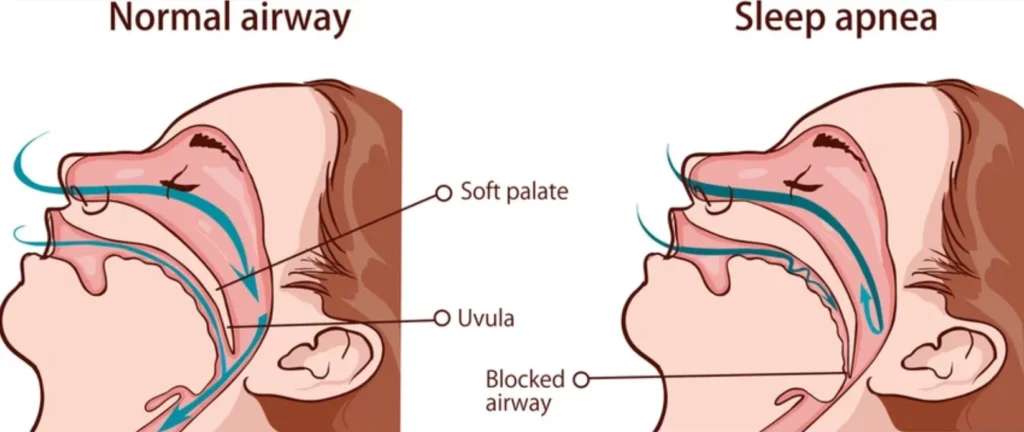
Reality: It can quietly crush sleep quality for two people at once. That matters more now, when sleep gadgets are trending, burnout is real, and even a short work trip can leave you feeling jet-lagged for days.
If you’re searching for an anti snoring mouthpiece, you’re not alone. Between wearable sleep scores, “sleep-optimized” routines, and headlines about new anti-snoring tech entering clinical trials, people want a fix that’s practical, not precious.
Why is everyone suddenly talking about snoring and sleep health?
Snoring used to be a punchline. Now it’s showing up in conversations about recovery, productivity, and relationship peace. When one person snores, the other person often becomes the sleep-deprived “light sleeper,” even if they never had sleep issues before.
Recent coverage has also pointed to research interest in new anti-snoring devices being tested more formally. If you want the broader context, see this update on New clinical trial will test innovative anti-snoring device to tackle sleep disruption.
Is snoring actually hurting sleep quality, or just annoying?
It can be both. The obvious problem is repeated awakenings for a partner. The less obvious issue is fragmented sleep for the snorer, especially if snoring is linked with unstable breathing.
Also, sleep has become a bigger health topic in general. You’ve probably seen headlines warning that certain nighttime habits can raise health risks even in younger adults. The takeaway is simple: don’t treat sleep like optional downtime.
What causes snoring in the first place?
Snoring usually happens when airflow gets turbulent as you sleep. Common contributors include sleep position, nasal congestion, alcohol close to bedtime, and anatomy that makes the airway more collapsible.
Travel fatigue can amplify it. Dry hotel air, a couple of drinks at dinner, and sleeping on your back can turn “sometimes” snoring into “every night” snoring.
What is an anti snoring mouthpiece, and what does it try to change?
An anti-snoring mouthpiece is typically designed to improve airflow by changing where your jaw or tongue sits during sleep. Many options are mandibular advancement-style devices that gently move the lower jaw forward. Others focus on stabilizing the tongue.
Translation: it’s a mechanical solution to a mechanical problem. That’s why mouthpieces keep coming up in “sleep gadget” conversations, right alongside nasal tools and bedroom upgrades.
How do I know if a mouthpiece is a smart first move?
Use a quick filter:
- Good fit for mouthpieces: snoring that’s worse on your back, snoring without major nasal blockage, and a partner who reports consistent loudness.
- Consider other steps first: heavy congestion or allergies that clearly drive the snoring. Nasal approaches may be worth testing because they’re easy to try.
- Don’t DIY around red flags: choking/gasping, witnessed pauses in breathing, or severe daytime sleepiness. Ask a clinician about sleep apnea screening.
Are nasal dilators a real alternative, or just hype?
Nasal dilators are popular because they’re low-effort and inexpensive. A recent systematic review and meta-analysis discussed nasal dilators in sleep-disordered breathing, which keeps them in the conversation.
Still, they mainly address nasal airflow. If your snoring comes from jaw/tongue position, a nasal tool may not move the needle much.
What should I look for when shopping for a mouthpiece?
Skip the complicated. Focus on these practical checkpoints:
- Comfort and adjustability: a device you can’t tolerate won’t get used.
- Material and build quality: avoid anything that feels flimsy or poorly finished.
- Jaw and dental considerations: if you have TMJ symptoms, loose teeth, or major dental work, get professional guidance before using one.
- Return options: fit is personal. A reasonable return policy reduces risk.
If you’re comparing categories and want a direct place to start, see these anti snoring mouthpiece and narrow it down by comfort and adjustability.
What are people doing right now besides mouthpieces?
In 2026, the pattern looks like this: people stack small changes. They track sleep with a wearable, buy a “smart” alarm, swap pillows, then realize the snoring is still the bottleneck.
Relationship humor shows up for a reason. Couples will debate separate blankets, white noise machines, and “who has to travel next week” like it’s a sport. A mouthpiece can be a calmer compromise than turning bedtime into a negotiation.
When should I talk to a clinician instead of buying another gadget?
Get medical advice if snoring comes with breathing pauses, gasping, morning headaches, high daytime sleepiness, or high blood pressure concerns. Those can be signs of sleep apnea or another sleep-related breathing disorder.
Also check in if a mouthpiece causes persistent jaw pain, tooth pain, or bite changes.
FAQ: quick answers before you decide
Is snoring worse during stressful weeks?
Often, yes. Stress can change sleep position, routines, and alcohol timing, which can all influence snoring.
Can I use a mouthpiece if I grind my teeth?
It depends on the device and your situation. Grinding can affect comfort and durability, so consider professional input.
Will improving sleep quality help workplace burnout?
Better sleep supports energy and mood. It won’t solve every cause of burnout, but it’s a high-leverage place to start.
Next step: pick one change you’ll actually keep
If snoring is the main reason your sleep scores are tanking, don’t get lost in endless “sleep hacks.” Choose one intervention, track results for a couple of weeks, and adjust.
How do anti-snoring mouthpieces work?
Medical disclaimer: This article is for general education only and is not medical advice. Snoring can have multiple causes, including sleep apnea. If you have concerning symptoms (breathing pauses, gasping, severe daytime sleepiness, chest pain, or persistent jaw/tooth pain), seek guidance from a qualified clinician.