
Snoring isn’t just noise. It’s a nightly negotiation between comfort, health, and the person trying to sleep next to you.
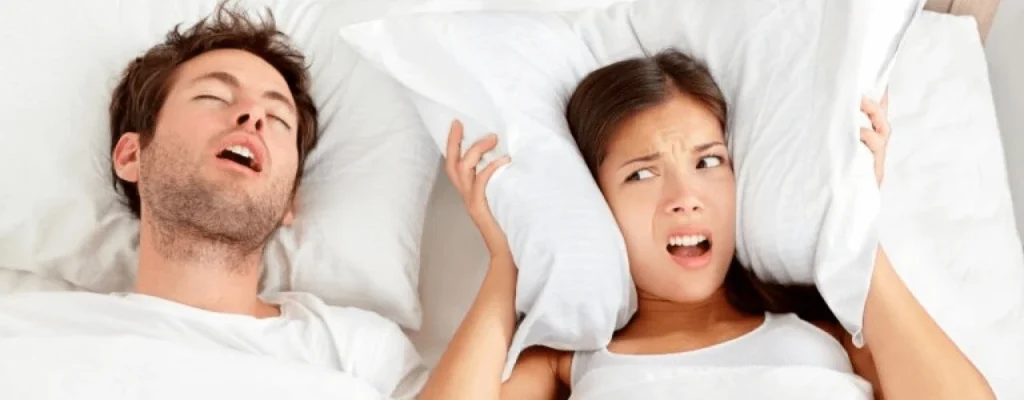
If you’ve been scrolling sleep gadget reviews at 1 a.m., you’re not alone. The interest spike makes sense when travel fatigue, workplace burnout, and “biohacking” trends collide.
Bottom line: better sleep often starts with identifying what’s driving the snore—then choosing the simplest tool that matches that cause.
What people are talking about right now (and why)
Sleep content is having a moment. You’ll see personal stories about how breathing-related sleep issues can quietly affect mood, focus, and daily life. You’ll also see roundups of anti-snore devices, from belts and chin straps to mouthpieces.
Another theme showing up in headlines: seemingly “small” nighttime choices may be linked to bigger health conversations. Articles sometimes frame this as a single mistake, but the practical takeaway is broader—sleep quality and breathing at night deserve attention even when you feel young and healthy.
And yes, relationship humor is part of it. Many couples are joking about “sleep divorces” (separate rooms) while also looking for fixes that don’t turn bedtime into a science project.
If you want the broader context behind that heart-risk style headline, here’s a related source: What I Wish I Knew: How Much OSA Symptoms Would Affect My Sleep and Daily Life.
What matters medically (without the panic)
Snoring happens when airflow is partially blocked and tissues vibrate. That blockage can be influenced by sleep position, nasal congestion, alcohol, sleep deprivation, and jaw or tongue placement.
The key distinction is simple snoring versus a sleep-related breathing disorder like obstructive sleep apnea (OSA). OSA can occur even when snoring is minimal, which is why daytime symptoms still count.
Signs your snoring may be more than “just snoring”
- Witnessed pauses in breathing, choking, or gasping
- Waking with headaches, dry mouth, or a racing heart
- Excessive daytime sleepiness, brain fog, or irritability
- High blood pressure or new/worsening cardiometabolic concerns
Medical note: this article is educational and not a diagnosis. If you suspect sleep apnea or have heart or breathing symptoms, a clinician should guide testing and treatment.
What you can try at home first (low drama, high signal)
Think of this as a short experiment, not a forever commitment. Run it like a two-week “sleep reset” so you can tell what’s actually working.
Step 1: Reduce the usual snore amplifiers
- Side-sleeping: Many people snore more on their back.
- Alcohol timing: Drinking close to bedtime can relax airway muscles.
- Nasal support: If congestion is a factor, consider basic nasal hygiene and discuss safe options with a pharmacist or clinician.
- Sleep debt: When you’re overtired, snoring can ramp up.
Step 2: Consider an anti snoring mouthpiece (when the fit makes sense)
An anti snoring mouthpiece is often used when jaw or tongue position contributes to airway narrowing. The goal is to improve airflow and reduce vibration. For some couples, that means fewer wake-ups and less resentment at breakfast.
If you’re comparing products, a combo approach can be appealing for mouth-breathers or people who notice snoring spikes when the mouth falls open. Here’s an example option to research: anti snoring mouthpiece.
Step 3: Track outcomes like a grown-up (not like a gadget ad)
Skip the obsession over perfect sleep scores. Instead, track three things: partner-reported snoring, your morning refresh level, and afternoon sleepiness.
If you travel a lot, note those nights separately. Jet lag, hotel pillows, and late dinners can skew results.
When it’s time to stop DIY and get help
Get evaluated if snoring is loud and frequent, if you have any red-flag symptoms, or if you’re relying on caffeine to function. Also seek help if a mouthpiece causes persistent jaw pain, tooth pain, or bite changes.
A clinician may recommend a sleep study (at home or in a lab) and discuss options that match your diagnosis and anatomy. That can include CPAP, oral appliances fitted by a dentist trained in dental sleep medicine, positional therapy, or other targeted approaches.
FAQ: quick answers people want before bed
Can stress make snoring worse?
Indirectly, yes. Stress can worsen sleep debt and increase alcohol use or late-night habits, which can increase snoring for some people.
What if my partner says I only snore on trips?
That’s common. Travel fatigue, back-sleeping in unfamiliar beds, and nasal dryness can all play a role.
Should we sleep in separate rooms?
Some couples do temporarily to protect sleep. The healthiest move is the one that reduces conflict while you work on a longer-term solution.
CTA: make tonight easier
If snoring is turning bedtime into a debate, start with one change you can keep. Then test one tool at a time.
How do anti-snoring mouthpieces work?
Medical disclaimer: This content is for general education only and does not replace medical advice. If you suspect sleep apnea, have significant daytime sleepiness, or have chest pain, shortness of breath, or concerning symptoms, seek care from a qualified clinician.