
- Snoring is trending again because sleep gadgets are everywhere, and people are tired of being tired.
- Sleep quality is the real goal, not just “being quieter.” Mood, focus, and patience show it.
- An anti snoring mouthpiece can be a practical step when snoring seems tied to jaw position or airflow.
- Not every viral fix is low-risk. If a trend sounds too simple, read the safety notes first.
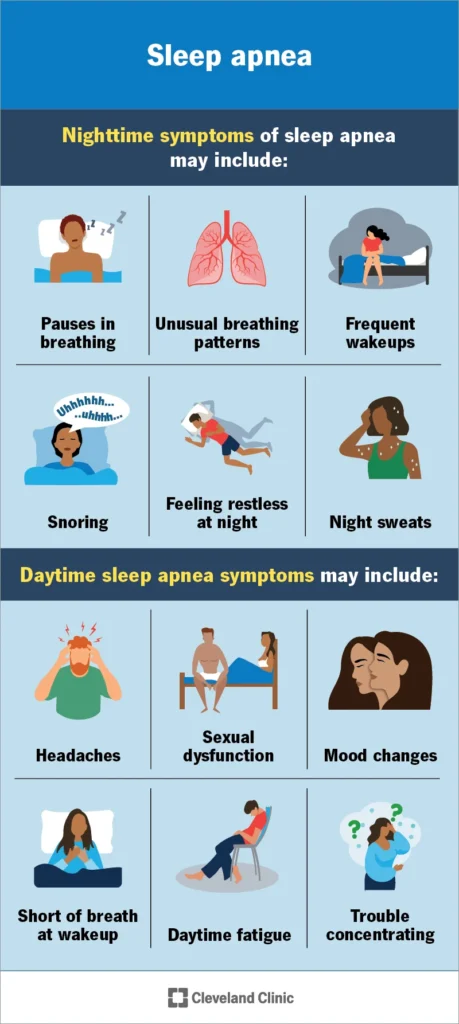
- If symptoms hint at sleep apnea, skip the guessing game and get evaluated.
Why does snoring feel like a bigger deal right now?
People are stacking stress: late-night screens, early meetings, and that “always on” work pace. Add travel fatigue, and your sleep can get fragile fast. Snoring becomes the loudest proof that something is off.
It’s also a relationship issue. The jokes about “sleep divorces” (separate bedrooms) keep popping up for a reason. When one person snores, both people can lose sleep, and nobody wins the morning.
What actually links snoring to poor sleep quality?
Snoring is noisy airflow. The sound often comes from soft tissues vibrating as air squeezes through. Even when you don’t fully wake up, your sleep can fragment.
That fragmentation can show up as brain fog, crankiness, and caffeine dependence. It can also look like “I slept eight hours, but I feel wrecked.”
When snoring might be more than a nuisance
Some patterns deserve extra caution. Think loud snoring with choking or gasping, noticeable breathing pauses, or heavy daytime sleepiness. If those show up, talk to a clinician and consider a sleep evaluation.
Which anti-snore gadgets are people talking about?
The current conversation is packed with devices: chin straps, belts, mouthpieces, apps, and wearable trackers. You’ll also see trend cycles that spike fast on social media, then fade when comfort or safety questions hit.
For broader context on one of the big trends, see this coverage on Mouth Tape for Sleep: Benefits, Risks, and How to Use It Safely. If you’re tempted by a quick fix, read the “who should avoid it” part first.
How does an anti snoring mouthpiece fit into sleep health?
An anti snoring mouthpiece is usually aimed at keeping the airway more open during sleep. Many designs focus on jaw position or tongue placement. The goal is less vibration, smoother airflow, and fewer sleep disruptions.
It’s not a magic wand. Fit, comfort, and the cause of your snoring matter. Still, for many households, it’s a straightforward experiment compared with a bedroom remodel or endless gadget-hopping.
Signs a mouthpiece may be worth trying
You might consider one if snoring is frequent, your partner reports it’s worse on your back, or you wake up with dry mouth and restless sleep. It can also make sense if you want a travel-friendly option that doesn’t require power or an app.
When to pause and get advice instead
If you have jaw pain, significant dental issues, or symptoms that suggest sleep apnea, don’t self-manage in silence. A clinician can help you choose safe options and rule out bigger problems.
Is mouth taping a safer alternative to a mouthpiece?
People bring up mouth taping because it sounds simple. The safety piece is the catch. If nasal breathing is not reliable due to congestion or anatomy, taping can be uncomfortable or risky.
A mouthpiece and mouth tape are not interchangeable. They aim at different mechanisms, and neither should be treated as a cure-all.
What should you look for in a mouthpiece so you don’t waste money?
Start with basics: comfort, a stable fit, and materials you can tolerate. If you clench or grind, that matters too. A device that hurts your jaw won’t last long enough to help your sleep.
Also think about your real life. If you travel often, you’ll want something easy to clean and pack. If you’re dealing with burnout, you’ll want something simple enough to use consistently.
A practical combo approach some people prefer
Snoring can involve mouth opening, jaw position, and sleep posture all at once. That’s why some shoppers look for bundles that address more than one factor. If you’re comparing options, here’s a related product page for an anti snoring mouthpiece.
How do you know if it’s helping your sleep quality?
Don’t rely on “it felt quieter.” Use simple signals: fewer nudges from your partner, fewer wake-ups, and better morning energy. If you track sleep, focus on trends over a week or two, not one perfect night.
Keep the goal realistic. You’re aiming for more stable sleep, not a flawless score in an app.
Common questions people ask before buying
Will this fix snoring forever? Sometimes it helps a lot, sometimes it helps a little, and sometimes it’s the wrong tool. Treat it as a trial with a clear “continue or stop” decision.
Is it awkward? The first nights can feel weird. That’s normal. Comfort is a real filter, not a minor detail.
What if my partner snores too? Solve it like a team. One person’s fix doesn’t automatically fix the room’s sleep quality.
Medical disclaimer
This article is for general education and does not provide medical advice, diagnosis, or treatment. If you suspect sleep apnea, have significant daytime sleepiness, or experience choking/gasping during sleep, seek care from a qualified clinician.