
On a red-eye flight, an anonymous traveler nods off for ten minutes. The seatmate starts snoring. A few rows back, someone scrolls sleep-tracker graphs like it’s a stock chart. By the time the plane lands, everyone is tired, a little annoyed, and quietly searching “snoring fix” before baggage claim.
That vibe is everywhere right now: sleep gadgets, burnout talk, relationship jokes about “who kept who up,” and a growing sense that sleep isn’t optional. Even conversations about kids’ routines keep circling back to one simple idea: sleep supports health the way the basics do—food, movement, and prevention. If snoring is the nightly spoiler, an anti snoring mouthpiece is one of the most common tools people try.
Overview: why snoring messes with sleep quality
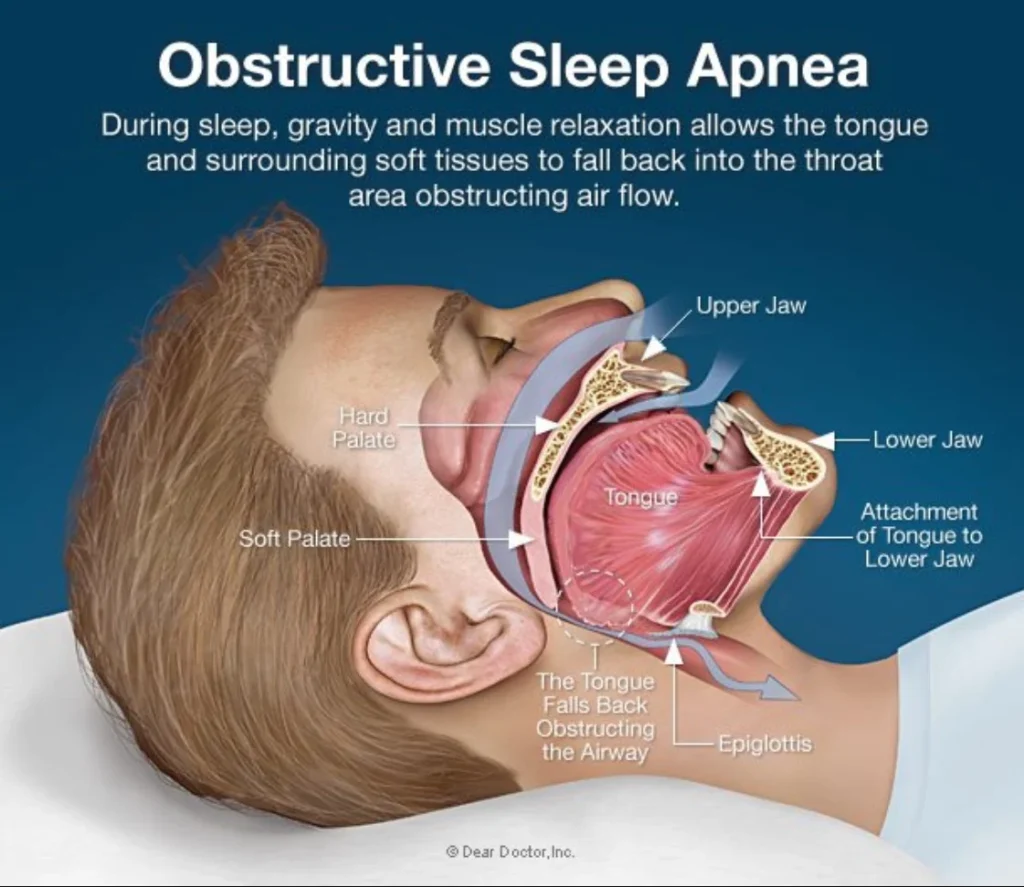
Snoring usually happens when airflow gets noisy as it moves through relaxed tissues in the throat. The sound is the headline, but the real problem is often the disruption. Snoring can fragment sleep, raise tension in the bedroom, and leave you feeling like you “slept” without actually recovering.
It also matters because snoring can overlap with sleep apnea for some people. Sleep apnea is a medical condition with symptoms and causes that deserve attention. If you suspect it, don’t self-manage forever—get evaluated.
For many adults, though, the goal is practical: reduce snoring enough to protect sleep quality, especially during high-stress weeks, travel fatigue, or when a partner is one more elbow away from moving to the couch.
Timing: when a mouthpiece makes the most sense
People tend to shop for solutions after a “bad run” of nights. That’s normal. Still, timing your approach helps you avoid random trial-and-error.
Try it when snoring is consistent (not just a one-off)
If you only snore after a late night, alcohol, or a cold, you may not need a nightly device. But if snoring shows up most nights, a mouthpiece becomes a reasonable next step.
Use a short test window
Give any new routine a fair shot. Pick a calm 1–2 week stretch when you’re not changing everything else at once. That means no brand-new pillow, no new sleep tracker, and no drastic schedule shift on the same week.
Know your “stop and check” signals
If you have loud snoring plus choking/gasping, witnessed breathing pauses, morning headaches, or heavy daytime sleepiness, move medical evaluation higher on the list. Mouthpieces can be helpful for snoring, but they’re not a substitute for care when apnea is possible.
Supplies: what you’ll want before night one
- The mouthpiece you plan to use (read the instructions first, not at 11:48 p.m.).
- A simple cleaning routine: mild soap and cool water are common basics. Avoid harsh heat unless the product specifically allows it.
- A storage case so it doesn’t end up on a nightstand collecting dust.
- A quick note system: phone notes work. Track snoring feedback, comfort, and morning jaw feel.
Some devices are designed to reposition the lower jaw forward (often called mandibular advancement devices). Sleep medicine groups have discussed advances in these designs over time, which is part of why they keep showing up in “best of” lists and gadget conversations.
Step-by-step: a simple setup you can actually follow
This is a plain-language flow for getting started without overcomplicating it.
1) Start with the goal: quieter airflow, better sleep
Don’t chase perfection. Aim for “improved enough” that you and your partner sleep more steadily.
2) Fit matters more than hype
Follow the manufacturer’s fitting directions closely. A mouthpiece that feels too loose won’t do much. One that feels too tight can create jaw or tooth discomfort.
3) Ease in over a few nights
Some people do better with a gradual ramp-up. Wear it for a short period before sleep for the first night or two if the instructions allow. Then transition to full-night use.
4) Pair it with two high-impact habits
- Side-sleep support: many snorers get louder on their back. A body pillow can help you stay on your side.
- Nasal breathing support: if congestion is a constant issue, address it safely and sensibly. If you can’t breathe through your nose, any mouth-based solution may struggle.
5) Recheck comfort in the morning
Take note of jaw stiffness, tooth soreness, dry mouth, or bite changes. Mild adjustment feelings can happen. Persistent pain is not a “push through it” situation.
Mistakes that make snoring solutions fail
Stacking too many changes at once
If you add a mouthpiece, a new mattress, magnesium, a sleep app, and a new bedtime, you won’t know what helped. Change one main variable first.
Ignoring partner feedback (or only using partner feedback)
Relationship humor aside, your partner’s sleep matters. Still, you also need to judge your own sleep quality: morning energy, fewer awakenings, and less dry mouth.
Assuming “snoring” is always the whole story
Snoring can be a clue. It can also be a red flag. If symptoms point toward sleep apnea, bring in a clinician rather than endlessly swapping gadgets.
Wearing it despite real jaw pain
Discomfort isn’t a badge of progress. If your jaw hurts, your teeth hurt, or your bite feels different for hours, pause and get guidance.
FAQ: quick answers people ask right now
Are mouthguards and anti-snoring mouthpieces the same?
Not always. Some products are designed for teeth grinding, while others aim to reduce snoring by changing jaw or tongue position. Check the intended use.
Can a mouthpiece help with travel fatigue sleep?
It might help if snoring is a big part of why sleep feels light or broken. Travel also adds dry air, odd schedules, and stress, so keep expectations realistic.
What’s the most “science-backed” sleep tip to pair with a mouthpiece?
Consistency helps. A steady sleep/wake schedule and a wind-down routine are common recommendations in expert roundups, even when trends change.
CTA: choose a practical next step
If you’re ready to compare options, start here: anti snoring mouthpiece. Keep your test window simple, track comfort, and aim for steady improvement.
If you want a quick read on sleep routines people discuss lately—especially around building better habits—see this related coverage: How to improve sleep habits in children: Doctor shares tips, says sleep is as important as nutrition and immunization for kids.
How do anti-snoring mouthpieces work?
Medical disclaimer: This article is for general education only and isn’t medical advice. Snoring can be linked to sleep apnea or other health issues. If you have breathing pauses, choking/gasping, significant daytime sleepiness, chest pain, or persistent symptoms, seek evaluation from a qualified clinician.