
At 2:13 a.m., the hotel room was quiet—until it wasn’t. One person asleep, one person staring at the ceiling, and a third “guest” doing most of the talking: snoring. By breakfast, the jokes started (“I didn’t know you brought a chainsaw”), but the mood was real. Nobody felt rested.
That’s the snoring problem right now. It’s showing up in relationship humor, in travel fatigue, and in workplace burnout conversations. People are buying sleep gadgets, tracking scores, and still waking up wrecked. If you want a practical path that doesn’t waste a pay cycle, start with the big picture, then move to targeted fixes—like an anti snoring mouthpiece when it fits.
Big picture: snoring is often an airflow + environment issue
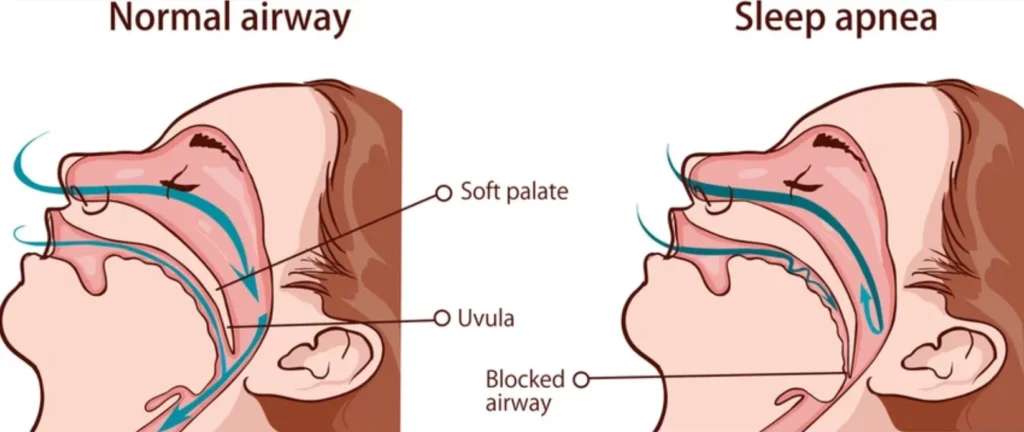
Snoring usually happens when airflow gets turbulent as you breathe during sleep. That turbulence can come from anatomy, sleep position, congestion, or plain-old bedroom conditions. Some recent lifestyle headlines have leaned into a simple idea: your bed setup can quietly push snoring in the wrong direction.
Think about what’s “invisible” at night. Dry air, dust, allergens, and nasal irritation can all stack the deck toward mouth breathing. And mouth breathing often makes snoring louder.
If you want a quick cultural-reference nod, this is the anti-glamour side of the sleep-tech boom. You can buy a new tracker, but if your nose is blocked and your jaw drops open, the score won’t save you.
A quick note on the “freezer” idea you’ve seen
You may have seen a headline hinting that help could be “in the freezer.” Without overpromising specifics, the general theme is this: small, low-cost comfort changes (temperature, humidity, bedding freshness) can sometimes reduce irritation and improve sleep. If you’re curious about that broader conversation, here’s a related reference: Your bed could be hiding the biggest causes of snoring, but help could be hidden in the freezer.
The emotional side: snoring isn’t just noise—it’s social friction
Snoring turns bedtime into negotiations. Couples start “joking” about separate rooms. Travelers dread sharing accommodations. People working night shifts or rotating schedules can feel extra fragile, because their sleep window is already limited.
That stress matters. When you expect a bad night, you often get one. The goal is to reduce the noise and protect sleep quality without turning your bedroom into a science fair.
Practical steps (budget-first): do these before you buy another gadget
Run this checklist for 7–10 nights. Keep it simple, and change one variable at a time so you know what helped.
1) Reset the “snore zone” (bedding + air)
- Wash what touches your face: pillowcases and sheets on a steady cadence.
- Check your pillow: too flat can kink your airway; too high can push your jaw back.
- Keep the air comfortable: many people sleep better with cooler temps and less dryness.
2) Try position changes that don’t cost anything
- Side sleeping often reduces snoring for people who snore more on their back.
- Head/neck alignment matters. Aim for “neutral,” not chin tucked.
3) Reduce mouth breathing triggers
If you’re stuffed up, you’re more likely to open your mouth. Addressing congestion (within your usual, safe routine) can change the whole night. If skin conditions or irritation flare at night, that can also disrupt sleep and increase restless breathing.
4) If your schedule is chaotic, protect your sleep window
Night shift and travel fatigue are everywhere in current health talk for a reason. A consistent wind-down, darker room, and a repeatable pre-sleep routine can help your body settle, even when the clock is weird.
Where an anti snoring mouthpiece fits (and why people keep searching for them)
If the basics don’t move the needle, a mouthpiece becomes a reasonable next step. The idea is straightforward: many anti-snoring mouthpieces are designed to support the jaw and/or tongue so the airway stays more open and airflow is less turbulent.
That can be appealing because it’s:
- Direct: it targets the mechanics of snoring, not just the sound.
- Portable: useful for travel, where snoring complaints peak.
- Often cheaper than a gadget ecosystem: no subscriptions, no charging cables.
If you’re comparing options, you may see combo approaches that also support keeping the mouth closed for habitual mouth-breathers. Here’s an example product category many shoppers look for: anti snoring mouthpiece.
Safety and testing: don’t ignore red flags
Snoring is common, but it isn’t always “just snoring.” Some patterns can point to sleep apnea, which is associated with breathing interruptions during sleep. If you notice loud snoring plus choking/gasping, witnessed pauses in breathing, morning headaches, or significant daytime sleepiness, talk with a clinician. Those symptoms deserve proper evaluation.
How to test changes without guessing
- Use a simple log: bedtime, wake time, how you feel, and whether snoring was reported.
- Trial one change at a time: pillow, position, bedroom air, then mouthpiece.
- Stop if pain shows up: jaw pain, tooth pain, or worsening sleep is a sign to reassess.
Medical disclaimer: This article is for general education and is not medical advice. It does not diagnose, treat, or replace care from a qualified clinician. If you suspect sleep apnea or have persistent symptoms, seek professional evaluation.
FAQ
Do anti-snoring mouthpieces work if I only snore when I’m tired or traveling?
They can, but travel adds extra triggers like dryness, congestion, and back-sleeping. Try the environment and position fixes first, then consider a mouthpiece for trips.
Is a “best of” list enough to pick the right mouthpiece?
Lists can narrow options, but fit and comfort matter most. Your goal is consistent use without jaw strain.
What if my partner says the snoring stopped but I still feel exhausted?
Snoring volume isn’t the same as sleep quality. Ongoing fatigue can have many causes, including sleep disorders. It’s worth discussing with a clinician.
Next step: get a clear answer fast
If you want to understand the basics before buying anything, start here: