
Is snoring “just annoying,” or a real sleep problem?
Are sleep hacks and gadgets enough to fix it?
Is an anti snoring mouthpiece worth trying before you spend bigger money?
For a lot of people, the answers look like this: snoring can wreck sleep quality (yours and your partner’s), routines help but don’t always solve airway noise, and a mouthpiece can be a practical next step when you want a budget-first experiment.
What people are trying right now (and why)
Sleep is having a cultural moment. You’ll see “tighten your routine” checklists, phone-free wind-down challenges, and a steady stream of new sleep gadgets. The vibe is the same everywhere: people want a quick fix that doesn’t require a full lifestyle overhaul.
That makes sense. Travel fatigue is real. So is workplace burnout. And if you share a bed, snoring can turn into relationship comedy—until it isn’t funny at 3:12 a.m.
Trend #1: Routine “rules” that simplify nights
Simple routine frameworks are popular because they feel doable. They also reduce decision fatigue. If your bedtime has become a messy mix of scrolling, late snacks, and last-minute emails, structure can help.
Trend #2: “Natural” moves for breathing and sleep quality
Many people start with basics: side sleeping, weight management, nasal breathing support, and cutting back on alcohol close to bedtime. These can reduce snoring for some people, especially when snoring is situational.
Trend #3: Oral appliances and connected care
Oral appliances are getting more attention, including newer options that connect into broader care systems. If you want a general reference point on that trend, here’s a relevant search-style link: Improve Your Sleep Routine With This 10-3-2-1-0 Hack Tonight.
What matters medically (without the hype)
Snoring happens when airflow makes soft tissues in the upper airway vibrate. It often gets worse when your airway narrows. Back sleeping, alcohol, congestion, and certain anatomy can all contribute.
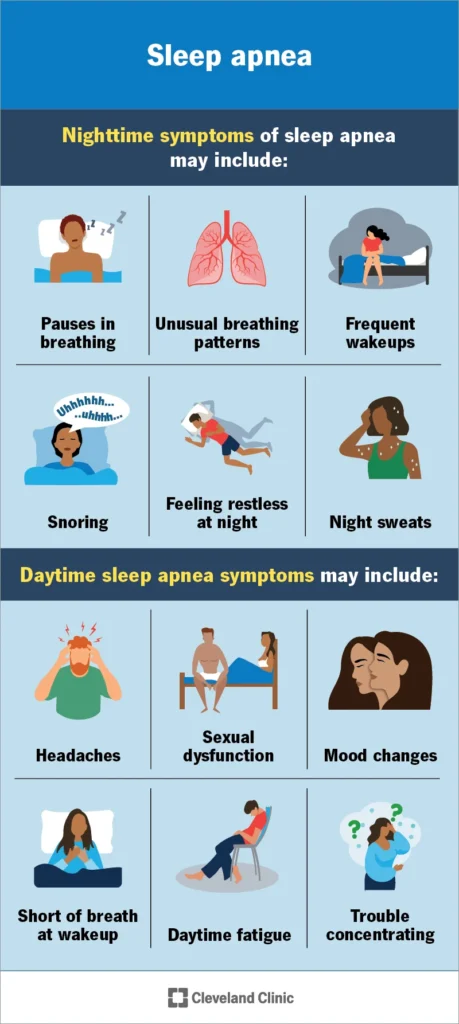
Here’s the key: snoring isn’t the same thing as sleep apnea. Obstructive sleep apnea involves repeated breathing interruptions during sleep. It can show up as loud snoring, choking or gasping, and next-day exhaustion.
Medical note: If you suspect sleep apnea, don’t self-treat only with gadgets. A proper evaluation matters because untreated sleep apnea can affect long-term health.
Where an anti snoring mouthpiece fits
Many anti-snoring mouthpieces are designed to support the jaw and keep the airway more open during sleep. When the airway stays less collapsible, vibration can drop. That often means less noise and fewer wake-ups.
This is not a guarantee, and it’s not a replacement for clinical treatment when sleep apnea is present. Still, it’s a reasonable, practical trial for straightforward snoring—especially if your goal is better sleep quality fast, without overspending.
How to try improvements at home (without wasting a cycle)
If you want a simple plan, run this like a two-week experiment. Keep it boring. Boring is how you learn what works.
Step 1: Pick one routine change you’ll actually do
Choose a single lever: consistent bedtime, less late caffeine, or a screen cutoff. Don’t stack five changes at once. You won’t know what helped.
Step 2: Reduce the “snore amplifiers”
- Back sleeping: Try side sleeping support (pillow positioning or a simple positional cue).
- Alcohol close to bedtime: If you drink, pull it earlier in the evening.
- Nasal congestion: Address stuffiness with non-medicated basics (like humidified air). If you use medication, follow label directions and consider clinician guidance.
Step 3: Test a mouthpiece the smart way
If you’re shopping, look for anti snoring mouthpiece that clearly explain fit, materials, and who should not use them.
Then set your expectations:
- Give it several nights to adapt, not one night.
- Track outcomes: snoring volume (partner feedback), wake-ups, morning jaw comfort, and daytime energy.
- Stop if you get sharp jaw pain, tooth pain, or bite changes that don’t resolve.
Step 4: Measure sleep quality, not just snoring
Less noise is nice. Better sleep is the goal. Watch for fewer awakenings, less dry mouth, and improved alertness. If snoring drops but you still feel wrecked, that’s a signal to look deeper.
When it’s time to get help (don’t delay these)
Don’t brush off these red flags:
- Loud snoring most nights, especially with witnessed pauses
- Choking or gasping during sleep
- Excessive daytime sleepiness or dozing off easily
- Morning headaches, mood changes, or concentration problems
- High blood pressure or heart risk factors alongside snoring
If any of these fit, talk with a clinician or a sleep specialist. You may need a sleep study and a targeted plan.
FAQ
Can an anti snoring mouthpiece help if I only snore sometimes?
Yes, especially if your snoring spikes with back sleeping, alcohol, congestion, or travel fatigue. Treat it like a short trial and track changes.
What’s the difference between snoring and sleep apnea?
Snoring is vibration noise. Sleep apnea involves repeated breathing disruptions and can impact oxygen and health.
Are mouthpieces uncomfortable?
They can feel strange at first. Mild soreness may happen early on. Persistent pain is not normal—stop and get guidance.
Do “sleep hacks” replace a mouthpiece?
They can improve sleep quality, but they don’t always change airway mechanics. Many people need both: a better routine plus a targeted snoring tool.
When should I talk to a clinician about snoring?
If you have choking/gasping, heavy daytime sleepiness, witnessed breathing pauses, or high blood pressure, get evaluated for sleep apnea.
CTA: Make your next step simple
If you want a practical, budget-first way to test whether jaw positioning can reduce snoring, start here:
How do anti-snoring mouthpieces work?
Medical disclaimer: This article is for general information only and is not medical advice. It does not diagnose, treat, or replace care from a qualified clinician. If you suspect sleep apnea or have severe symptoms, seek professional evaluation.