
- Snoring isn’t just “noise”—it can be a sleep-quality problem for you and everyone within earshot.
- Sleep gadgets are trending, but the best choice is the one you’ll actually use consistently.
- An anti snoring mouthpiece can be a practical first step for many people with simple snoring.
- Travel fatigue and burnout can turn mild snoring into a nightly issue, especially when routines fall apart.
- Safety matters: loud snoring plus daytime sleepiness or gasping can signal sleep apnea and deserves a check-in.
The big picture: why snoring feels louder right now
Snoring has become a dinner-table topic again, partly because sleep is having a cultural moment. People are comparing trackers, smart alarms, mouth tapes, and every “biohack” that promises deeper rest. Add a busy travel season and workplace burnout, and it’s no surprise that more couples are joking (and not joking) about who’s getting kicked to the couch.
Recent chatter about mouthpieces—like the kind you see in consumer-style review coverage—has pushed a simple question back into the spotlight: does a mouthpiece actually help, or is it another bedside gadget collecting dust?
For many snorers, the answer is: it can help, if you pick the right style and use it the right way. But it’s not a one-size fix, and it shouldn’t mask warning signs of a bigger issue.
What snoring does to sleep quality
Even when the snorer “sleeps through it,” snoring can fragment sleep. Micro-arousals (brief wake-ups you may not remember) can reduce restorative sleep. Your bed partner may get the worst of it, which is why snoring often becomes a relationship problem before it becomes a health conversation.
The emotional side: relationships, embarrassment, and the 2 a.m. negotiations
Snoring carries baggage. People worry they’re annoying, unattractive, or “broken.” Partners may feel guilty for complaining, then resentful for losing sleep. It’s a classic loop.
Try reframing it as a shared sleep project. The goal isn’t to “win” the argument. It’s to protect sleep quality for both of you.
Humor helps, too. A playful “snore score” can open the door to a real plan, especially when travel, late nights, or stress clearly make it worse.
Practical steps: what to do first (before you buy another gadget)
Step 1: notice your pattern for one week
Keep it simple. Track three things: sleep position, alcohol or late meals, and nasal congestion. Many people snore more on their back, after drinks, or when stuffed up from allergies or a cold.
Step 2: tidy up the easy levers
These aren’t magic, but they’re high value:
- Side sleeping (a pillow change can be enough for some people).
- Earlier last drink/meal if you notice a clear snoring spike.
- Address nasal blockage with gentle, non-prescription approaches you tolerate well.
- Consistent bedtime when burnout has you crashing at random hours.
If you’ve seen general wellness articles about “natural ways” to ease obstructive sleep apnea symptoms, treat them as supportive habits—not as a substitute for evaluation if symptoms are serious.
Step 3: consider an anti snoring mouthpiece when snoring is the main issue
Mouthpieces are popular because they’re portable, relatively affordable, and don’t require power. They’re also getting more attention in consumer-style review cycles, which is why you may be seeing more “does it really work?” headlines.
To explore options, start with a clear category: mandibular advancement devices (MADs) are designed to gently bring the lower jaw forward, which may help keep the airway more open in some people. Other designs focus on tongue positioning.
If you’re comparing products, you can review anti snoring mouthpiece and look for fit, comfort, adjustability, and clear usage guidance.
Safety and testing: how to try a mouthpiece without guessing
Set expectations for the first 14 nights
Many people need an adjustment period. Mild drooling, tooth pressure, or jaw soreness can happen early on. Those issues should improve as you adapt. If pain is sharp, worsening, or persistent, stop and talk with a dental professional.
Use a simple “does it help?” scorecard
- Partner report: fewer awakenings, less volume, less frequency.
- Your morning: less dry mouth, fewer headaches, more refreshed.
- Your day: less sleepiness, better focus.
Keep the test fair. Don’t change five other things at the same time, or you won’t know what worked.
Know the red flags (don’t self-treat these away)
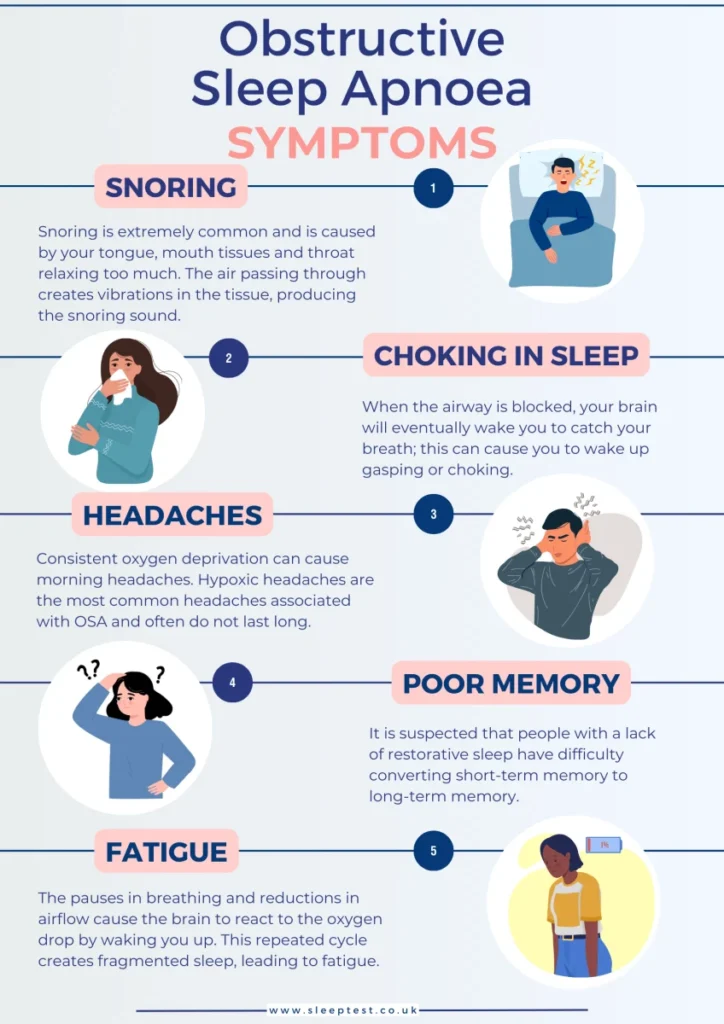
Snoring can coexist with obstructive sleep apnea. General medical references describe symptoms like loud snoring, gasping or choking at night, and excessive daytime sleepiness as reasons to seek evaluation. If those fit you, a clinician can help you decide on testing and the safest treatment path.
Want a quick read on what people are reviewing?
If you’re curious about the broader conversation around specific mouthpiece reviews, scan coverage like SleepZee Reviews (Consumer Reports) Does This Anti-Snoring Mouthpiece Really Work?. Use it as context, then decide based on your symptoms and comfort needs.
Medical disclaimer (quick but important)
This article is for general education and does not provide medical advice, diagnosis, or treatment. If you suspect sleep apnea, have significant daytime sleepiness, wake up gasping, or have ongoing jaw/tooth pain with a device, talk with a qualified clinician or dentist.
FAQs
Do anti-snoring mouthpieces work for everyone?
No. They often help simple snoring, but results vary by anatomy and whether sleep apnea is involved.
What’s the difference between snoring and sleep apnea?
Snoring is noise from vibration in the airway. Sleep apnea involves repeated breathing interruptions and needs medical evaluation.
How long does it take to get used to a mouthpiece?
Many people adjust within a few nights to a couple of weeks. Mild jaw or tooth soreness can happen early on.
Can a mouthpiece replace a CPAP?
Sometimes an oral appliance is prescribed for certain cases, but you should not replace CPAP without clinician guidance.
What if my partner says my snoring is worse after travel?
Travel fatigue, alcohol, congestion, and sleeping on your back can all worsen snoring. Resetting routines and addressing nasal blockage may help.
CTA: make the next step easy
If snoring is cutting into your sleep quality, start with a short, structured trial. Choose a device you can tolerate, track results, and stay alert for red flags.