
Before you try an anti snoring mouthpiece, run this quick checklist:
- Confirm the problem: Is it simple snoring, or are there signs of sleep apnea (gasping, pauses, heavy daytime sleepiness)?
- Check the basics: Alcohol near bedtime, nasal congestion, and back-sleeping can all amplify noise.
- Talk it through: If you share a bed, agree on a plan before resentment becomes the routine.
- Pick one change at a time: Stacking gadgets makes it hard to know what worked.
The big picture: why snoring feels louder lately
Snoring isn’t new. What’s new is how many people are tracking sleep, comparing scores, and buying sleep gadgets like they’re phone upgrades. Add travel fatigue, late-night screens, and a packed calendar, and small breathing issues can feel like a crisis.
Sleep quality also shows up everywhere now. It’s in workplace burnout conversations, in relationship jokes, and in group chats about “who kept who up.” When you’re already drained, even mild snoring can tip the night from “okay” to “I can’t do this.”
The emotional side: when the snoring stops, but the distance stays
One of the trickiest parts isn’t the sound. It’s what the sound represents. Snoring can become the nightly proof that nobody is resting, nobody is patient, and tomorrow will be harder.
Even after you find a fix, some couples keep sleeping apart. Sometimes it’s habit. Sometimes it’s self-protection after months of broken nights. If that’s you, treat it like a repair project, not a failure. Rebuilding “shared sleep” can take time.
Try a low-drama script: “I miss sleeping next to you, and I also need rest. Can we test a plan for two weeks and reassess?” A plan lowers the temperature. It also keeps the issue from turning into a character critique.
Practical steps: where an anti snoring mouthpiece fits
An anti snoring mouthpiece is designed to support airflow by influencing jaw or tongue position during sleep. For many snorers, that’s the main issue: tissues relax, the airway narrows, and vibration makes noise.
Step 1: Reduce the “easy amplifiers” first
Before you add gear, remove the common multipliers. Nasal stuffiness, dehydration, and alcohol close to bedtime can make snoring more likely and louder. Back-sleeping can also worsen it for some people.
If you travel often, build a mini routine that works in hotels: consistent bedtime, hydration, and a simple wind-down. Travel fatigue makes your sleep lighter, so snoring feels even more disruptive.
Step 2: Decide if a mouthpiece is the next logical move
A mouthpiece can be a practical middle step when lifestyle tweaks aren’t enough. It’s also appealing because it’s small, portable, and doesn’t require a charging cable. That matters when you’re already tired of “optimizing” everything.
If your partner says the snoring is worst when you’re on your back, or after a stressful week, a mouthpiece may still help. Stress can change sleep depth and muscle tone. It can also make you clench, so comfort becomes important.
Step 3: Consider a combo approach if mouth-breathing is part of it
Some people snore louder when their mouth drops open. That can dry out the throat and increase vibration noise. In those cases, pairing support can be useful.
If you’re comparing options, see this anti snoring mouthpiece as a category to research. The goal is simple: a setup you can actually tolerate at 2 a.m.
Safety and testing: how to try a mouthpiece without guessing
Give your test a start and end date. Two weeks is long enough to learn fit, comfort, and whether anyone sleeps better. It also prevents the “we tried it once” spiral.
Use these success markers (not just volume)
- Fewer wake-ups: You stay asleep longer.
- Better mornings: Less dry mouth, fewer headaches, less grogginess.
- Partner feedback: Not perfection—just fewer nudges and fewer midnight relocations.
Know when to stop and get checked
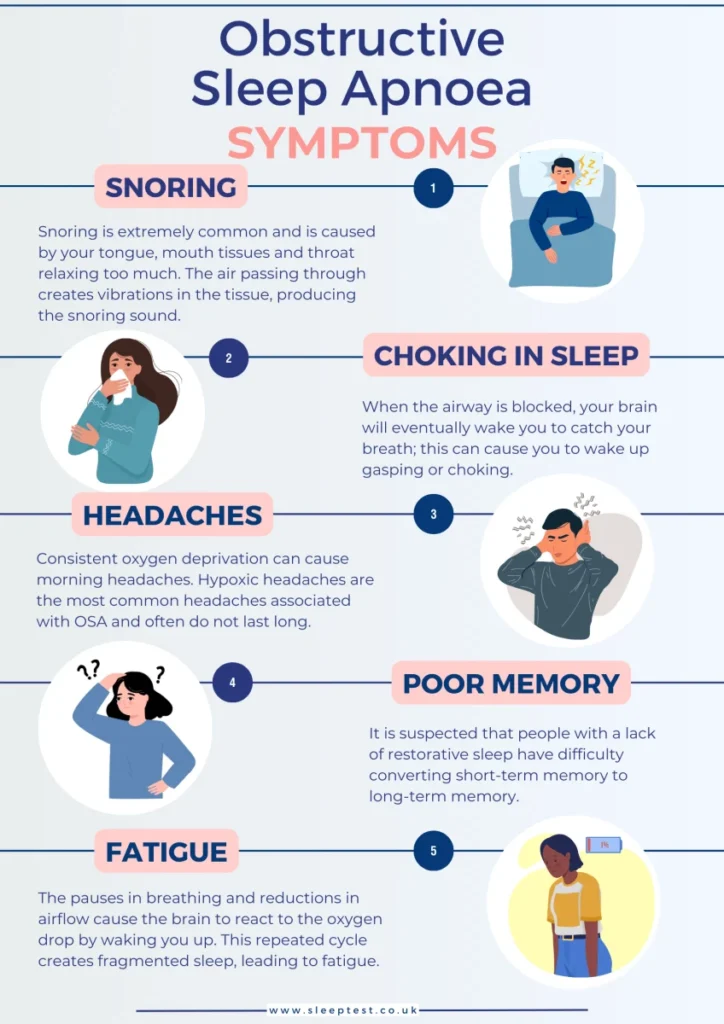
Snoring can overlap with sleep apnea, which is a medical condition. If you notice choking/gasping, witnessed breathing pauses, high daytime sleepiness, or high blood pressure concerns, prioritize a medical evaluation.
Also pause if you develop jaw pain, tooth pain, or bite changes. Those are signals to reassess fit and consider professional guidance.
A note on CPAP and “why am I still snoring?”
Some people use CPAP and still hear snoring or breathing noise. That can relate to mask fit, mouth leaks, nasal blockage, or settings that need review. If that’s your situation, this search-style resource can help you frame questions for your clinician: Still Snoring With a CPAP Machine?.
FAQ: quick answers people want right now
What’s the difference between snoring and sleep apnea?
Snoring is sound from vibration in the airway. Sleep apnea involves repeated breathing disruptions and can affect health. You can have one without the other, but they can overlap.
Do nasal sprays “fix” snoring?
If congestion is a driver, improving nasal airflow may help. For anything beyond simple stuffiness, talk with a clinician, especially for children.
Will a mouthpiece feel weird?
Yes at first for many people. The key is whether discomfort fades with adaptation. Persistent pain is a stop sign, not a “push through it” moment.
CTA: make this a plan, not a nightly argument
If snoring has become the third person in your relationship, you’re not alone. Pick one approach, test it, and track what changes. The goal is calmer nights and fewer negotiations at bedtime.
How do anti-snoring mouthpieces work?
Medical disclaimer: This article is for general education and does not provide medical advice or diagnosis. If you suspect sleep apnea or have persistent symptoms, consult a qualified healthcare professional.