
Before you try anything: run this quick checklist. It saves time, money, and a few awkward morning conversations.
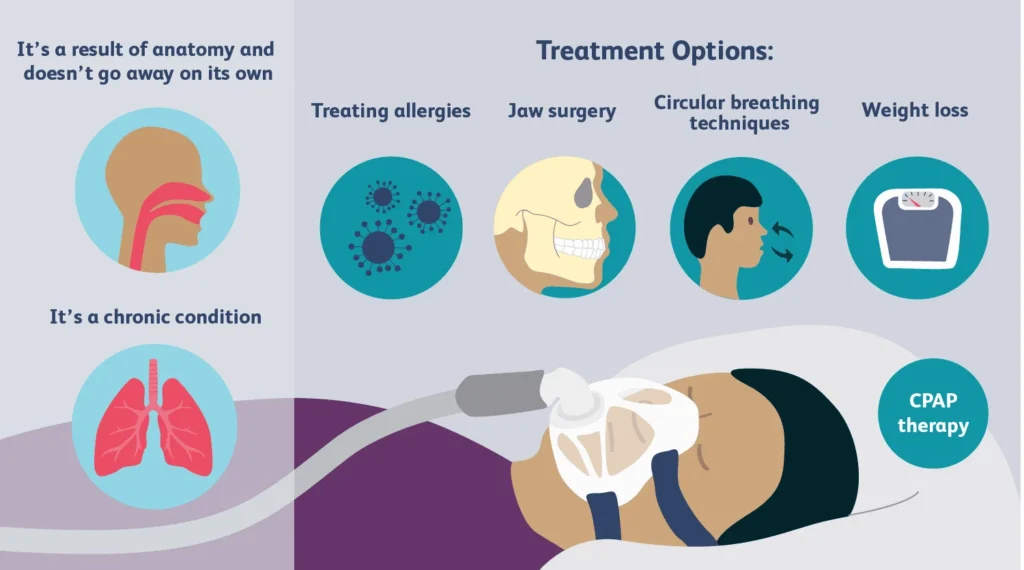
- Track the pattern: is it every night, or mostly after alcohol, travel, or late meals?
- Check the “morning tells”: dry mouth, headaches, sore throat, or feeling unrefreshed.
- Ask the roommate/partner for one data point: steady rumble vs. stop-and-start snorts.
- Decide your goal: quieter nights, better sleep quality, or both.
- Know the red flags: choking/gasping, witnessed breathing pauses, or major daytime sleepiness.
Overview: why snoring feels like a bigger deal right now
Snoring isn’t just a “funny” relationship problem anymore. It shows up in the same conversations as burnout, wearable sleep scores, and the growing pile of bedside gadgets. When your calendar is packed and your phone keeps buzzing, sleep becomes the one thing you can’t afford to lose.
That’s why anti-snoring solutions keep trending. People want a fix that doesn’t require a full bedroom overhaul or a nightly negotiation. A well-chosen anti snoring mouthpiece can be one of the simplest options to test at home.
Timing: when to work on snoring (and when to stop “lingering” in bed)
A common modern routine goes like this: you wake up tired, hit snooze, then stay in bed longer to “make up for it.” But lingering can leave you feeling foggy and can push your schedule later, which makes the next morning harder. Many sleep writers have been talking about waking more comfortably by focusing on consistency instead of extra bed time.
For snoring, timing matters in a different way too. Late alcohol, heavy meals, and travel fatigue can all make nights louder. If you’re constantly crossing time zones or sleeping in unfamiliar hotels, your snoring baseline may shift. Plan your testing during a relatively normal week so you can tell what’s working.
Supplies: what you need for a realistic at-home test
- A simple tracker: notes app, calendar, or a sleep app that records sound.
- A partner-friendly signal: agree on a 1–10 “snore impact” rating to avoid arguments at 2 a.m.
- Basic sleep setup: water at bedside, nasal strips if congestion is common, and a supportive pillow.
- The right device: a mouthpiece designed for snoring (not a random sports guard).
If you want to explore a combined option, here’s a relevant product page for an anti snoring mouthpiece.
Step-by-step (ICI): Identify → Choose → Implement
1) Identify your likely snoring triggers
Snoring usually comes from vibration as air moves through a narrowed airway. The “why” varies. Some people snore more on their back. Others notice it with nasal congestion, stress, or after a few drinks. If you only change one thing, you’ll learn faster.
Write down three items for the last week: bedtime, alcohol timing (if any), and whether you traveled or worked late. This is your baseline.
2) Choose a strategy you can actually stick with
Sleep trends come and go. You’ll see mouth taping debates, new wearables, and every kind of “smart” pillow. The best strategy is the one you’ll use consistently without turning bedtime into a project.
A mouthpiece is popular because it’s direct: it aims to improve airflow by changing how your jaw and tongue sit during sleep. That can reduce the vibration that creates snoring for some people.
Important: snoring can also overlap with sleep apnea. If you’re unsure, read up on Staying in bed longer is actually bad for you: Here is how to wake up comfortably and talk with a clinician if red flags show up.
3) Implement with a two-week test (not a one-night verdict)
Night one is mostly about comfort. Night two is about fit. By the end of week one, you’re looking for a trend: fewer wake-ups, fewer complaints, and a calmer morning.
Use this simple two-week scorecard:
- Snoring impact: 1–10 (partner/roommate or app estimate)
- Morning feel: 1–10 (energy and mood)
- Comfort: 1–10 (jaw soreness, dryness, irritation)
If the scores improve but comfort is poor, you may need a different fit style. If comfort is fine but snoring is unchanged, you may be dealing with a trigger the device doesn’t address.
Mistakes that keep the snoring cycle going
Turning it into a nightly argument
Snoring is loud, but the emotional part gets louder. The snorer may feel judged. The listener feels ignored. Agree on a plan in daylight, not during a midnight elbow jab.
Expecting “more time in bed” to fix exhaustion
If you’re waking up unrefreshed, extra bed time doesn’t always help. A steadier wake time and a calmer wind-down can improve how you feel, even before snoring fully resolves.
Ignoring travel fatigue and burnout
Workplace stress and travel can make sleep lighter and more fragmented. That can make snoring seem worse because everyone is already on edge. During high-stress weeks, focus on basics: consistent wake time, less late alcohol, and a simpler bedtime routine.
Missing the “this might be medical” signs
Snoring alone can be benign. Snoring plus choking/gasping, breathing pauses, or significant daytime sleepiness deserves a medical conversation. It’s not about panic. It’s about getting the right kind of help.
FAQ
Do anti-snoring mouthpieces help sleep quality?
They can, especially if snoring is waking you or your partner. Better sleep quality usually shows up as fewer awakenings and improved morning energy.
What if I only snore sometimes?
That’s common. Test on your “typical” nights first, then watch what happens on trigger nights like travel, late meals, or alcohol.
Can I combine a mouthpiece with other habits?
Yes. Side sleeping, managing congestion, and reducing late-night alcohol often pair well with a mouthpiece approach.
CTA: pick the next step that reduces stress for both of you
You don’t need a drawer full of gadgets to make progress. Pick one plan, track it for two weeks, and keep the conversation calm and specific. Quiet nights are a relationship win, not a personal failing.
How do anti-snoring mouthpieces work?
Medical disclaimer: This article is for general education only and isn’t medical advice. Snoring can be associated with sleep disorders, including sleep apnea. If you have choking/gasping, witnessed breathing pauses, chest pain, severe daytime sleepiness, or concerns about your breathing during sleep, seek evaluation from a qualified clinician.