
- Snoring isn’t just noise—it can fragment sleep and leave both partners irritable.
- Sleep “rules” are trending, but consistency and comfort usually beat perfection.
- Gadgets are everywhere, and anti-snoring devices are getting fresh attention in research.
- An anti snoring mouthpiece can be a practical middle step before you escalate to more involved options.
- The relationship fix is real: a plan + communication beats nightly resentment.
What people are talking about right now (and why it matters)
Sleep content is having a moment. Between wearable scores, “sleep ratio” challenges, and travel fatigue posts, it’s easy to feel like you’re failing bedtime. Add workplace burnout and a snoring partner, and suddenly sleep becomes a nightly negotiation.
Health outlets are also highlighting how skin conditions can affect sleep quality. The takeaway is broader than any one condition: discomfort, itch, congestion, stress, and heat can all make sleep lighter. When sleep gets lighter, snoring often becomes a bigger issue—because both people wake more easily.
Meanwhile, anti-snoring tech keeps evolving. There’s ongoing interest in clinical research testing new devices aimed at sleep disruption. That buzz pushes more people to ask a simple question: “Do mouthpieces actually help, or is this another drawer gadget?”
What matters medically: snoring, sleep quality, and real risk
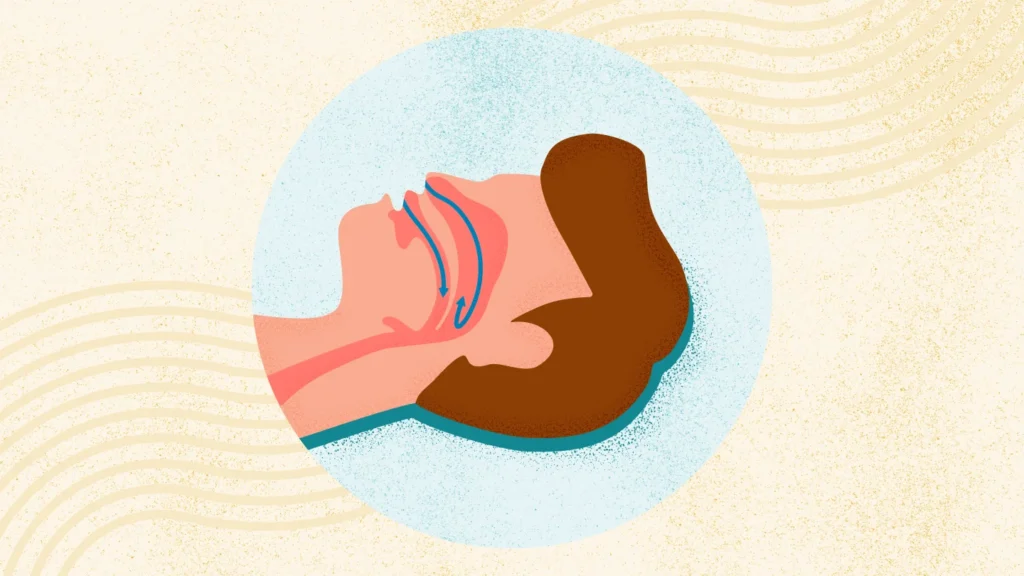
Snoring happens when airflow meets resistance and tissues vibrate. That resistance can come from nasal blockage, soft palate relaxation, tongue position, or jaw posture. Alcohol, allergies, weight changes, and sleeping on your back can all make it worse.
Snoring also overlaps with obstructive sleep apnea (OSA), but they are not identical. OSA involves repeated breathing interruptions, oxygen drops, and sleep fragmentation. If you snore loudly and also have choking/gasping, morning headaches, high blood pressure, or strong daytime sleepiness, treat that as a medical screening issue—not a “try another gadget” issue.
You may also see headlines linking nighttime habits to heart risk in younger adults. The specifics vary, but the broader point is consistent: sleep and cardiovascular health are connected. If your sleep is chronically short or disrupted, it’s worth taking seriously.
Medical disclaimer: This article is for general education only and isn’t a diagnosis or a substitute for professional care. If you suspect sleep apnea or have concerning symptoms, talk with a qualified clinician.
How to try at home (without turning your bedroom into a lab)
Step 1: Do a quick “snore pattern” check
Before buying anything, get clarity. Ask your partner what they notice: position (back vs side), timing (all night vs late night), and intensity (light purr vs wall-rattle). If you sleep alone, use a basic recording app for a few nights. You’re not chasing perfect data; you’re looking for patterns.
Step 2: Try the low-effort changes first
These are boring, which is why they work:
- Side-sleeping (a body pillow helps).
- Reduce alcohol near bedtime, especially if snoring spikes on those nights.
- Clear the nose: manage allergies, consider a saline rinse, and keep the room comfortably humid.
- Keep bedtime steady during stressful weeks and after travel. Jet lag + burnout is a snoring amplifier.
Step 3: Where an anti snoring mouthpiece fits
An anti snoring mouthpiece (often called an oral appliance or mandibular advancement device) typically aims to hold the lower jaw slightly forward. That can help keep the airway more open for some people. It’s a popular option because it’s small, travel-friendly, and doesn’t require a machine.
If you’re comparing options, start with comfort and adjustability. You want something you can actually wear for a full night, not a “two-hour hero” that ends up on the nightstand.
To explore common features and types, you can review anti snoring mouthpiece and use it as a checklist for fit, materials, and ease of cleaning.
Step 4: Make it a two-person plan (yes, really)
Snoring is a relationship stressor because it feels personal, even when it isn’t. Try a simple script: “We’re both losing sleep. Let’s test one change for 10 nights and re-check.” Pick one intervention at a time so you know what helped.
When to stop DIY and get help
Move from home experiments to professional guidance if any of these show up:
- Pauses in breathing, choking/gasping, or witnessed apnea
- Strong daytime sleepiness, drowsy driving risk, or concentration problems
- High blood pressure or new heart-related concerns
- Jaw pain, tooth pain, or headaches after trying an oral device
- Snoring that is sudden, dramatically worse, or paired with other new symptoms
Also consider help if you’ve tried multiple fixes and your sleep still feels unrefreshing. The goal isn’t “quiet.” The goal is stable, restorative sleep.
Quick reality-check links (for the trend-curious)
If you want to see what’s being discussed in the broader sleep news cycle—especially around device research and sleep disruption—browse Tips for Better Sleep With Psoriasis. Use it for context, not for self-diagnosis.
FAQ
Do anti-snoring mouthpieces help with sleep quality?
They can, if your snoring is reduced enough to prevent micro-awakenings for you or your partner. Better sleep quality often shows up as fewer wake-ups and improved morning energy.
What if my partner says the snoring moved from loud to “weird breathing”?
That’s a reason to pause and consider a sleep evaluation. Unusual breathing patterns, choking, or long quiet pauses can point to sleep apnea.
Can stress and burnout make snoring worse?
Indirectly, yes. Stress can worsen sleep depth and consistency, and it can increase alcohol use or late-night eating—both common snoring triggers.
Are mouthpieces safe to use nightly?
Many people use them regularly, but comfort and dental/jaw health matter. If you develop jaw pain, tooth movement concerns, or headaches, stop and seek dental or medical advice.
CTA: pick one next step tonight
If you want a simple starting point, focus on a mouthpiece that’s designed for comfort and consistent use—then test it for a set window (like 10 nights) while keeping everything else steady.