
Five fast takeaways (read this first):
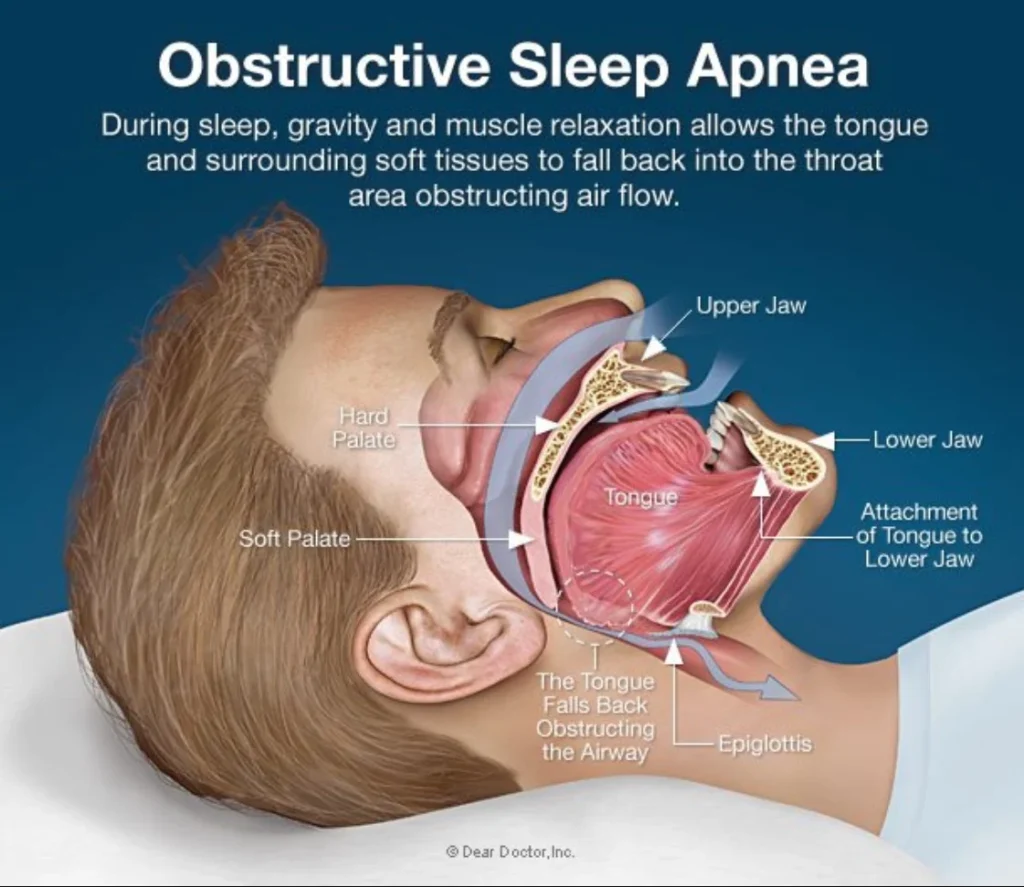
- Snoring isn’t just “noise.” It can signal poor sleep quality and, in some people, a bigger breathing issue.
- Sleep trends are loud right now. Wearables, smart rings, and travel recovery hacks are everywhere—yet basics still win.
- Relationships feel it first. Snoring can turn bedtime into a negotiation, not a wind-down.
- An anti snoring mouthpiece is a practical tool. Fit and consistency matter more than hype.
- Red flags deserve a real check. Gasping, pauses, or extreme daytime sleepiness shouldn’t be brushed off.
Overview: why snoring is trending beyond “annoying”
Snoring used to be a punchline. Now it shows up in sleep-health conversations alongside cognitive performance, burnout, and heart health. That shift makes sense. People are tracking sleep scores, chasing focus at work, and trying to recover from constant travel fatigue.
In real life, the pressure is simple: one person can’t sleep, and the other person can’t stop snoring. The result is less rest, more tension, and a bedroom that feels like a customer support desk.
If you want a general read on the bigger health conversation, see Obstructive Sleep Apnea, Cognitive Health, and Mental Performance.
Timing: when to act (tonight) vs when to get evaluated
Act tonight if the goal is fewer disruptions and a calmer bedroom. That includes simple positioning changes, limiting alcohol close to bedtime, and testing a device like an anti snoring mouthpiece.
Get evaluated soon if snoring comes with warning signs. Think: witnessed breathing pauses, choking or gasping, frequent morning headaches, or heavy daytime sleepiness. If a partner says you “stop breathing,” treat that as useful data, not criticism.
Relationship tip: pick a neutral time to talk. Not at 2:17 a.m. Not during the “you woke me up again” moment. A five-minute daytime plan beats a midnight argument every time.
Supplies: what you need for a mouthpiece trial
- A mouthpiece that matches your needs. Some designs reposition the jaw; others focus on keeping the mouth closed.
- A mirror + good lighting. You’re checking fit and comfort, not guessing.
- A simple cleaning routine. Mild soap, cool water, and a storage case help keep it consistent.
- A shared “sleep agreement.” Decide what success looks like: fewer wake-ups, less noise, or fewer couch nights.
If you’re comparing options, here’s a relevant product-style query to start with: anti snoring mouthpiece.
Step-by-step (ICI): Inspect → Customize → Integrate
1) Inspect: figure out your snoring pattern
You don’t need a lab to start learning. Ask two questions: Do you mostly snore on your back? Do you wake with a dry mouth? Back-sleeping and mouth-breathing often point to airway positioning and airflow issues that a mouthpiece may help address.
Use your phone audio for a few nights if it helps the conversation. Keep it low-drama. The goal is pattern recognition, not evidence for a trial.
2) Customize: focus on fit, not force
Follow the product instructions exactly. A mouthpiece should feel secure, but it shouldn’t feel like a vise. If you wake with jaw soreness that ramps up over days, treat that as a sign to reassess fit or approach.
Give your body time to adapt. Start with shorter wear periods before going all night, if the product guidance allows.
3) Integrate: make it part of your sleep system
People love new sleep gadgets. The problem is consistency. Pair the mouthpiece with two basics: a stable bedtime window and a wind-down that lowers stress (dim lights, fewer late emails, less doomscrolling).
Also, plan for travel. Hotel pillows, red-eye flights, and unfamiliar rooms can worsen snoring. Pack the case, keep it clean, and protect your routine where you can.
Mistakes that waste money (and patience)
- Chasing “perfect” overnight. Expect improvement, not instant silence.
- Ignoring jaw or tooth pain. Discomfort that persists is a stop-and-rethink signal.
- Using it as a substitute for evaluation. If apnea is suspected, a device is not a diagnosis.
- Letting resentment build. Snoring feels personal at night. It usually isn’t. Make it a shared problem with a shared plan.
- Over-relying on sleep scores. Wearables can guide habits, but how you feel during the day still matters.
FAQ: quick answers people are asking right now
Is snoring always a sign of sleep apnea?
No. But loud, frequent snoring plus choking/gasping, witnessed pauses, or severe daytime sleepiness should be checked.
Can a mouthpiece help mental performance?
Better sleep continuity can support next-day focus. If breathing disruptions are involved, evaluation matters because untreated issues can keep sleep fragmented.
What if my partner is the one snoring?
Lead with teamwork: “Let’s test a few options for two weeks and see what changes.” Avoid blame language when everyone is tired.
CTA: start a calmer, quieter trial
If snoring is messing with sleep quality and your relationship vibe, a structured trial beats random fixes. Choose one change, track it for 10–14 nights, and adjust based on comfort and results.
How do anti-snoring mouthpieces work?
Medical disclaimer: This article is for general information only and is not medical advice. Snoring can have many causes. If you suspect obstructive sleep apnea or have symptoms like choking/gasping, witnessed breathing pauses, or significant daytime sleepiness, seek evaluation from a qualified clinician.