
- Snoring is a sleep-quality problem, not just a noise problem.
- Burnout makes it worse: stress, irregular schedules, and travel fatigue all stack the odds against good sleep.
- Sleep gadgets are trending, but basics still win: position, routines, and breathing.
- An anti snoring mouthpiece can be a practical middle step between “do nothing” and heavy-duty interventions.
- Red flags matter: loud snoring plus choking, gasping, or daytime sleepiness deserves medical attention.
Big picture: why snoring is suddenly everyone’s business
Snoring used to be a punchline. Now it’s part of the broader conversation about sleep health, wearable trackers, and the “why am I still tired?” era. People are comparing scores from rings and watches, testing white-noise machines, and packing sleep masks like they’re essential travel documents.
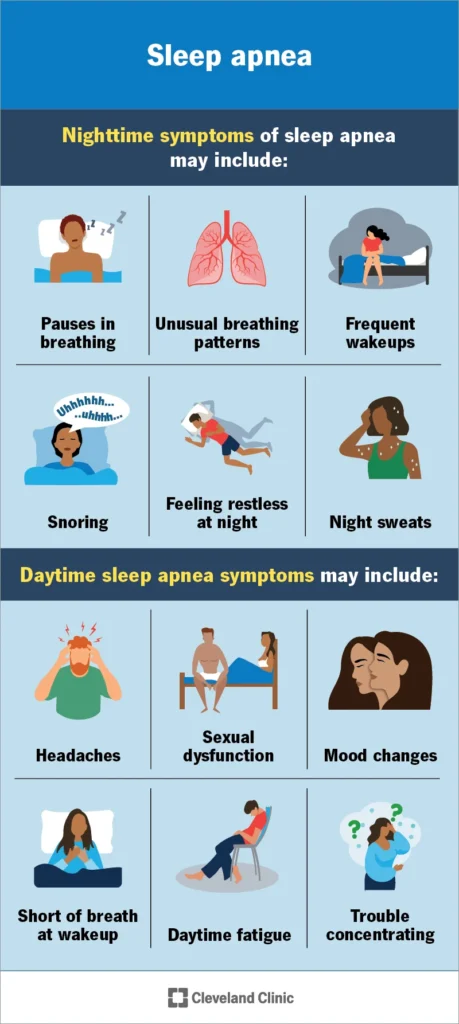
There’s also more community-level education around sleep breathing issues and access to care. If you’ve seen local efforts focused on sleep apnea awareness and treatment availability, that’s part of the same shift: people want better rest, and they want clear next steps.
If you want a general read on that community-education angle, see this related coverage: Sleep Better Columbus Strengthens Community Education and Access to Sleep Apnea Treatment Across the Columbus, Ohio Area.
The emotional part no one puts in the product description
Snoring doesn’t just interrupt sleep. It creates a nightly negotiation: who gets the “good pillow,” who moves to the couch, and who feels guilty the next morning. Over time, that can turn into resentment that looks like a relationship issue, even when it’s really a sleep issue.
Workplace burnout adds fuel. When you’re already running on low battery, any sleep disruption hits harder. The same goes for travel fatigue. One late flight, two hotel nights, and suddenly snoring feels louder and sleep feels thinner.
Here’s the helpful reframe: treat snoring like a shared household problem, not a personal flaw. That changes the tone of the conversation fast.
Practical steps: where a mouthpiece fits (and where it doesn’t)
Start with the “low-effort, high-return” checks
Before you buy anything, collect a few nights of clues. Try recording audio, noting sleep position, and tracking alcohol or congestion. You’re looking for patterns, not perfection.
Common snoring multipliers include back-sleeping, nasal blockage, and late-night drinking. Irregular bedtimes can also make snoring feel worse because your sleep becomes lighter and more fragmented.
What an anti snoring mouthpiece is trying to do
Most anti-snoring mouthpieces aim to keep the airway more open during sleep. Many do this by gently positioning the lower jaw forward (often called a mandibular advancement style). Others focus on stabilizing the tongue.
When snoring is primarily about airway narrowing from relaxed tissues and jaw position, a mouthpiece can be a solid, non-electronic option. That’s one reason they keep popping up in “best device” roundups and buyer guides.
How to choose without getting lost in gadget hype
Today’s sleep market is crowded. You’ll see apps, smart pillows, and “anti-snore” everything. Keep your decision simple:
- Match the tool to the likely cause. Mouthpieces are for airway support, not for fixing insomnia or stress.
- Prioritize fit and comfort. If it’s painful, you won’t wear it.
- Plan a trial window. Give it time, then judge based on sleep quality and partner feedback.
If you’re comparing options, this guide to a anti snoring mouthpiece is a useful place to start.
Safety and testing: do this like an adult, not like a dare
Watch for apnea warning signs
Snoring can be benign, but it can also show up alongside obstructive sleep apnea. Consider a professional evaluation if you notice choking/gasping, witnessed breathing pauses, morning headaches, or persistent daytime sleepiness.
Do a comfort and jaw check-in
Jaw soreness, tooth pain, or bite changes are not “powering through” moments. They’re signals to pause and reassess fit or approach. If you have TMJ issues, talk with a dental professional before committing to nightly use.
Set a simple scorecard for two weeks
- Partner impact: fewer wake-ups, less nudging, less frustration.
- Your sleep: fewer awakenings, better morning energy.
- Comfort: manageable adaptation, no worsening jaw symptoms.
This keeps you out of the endless “maybe it helped?” loop.
FAQ
Do anti-snoring mouthpieces work for everyone?
No. They help some people, but not all. Snoring has multiple causes, and a mouthpiece is only one approach.
What’s the difference between a mouthpiece and a CPAP?
A mouthpiece repositions the jaw or stabilizes the tongue. CPAP is a medical device that delivers pressurized air and is commonly used for diagnosed sleep apnea.
How long does it take to adapt?
Expect an adjustment period. Many people notice early drooling or mild soreness that improves with consistent use.
Is loud snoring always sleep apnea?
No, but it can be. If you see classic symptoms like gasping or breathing pauses, get evaluated.
Can a mouthpiece damage teeth or the jaw?
It can if it fits poorly or aggravates TMJ. Stop if you develop persistent pain or bite changes.
Next step: make snoring a solvable problem
If snoring is stealing your sleep (and your partner’s patience), you don’t need another random gadget. You need a clear, testable plan. Start with basics, then consider a mouthpiece if the pattern fits.
How do anti-snoring mouthpieces work?
Medical disclaimer: This article is for general education only and isn’t medical advice. Snoring can have different causes, including sleep apnea. If you have symptoms like choking/gasping, breathing pauses, chest pain, severe daytime sleepiness, or jaw pain with oral devices, seek guidance from a qualified clinician or dental professional.