
Snoring has a way of turning one bad night into a bad week.
It shows up after travel, during stressful work sprints, or right when you finally try that new sleep gadget everyone’s talking about.
If you want a no-drama, budget-friendly next step, an anti snoring mouthpiece can be worth testing—if you choose it carefully and watch for red flags.
The big picture: why snoring is suddenly everywhere
Sleep has become a full-on “life admin” category. People track it, optimize it, and talk about it at the office like it’s a productivity tool.
At the same time, more shoppers are looking at anti-snoring devices and mouthpieces, including in European markets. That doesn’t prove any one product works. It does show how common the problem is, and how many people want an at-home solution that doesn’t waste a month.
Snoring isn’t just noise—sleep quality takes the hit
Even when the snorer feels “fine,” the bed partner may get fragmented sleep. That can snowball into irritability, low energy, and the kind of relationship humor that’s funny until it isn’t.
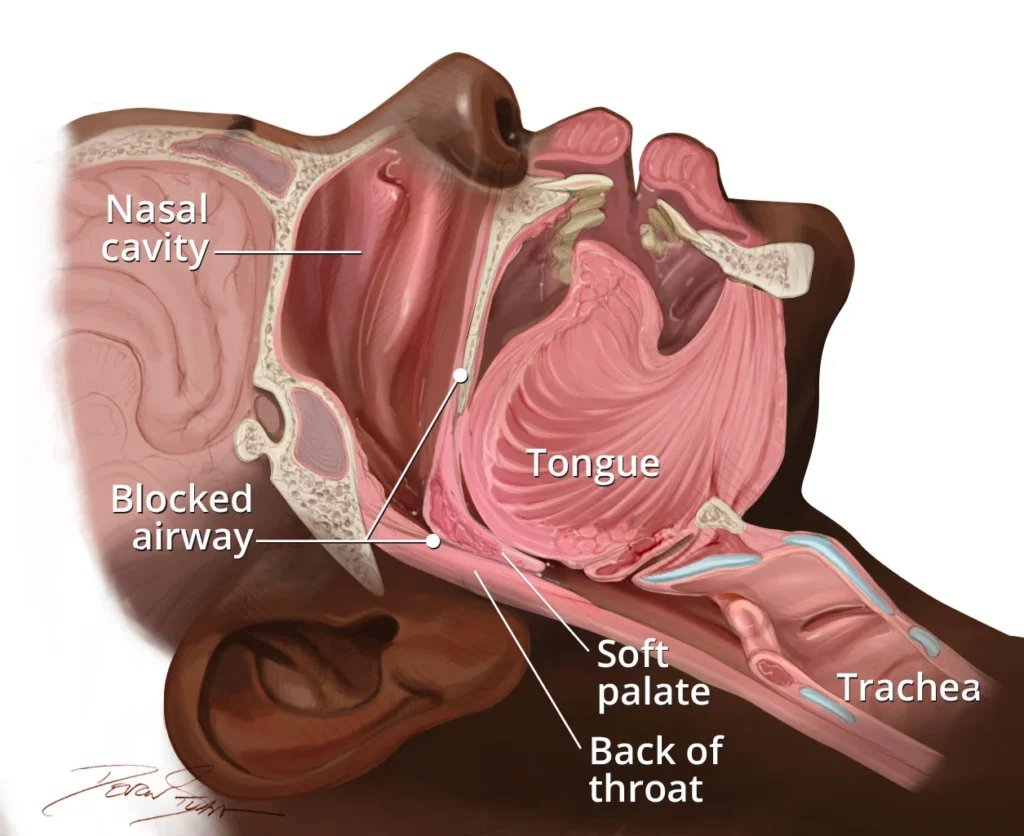
Snoring can also be a signal that airflow is restricted during sleep. Sometimes it’s simple and positional. Other times it’s more serious.
Important trend to know: apnea isn’t always loud
A key point showing up in recent sleep coverage: you can have sleep apnea even if you don’t snore. If you’re chasing better sleep and nothing adds up, keep that possibility on the table.
For a general overview of that idea, see this related read: Europe Anti-snoring Device Market Size and Forecast 2025–2033.
The emotional side: sleep is personal (and shared)
Snoring isn’t just a health topic. It’s a “who’s sleeping where tonight?” topic.
Travel fatigue can make it worse. So can burnout, alcohol close to bedtime, or a stuffed nose from seasonal allergies. When you’re already tired, it’s easy to buy the first gadget that promises silence.
A better approach is kinder to your budget and your relationship: test one change at a time, for a short window, and keep the goal simple—more restful nights, fewer interruptions.
Practical steps: a no-waste way to try a mouthpiece
If you’re considering an anti snoring mouthpiece, treat it like a small home experiment. You’re looking for a noticeable improvement, not perfection on night one.
Step 1: figure out what you’re trying to fix
- Mostly back-sleeping snoring: positional changes may help, and a mouthpiece may help some people.
- Mouth-breathing or dry mouth: look at nasal congestion and sleep environment too.
- Choking/gasping, morning headaches, heavy daytime sleepiness: don’t self-experiment for long—get evaluated.
Step 2: choose the category that matches your comfort level
Most anti-snoring mouthpieces fall into two buckets:
- Mandibular advancement devices (MADs): gently position the lower jaw forward.
- Tongue-retaining devices (TRDs): help keep the tongue from falling back.
Many people start with a mouthpiece because it’s a one-time purchase and doesn’t require charging, apps, or subscriptions.
Step 3: set a simple test plan (7–14 nights)
- Baseline first: track 3–7 nights of “normal” snoring with a phone app and/or partner notes.
- Use the mouthpiece consistently: skipping nights makes results fuzzy.
- Watch the right outcomes: fewer wake-ups, less partner disturbance, better morning energy.
If you want to compare styles and features before buying, start here: anti snoring mouthpiece.
Step 4: reduce common “false fails”
People often quit too early for fixable reasons. Try these tweaks first:
- Address nasal stuffiness (humidifier, shower, or general allergy hygiene).
- Avoid alcohol close to bedtime if it reliably worsens snoring for you.
- Give yourself an adaptation window. A new mouthpiece can feel odd at first.
Safety and smart testing: when to stop and get help
Mouthpieces can be helpful, but they aren’t “set and forget.” Comfort and fit matter.
Stop using it and get guidance if you notice:
- Jaw pain that persists or worsens
- Tooth pain, loose teeth, or gum irritation
- Bite changes (your teeth don’t meet the same way)
- Ongoing choking/gasping, severe sleepiness, or high blood pressure concerns
Medical disclaimer
This article is for general education and does not replace medical or dental advice. Snoring can have many causes, and some require professional evaluation. If you suspect sleep apnea or have concerning symptoms, talk with a qualified clinician.
FAQ: quick answers people are searching right now
Do anti-snoring mouthpieces work for everyone?
No. They’re most useful for certain patterns of snoring and depend on fit, tolerance, and the underlying cause.
Can you have sleep apnea even if you don’t snore?
Yes. Snoring is common in apnea, but it’s not required. Daytime sleepiness and nighttime gasping are bigger warning signs.
How long should you test a mouthpiece before deciding?
Plan on 7–14 nights with consistent use. Track outcomes so you’re not guessing based on one rough night.
Is soreness a dealbreaker?
Mild early soreness can happen. Persistent pain or bite changes mean you should stop and seek professional guidance.
CTA: get a clear, simple explanation before you commit
If you’re trying to fix snoring without turning your bedroom into a gadget lab, start with the basics and test one change at a time.