
Is snoring just “annoying,” or is it hurting your sleep quality?
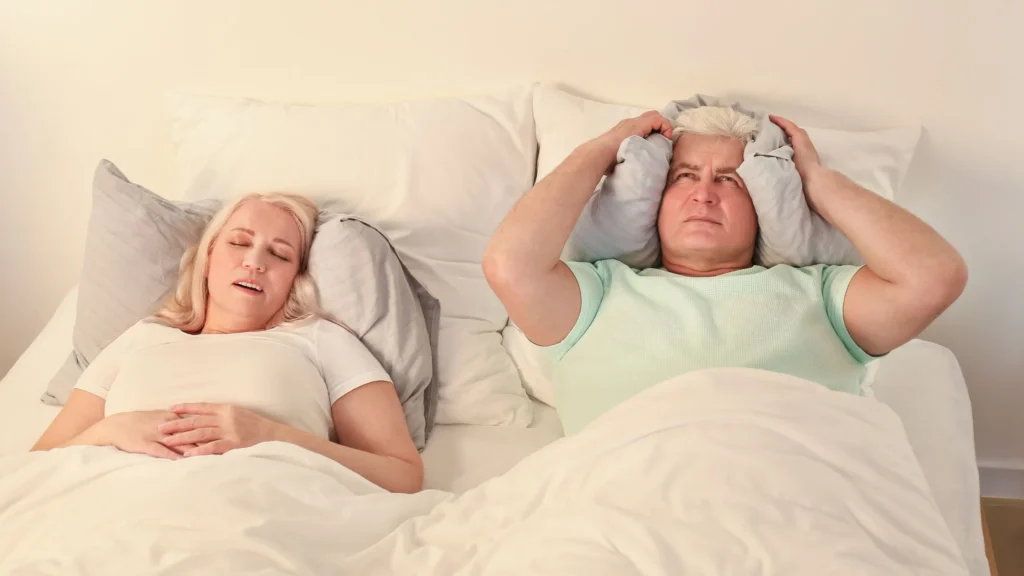
Do anti-snoring mouthpieces actually help, or are they another sleep gadget trend?
And when is snoring a red flag for sleep apnea?
Snoring is having a moment—part relationship comedy, part wellness obsession, and part real health conversation. Between wearable sleep scores, travel fatigue, and workplace burnout, people are looking for tools that make nights quieter and mornings easier. An anti snoring mouthpiece is one of the most practical options to consider, as long as you know what it can (and can’t) do.
Why am I snoring more lately?
Snoring is vibration. Air is trying to move through a narrowed space, and the soft tissues in the throat can flutter. That’s why snoring often spikes when life gets messy.
Common “right now” triggers people mention
- Travel fatigue: Different pillows, dry hotel air, and sleeping on your back can make snoring louder.
- Stress and burnout: Poor sleep routines can nudge you toward lighter, more fragmented sleep.
- Alcohol or late meals: Relaxed throat muscles can narrow the airway.
- Nasal congestion: When the nose is blocked, mouth breathing increases and snoring can follow.
- Sleep position: Back-sleeping can let the jaw and tongue drift backward.
Snoring also becomes a relationship topic fast. One person is “fine.” The other is counting ceiling cracks at 2 a.m. If that sounds familiar, you’re not alone.
Could my snoring be sleep apnea (and why that matters)?
Some snoring is simple snoring. Other snoring is tied to sleep-disordered breathing, including obstructive sleep apnea. That’s why recent health coverage keeps circling back to recognizing symptoms and taking them seriously.
Signals that deserve attention
- Witnessed pauses in breathing
- Choking or gasping during sleep
- Morning headaches or dry mouth
- Daytime sleepiness, brain fog, or irritability
- High blood pressure or worsening fatigue
If you’re seeing these patterns, don’t “hack” your way around them. Start with a conversation and appropriate screening. For a broader cultural reference to people seeking help and solutions, you can read this An inspirational solution to obstructive sleep apnea from CommonSpirit Health.
Where does an anti snoring mouthpiece fit in?
An anti-snoring mouthpiece is a tool that targets airflow and vibration by changing positioning. Most designs aim to keep the lower jaw slightly forward or stabilize the mouth in a way that reduces collapse and flutter.
What people like about mouthpieces
- Direct, mechanical approach: It’s not a “sleep score” or a subscription. It’s a physical change.
- Partner-friendly: If it reduces noise, it can reduce resentment fast.
- Travel-ready: Small, packable, and doesn’t require power.
What to expect (so you don’t quit on night two)
- Adaptation time: Saliva changes, mild jaw awareness, or pressure can happen early on.
- Fit matters: Too loose won’t help. Too tight can be uncomfortable.
- Positioning is the point: The goal is airway space and stability, not clenching.
What about viral sleep trends like mouth taping?
Sleep trends move fast. One week it’s a new ring. Next week it’s a piece of tape. Recent coverage has raised safety questions about mouth taping, especially for parents evaluating it for kids.
If you’re congested, anxious, or unsure you can breathe comfortably through your nose all night, taping can be a bad idea. A mouthpiece is different in intent and mechanism, but it still isn’t “one size fits all.” When in doubt, get guidance from a qualified clinician.
How do I choose a mouthpiece I’ll actually wear?
Comfort is not a luxury feature. If it’s uncomfortable, it ends up in a drawer. Use this quick checklist to make a smarter pick.
ICI basics: fit, comfort, and airflow
- Interface: Look for smooth edges and a design that won’t rub gums.
- Comfort: Prioritize jaw-friendly positioning over aggressive advancement.
- Impact: The device should aim to reduce vibration by improving airway stability.
Positioning tips that pair well with a mouthpiece
- Side-sleep support: A body pillow can reduce back-sleeping drift.
- Head and neck alignment: A pillow that keeps your neck neutral can help.
- Nasal breathing support: Address congestion so you’re not fighting airflow.
Cleanup and upkeep (simple, consistent)
- Rinse after each use.
- Brush gently with mild soap.
- Air-dry fully before storing.
Consistency beats intensity here. A clean device is easier to tolerate and easier to keep using.
What’s a practical option to start with?
If you want a straightforward setup that combines mouth support with added stabilization, consider an option like an anti snoring mouthpiece. Pairing tools can help some sleepers who struggle with mouth opening or shifting jaw position at night.
FAQs
Do anti-snoring mouthpieces work for everyone?
No. They’re best viewed as a practical trial for snoring and some sleep-disordered breathing patterns, not a universal fix.
Is snoring always a sign of sleep apnea?
No, but it can be. If symptoms stack up—loud snoring plus daytime sleepiness or witnessed pauses—get evaluated.
What’s the difference between a mouthpiece and mouth taping?
A mouthpiece aims to improve positioning and reduce vibration. Taping restricts lip opening and may be unsafe for some people, especially children.
How long does it take to get used to a mouthpiece?
Often several nights to a few weeks. Slow ramp-up and small fit adjustments can help.
How do I clean an anti-snoring mouthpiece?
Rinse, gently brush with mild soap, and air-dry. Follow the specific product directions to avoid warping.
When should I talk to a clinician about snoring?
If you notice gasping, breathing pauses, significant daytime sleepiness, or worsening symptoms, ask about sleep apnea screening.
CTA: Get the basics right, then test the tool
Snoring isn’t just noise. It can be a sleep quality problem, a relationship problem, and sometimes a health problem. Start with positioning, routine, and congestion support. Then trial a mouthpiece that you can actually tolerate.
How do anti-snoring mouthpieces work?
Medical disclaimer: This article is for general education only and is not medical advice. Snoring can have multiple causes, including sleep apnea. If you have severe symptoms, witnessed breathing pauses, or significant daytime sleepiness, seek evaluation from a qualified healthcare professional.