
On a recent work trip, someone in a hotel room did the classic “I’m fine, I’m just tired” routine. They packed a new sleep gadget, a neck pillow, and a white-noise app. By night two, their partner was bargaining: “If you stop snoring, I’ll stop stealing the blanket.”
That’s the mood right now. People are burned out, traveling more, and trying every trending sleep hack they see online. Meanwhile, snoring keeps showing up as the unfun punchline that also wrecks sleep quality.
This guide keeps it simple. Use the if…then branches below to decide whether an anti snoring mouthpiece fits your situation, what else to try alongside it, and when to take snoring more seriously.
First: what snoring is doing to your sleep quality
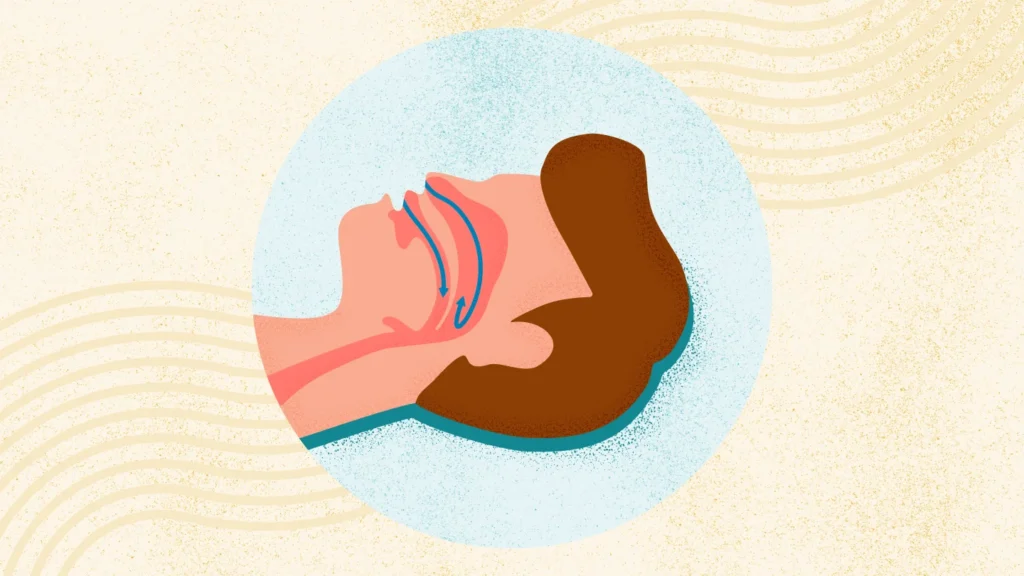
Snoring often means airflow is getting squeezed as you sleep. Even if you don’t fully wake up, the noise and vibration can fragment sleep. That can show up as foggy mornings, irritability, and that “I slept, but I didn’t recover” feeling.
Some headlines have also been highlighting a bigger point: snoring isn’t always just a nuisance. In some people, it can be a sign of obstructive sleep apnea, which is linked with cardiovascular strain over time.
Your decision map: If…then pick the next step
If snoring is new (or suddenly louder), then check the “why now” list
Before you buy anything, scan for recent changes. Seasonal congestion, dry indoor air, travel fatigue, alcohol close to bedtime, and weight changes can all play a role. Winter gets a lot of attention because dry air and nasal stuffiness can make nighttime breathing feel harder for some people.
If you want a quick read on the winter angle, see this related coverage on Why Winter Can Make Sleep Apnea Worse.
If you mostly snore on your back, then prioritize position and jaw support
Back-sleeping can let the jaw and tongue drift in a way that narrows airflow. If that sounds like you, side-sleeping strategies may help. A mouthpiece may also be worth considering because many designs aim to keep the lower jaw from sliding backward.
Think of it like opening a kinked garden hose. You’re not “forcing” sleep. You’re reducing the collapse points that create turbulence and noise.
If your partner says it’s “every night,” then treat it as a sleep-health issue (not a joke)
Relationship humor is common here, but nightly snoring often means nightly sleep disruption for two people. That can spill into patience, focus, and workplace performance. Burnout plus poor sleep is a rough combo.
At this point, you’re not just shopping for peace and quiet. You’re protecting sleep quality as a health habit.
If you wake up unrefreshed, then screen for red flags before you DIY
If snoring comes with gasping, witnessed pauses in breathing, morning headaches, or heavy daytime sleepiness, don’t rely on gadgets alone. Those patterns can fit sleep apnea. Dental sleep therapies are a growing topic, but the right option depends on your risk profile and evaluation.
Use a mouthpiece only as part of a bigger plan if symptoms suggest something more than simple snoring.
If you want a non-drug option, then an anti snoring mouthpiece may be the simplest “try first” tool
Many people try nasal strips, sprays, and wearable trackers. Mouthpieces are popular because they’re relatively straightforward: wear it, see if snoring decreases, and judge how you feel in the morning.
If you’re comparing products, start with comfort, adjustability, and materials. Here’s a hub of anti snoring mouthpiece to review.
If comfort is your biggest worry, then set expectations for an adjustment period
It’s normal to need a few nights to adapt. Dry mouth, drooling, or mild jaw soreness can happen at first. If pain is sharp, or your bite feels “off” during the day, stop and talk with a dental professional.
Comfort isn’t a luxury. It’s what determines whether you’ll actually use the device consistently.
Quick reality checks people miss
Snoring volume isn’t the whole story
Some people snore quietly but still have disrupted breathing. Others are loud and otherwise okay. Your daytime symptoms and risk factors matter as much as the decibel level.
Sleep gadgets can support habits, but they can’t replace evaluation
Apps, rings, and smart alarms can nudge better routines. They can’t diagnose sleep apnea. If you suspect a breathing disorder, get screened.
Travel fatigue makes everything worse
Different pillows, alcohol with dinner, and dry hotel air can spike snoring. If snoring only happens on the road, focus on travel routines first. If it happens everywhere, consider a mouthpiece trial and a health check if you have red flags.
FAQs
Can an anti snoring mouthpiece help if I only snore sometimes?
Yes, especially if your snoring tracks with position, congestion, alcohol, or travel. If snoring is escalating or paired with daytime sleepiness, consider a clinical evaluation.
What’s the difference between a mouthguard and an anti-snoring mouthpiece?
A standard mouthguard is often for teeth grinding. An anti-snoring mouthpiece is designed to reduce airway narrowing, commonly by supporting the jaw or tongue position.
How do I know if my snoring could be sleep apnea?
Look for pauses, choking/gasping, morning headaches, high sleepiness, or high blood pressure. A clinician can decide whether sleep testing makes sense.
Do mouthpieces work right away?
Sometimes. Many people need a short adjustment period to dial in comfort and fit.
Is winter really worse for snoring?
Colder months can bring nasal congestion and drier indoor air, which may worsen snoring for some people. If winter is a consistent trigger, revisit your environment and symptoms.
Next step: pick one action you can do tonight
If you want a low-commitment start, focus on sleep position and a consistent bedtime. If snoring is frequent, an anti-snoring mouthpiece is a practical next trial. If symptoms suggest sleep apnea, prioritize screening.
How do anti-snoring mouthpieces work?
Medical disclaimer: This article is for general education and does not provide medical advice, diagnosis, or treatment. If you have loud habitual snoring, choking/gasping, breathing pauses, severe daytime sleepiness, or heart-related concerns, talk with a qualified clinician or dentist trained in sleep-related breathing disorders.