
Five rapid-fire takeaways:
- Snoring is a sleep-quality problem, not just a noise problem.
- Sleep trends are loud right now: apps, wearables, “5-minute” wind-down hacks, and new-year reset plans.
- Travel fatigue and burnout make snoring feel worse because your sleep gets lighter and more fragmented.
- An anti snoring mouthpiece can be a practical step when snoring is position-related and you want a non-machine option.
- Red flags matter: choking/gasping, heavy daytime sleepiness, or high blood pressure symptoms deserve medical attention.
Why snoring is trending again (and why you should care)
Sleep has become a full-on lifestyle category. People are buying sleep gadgets, testing viral “fall asleep fast” routines, and doing new-year sleep resets. Meanwhile, work stress and relationship humor keep the topic in circulation: one person’s “cute little snore” is another person’s 2 a.m. rage-scroll.
But the real issue is sleep quality. Snoring can fragment sleep for the snorer and the person next to them. That can show up as morning headaches, low patience, and that foggy “I slept, but I’m not rested” feeling.
Use this decision map: If…then…
Skip the endless product comparisons. Start with what your snoring looks like and how you feel during the day.
If your snoring is occasional and tied to habits…then start with simple levers
If you snore mostly after alcohol, during allergy season, or when you sleep on your back, then treat it like a systems problem. A short wind-down routine can help you fall asleep faster and sleep deeper, which can reduce the “light sleep + frequent wake-ups” cycle.
Try stacking a few basics: consistent wake time, cooler bedroom, and less stimulating pre-bed scrolling. These are the kinds of behavioral buckets people are discussing in “fresh start” sleep guides: sleep drive, body clock timing, sleep hygiene, overthinking, and pre-bed activity.
If your partner complains nightly…then a mouthpiece is a reasonable next step
If snoring is frequent and you want a tool that doesn’t require a power cord, then an anti snoring mouthpiece is worth considering. Many mouthpieces aim to keep the airway more open by adjusting jaw or tongue position during sleep.
This is where sleep gadget culture can actually be helpful. You don’t need a drawer full of devices. You need one option you can use consistently.
To compare options, see anti snoring mouthpiece.
If you’re exhausted during the day…then think beyond “just snoring”
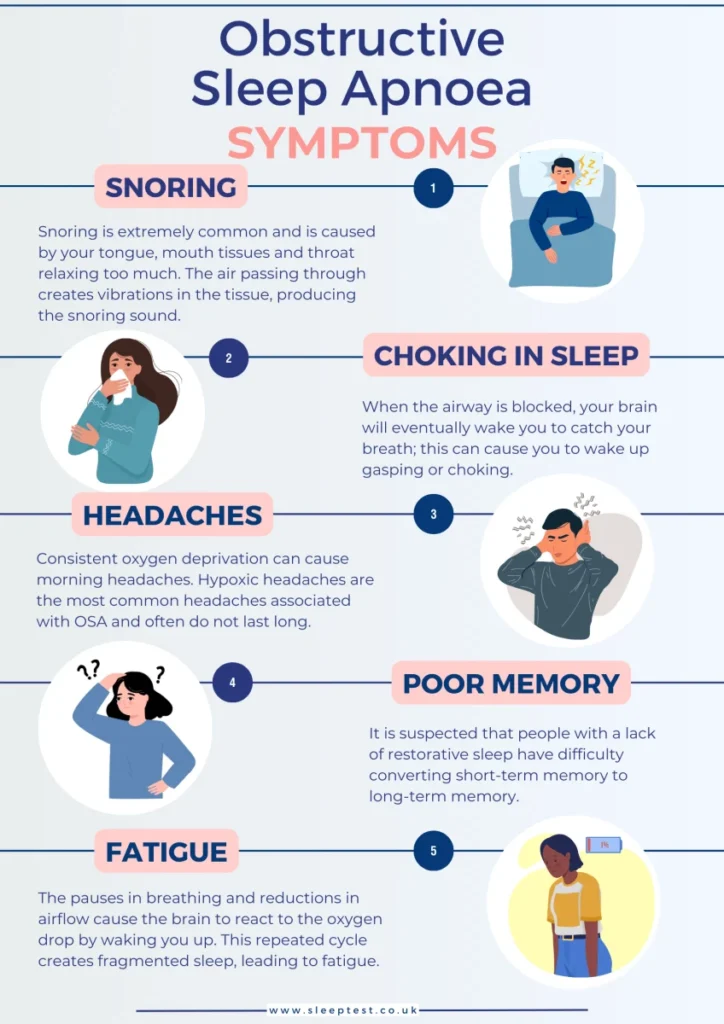
If you wake up unrefreshed, doze off easily, or need caffeine like it’s a life support system, then don’t assume the sound is the only issue. Snoring can overlap with sleep-disordered breathing, including obstructive sleep apnea.
For a credible overview of warning signs, read Here are five behavioral and psychological tips for a fresh start toward better sleep in the new year, spanning five categories — sleep drive, circadian rhythm, sleep hygiene, overthinking and pre-bed activity. https://wapo.st/3MQgP1D.
If you suspect sleep apnea…then don’t DIY your way past it
If you or your partner notice gasping, choking, long pauses in breathing, or loud snoring paired with severe sleepiness, then prioritize a medical evaluation. Sleep apnea is linked with broader health risks, and it’s not something to brush off as “annoying but normal.”
A mouthpiece may still be part of the conversation, but the right next step is proper screening and guidance.
If travel and burnout are amplifying everything…then optimize for consistency
If snoring flares on business trips or after late nights, then simplify your routine. Jet lag, unfamiliar beds, and stress can make sleep lighter. That makes snoring seem louder and more disruptive.
Pick a repeatable plan: one wind-down cue, one sleep environment tweak, and one snoring tool you’ll actually pack. Consistency beats intensity.
Quick fit check: is an anti snoring mouthpiece a good match?
- Good match: frequent snoring, back-sleeping, mild-to-moderate symptoms, you want a non-electronic option.
- Proceed carefully: jaw pain, TMJ issues, loose dental work, significant tooth sensitivity.
- Get checked first: suspected sleep apnea signs, major daytime sleepiness, high-risk health history.
FAQ (fast answers)
Can an anti snoring mouthpiece help if I only snore sometimes?
It can, especially if your snoring shows up with back-sleeping, alcohol, allergies, or travel fatigue. If snoring is new, loud, or worsening, consider screening for sleep apnea.
What’s the difference between snoring and sleep apnea?
Snoring is sound from vibration in the airway. Sleep apnea involves repeated breathing interruptions during sleep and can affect oxygen and sleep quality. A clinician can confirm it.
How quickly do mouthpieces work?
Many people notice changes within a few nights once fit and positioning feel right. Comfort and consistency matter as much as the device.
Are anti-snoring mouthpieces safe?
Many are safe for typical snoring, but they can cause jaw soreness, tooth discomfort, or bite changes in some people. Avoid self-treating if you suspect sleep apnea or have significant dental/TMJ issues.
What else should I do besides a mouthpiece to sleep better?
Keep a steady wake time, reduce late-night screen stimulation, and build a short wind-down routine. Small behavior shifts often stack well with a mouthpiece.
CTA: pick the next step you’ll actually do tonight
If snoring is dragging down your sleep quality (or your relationship peace treaty), choose a practical tool and keep the plan simple. An anti snoring mouthpiece can be a solid option when you want something portable and consistent.
How do anti-snoring mouthpieces work?
Medical disclaimer: This article is for general education only and is not medical advice. Snoring can be a sign of obstructive sleep apnea or other health conditions. If you have loud nightly snoring, breathing pauses, gasping, chest pain, severe daytime sleepiness, or concerns about your heart or cognition, seek evaluation from a qualified clinician.