
Before you try another sleep gadget, run this checklist:
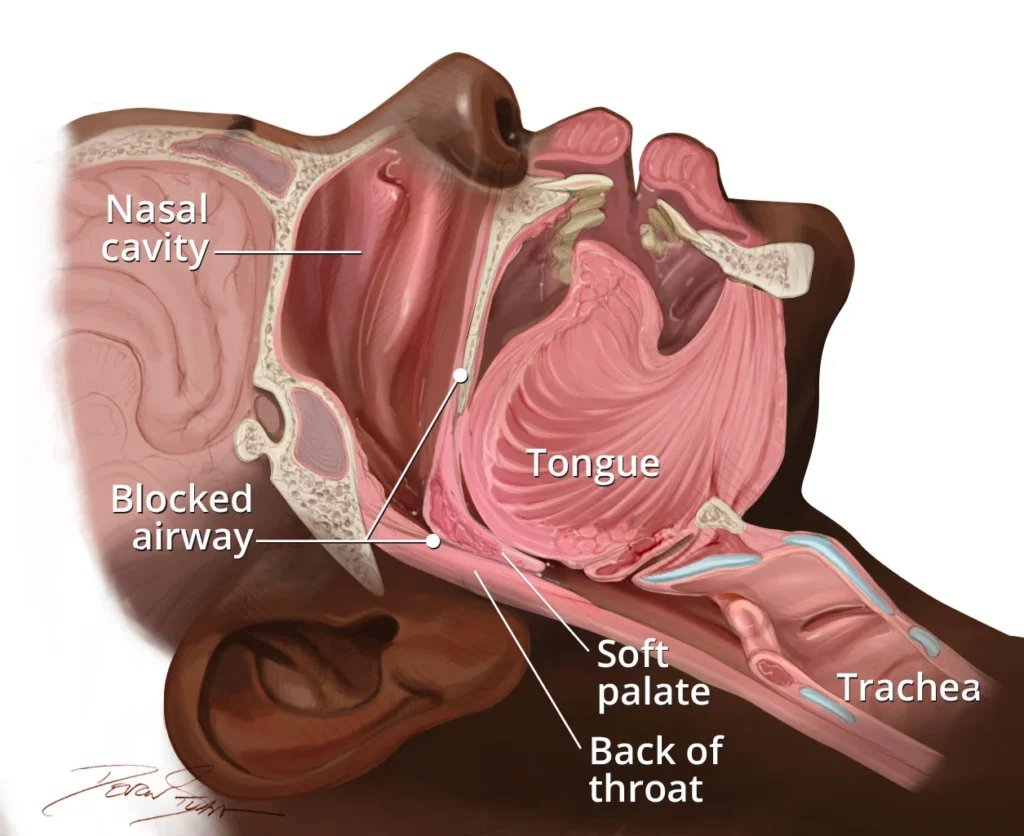
- Is it simple snoring or a red-flag pattern? (gasping, pauses, extreme sleepiness)
- Where is the noise coming from? (mouth open, jaw drops back, tongue falls back)
- What’s your real goal? Quieter nights, better sleep quality, fewer wake-ups, less partner conflict
- What will you actually tolerate? Comfort beats “perfect” features
Snoring isn’t just a relationship punchline. It’s also part of a bigger sleep-quality conversation that’s showing up in workplace burnout talk, travel fatigue threads, and the latest wave of sleep-tech shopping lists. Some recent coverage has even linked untreated obstructive sleep apnea with major productivity losses at a population level. If you want the quick, practical path, start with decisions—not hype.
A decision guide: if…then… what to try next
If your partner says you snore louder on your back… then start with positioning
If back-sleeping is the trigger, then try side-sleep support first. A body pillow, a backpack-style positional aid, or a simple bed setup change can reduce the “jaw drops, airway narrows” effect for some people. This is the lowest-effort test and it pairs well with other tools.
If you travel a lot, then treat hotel sleep like a different environment. Dry air, alcohol with late dinners, and unfamiliar pillows can turn mild snoring into an all-night soundtrack. Pack what stabilizes your sleep routine, not what looks coolest on social media.
If you wake up with a dry mouth… then look at mouth breathing and jaw drop
If your mouth falls open, then a mouth-focused strategy may help. Many people chase “silent sleep” but ignore the mechanics: open mouth can worsen vibration and dryness, which can fragment sleep.
If you’re tempted by mouth tape, then slow down and screen for risks. Mouth taping is trending, but it isn’t a universal fix. Nasal blockage, allergies, or possible sleep apnea can make “just tape it” a bad idea. If you’re unsure, get medical guidance before experimenting.
If snoring seems tied to jaw position… then consider an anti snoring mouthpiece
If your jaw slides back during sleep, then an anti snoring mouthpiece may help by changing positioning. Many mouthpieces aim to hold the lower jaw slightly forward to reduce airway narrowing. That’s the basic mechanism. The best device is the one you can wear consistently.
If comfort has been the deal-breaker before, then prioritize fit and feel over “max advancement.” Over-tightening or forcing a dramatic jaw shift often backfires. You want sustainable, not heroic.
If you suspect tongue-based obstruction… then think “tongue control,” not just noise control
If the sound is more of a flutter and happens with mouth closed, then tongue position might be part of it. Some people do better with devices that manage tongue posture or combine approaches. Newer products in the market are also experimenting with dual-therapy concepts, which reflects how multi-factor snoring can be.
If you’re exhausted during the day… then treat it as a sleep health issue, not a nuisance
If you feel unrefreshed, then don’t stop at decibel reduction. Snoring can coexist with disrupted sleep for many reasons. And when obstructive sleep apnea is in the picture, the stakes go beyond annoyance. For a general overview tied to the broader conversation, see this Obstructive sleep apnea may cost UK and US economies billions in lost productivity.
If you have red flags, then get evaluated. Loud snoring plus choking/gasping, witnessed pauses, or heavy daytime sleepiness is a “don’t DIY forever” situation.
Make a mouthpiece more likely to work: ICI basics
Most people quit because of comfort, drooling, or “this feels weird.” Use this ICI approach to improve your odds.
I = Incremental fit (don’t brute-force night one)
Start with short wear while winding down. Then extend to the first half of the night. Your jaw and bite need time to adapt. If your device is adjustable, move in small steps.
C = Comfort and positioning (jaw forward, not jaw strained)
A good fit feels secure, not clamped. Aim for gentle advancement that reduces snoring without jaw pain. If you wake with soreness, scale back and reassess.
I = Improve hygiene (cleanup that’s easy enough to repeat)
Rinse after use, clean gently, and air-dry fully. A mouthpiece you dread cleaning becomes a mouthpiece you stop wearing. Consistency is the real “feature.”
Quick pick: if you want a combined approach
If mouth opening is part of your snoring, then a combo setup may be worth considering. Some people like pairing a mouthpiece with support that helps keep the mouth closed. Here’s a relevant option to compare: anti snoring mouthpiece.
Relationship and work reality: why this matters right now
Snoring jokes land because they’re common. The not-funny part is what follows: two people sleeping poorly, a short fuse at work, and that “burnout but make it coffee” routine. Better sleep quality can improve how you feel and function, even when the fix is unglamorous.
If you’re buying sleep gadgets because you’re desperate, pause. Use the decision guide above. Then pick one change you can stick with for two weeks.
FAQs (fast answers)
Do anti-snoring mouthpieces work for everyone?
No. They can help when jaw/tongue positioning contributes to snoring, but not every snoring pattern responds.
What’s the difference between snoring and sleep apnea?
Snoring is noise from airway vibration. Sleep apnea involves repeated breathing disruptions. Red flags deserve evaluation.
Is mouth taping a safe alternative to a mouthpiece?
Not always. Risks vary based on nasal airflow and underlying conditions. Ask a clinician if you’re unsure.
How long does it take to get used to an anti-snoring mouthpiece?
Often a short adjustment period. Start gradually and optimize comfort.
How do I clean an anti-snoring mouthpiece?
Rinse, gently clean with mild soap, and air-dry. Follow the product instructions.
Next step
How do anti-snoring mouthpieces work?
Medical disclaimer: This article is for general education and does not provide medical advice, diagnosis, or treatment. If you suspect sleep apnea or have severe daytime sleepiness, choking/gasping, or witnessed breathing pauses, seek evaluation from a qualified healthcare professional.