
Q: Is your snoring “just annoying,” or is it wrecking your sleep quality?
Q: Are sleep gadgets and trending sleep rules making you feel like you’re doing sleep “wrong”?
Q: Could an anti snoring mouthpiece actually help, or will it end up in the nightstand graveyard?
Here’s the grounded answer: snoring is common, but it isn’t always harmless. And while the internet loves a shiny sleep hack, the best move is a simple decision path that matches your symptoms, your relationship reality, and your sleep health goals.
Why everyone’s talking about sleep right now (and why it matters)
Between wearable sleep scores, “biohacker” bedtime routines, and travel fatigue that turns a hotel room into a snore echo chamber, sleep has become a daily performance metric. Add workplace burnout and you get a perfect storm: people feel tired, partners feel resentful, and everyone wants a fix by tonight.
Recent health coverage has also kept the spotlight on obstructive sleep apnea and how sleep disruption can affect focus and mental sharpness. That attention is useful, as long as it pushes you toward safer decisions instead of panic-buying a drawer full of gadgets.
The decision path: If…then… (use this tonight)
Pick the branch that sounds most like your situation. Don’t overthink it. The goal is fewer wake-ups and less friction at home.
If your partner says you “stop breathing,” then treat it as a medical flag
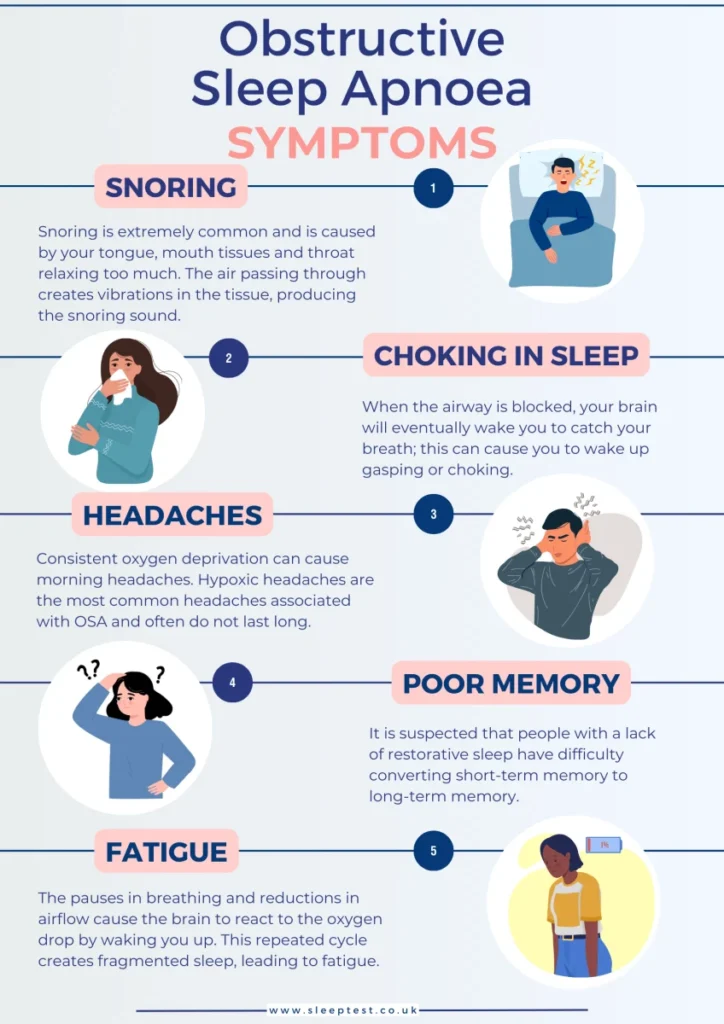
If there are witnessed pauses in breathing, choking or gasping, or you wake up feeling startled, don’t write it off as basic snoring. Those signs can line up with obstructive sleep apnea. It’s also common for people to feel unrefreshed even after a “full” night.
Start by learning the typical red flags from a credible overview like Obstructive Sleep Apnea, Cognitive Health, and Mental Performance. Then consider a professional evaluation so you’re not guessing.
If you’re exhausted, foggy, or irritable most days, then prioritize sleep quality over “hours”
Trendy sleep rules can be motivating, but sleep health isn’t only about time in bed. Fragmented sleep can leave you wiped out even when your tracker says you “slept” for seven or eight hours.
If daytime sleepiness, morning headaches, or concentration problems show up often, treat that pattern seriously. It’s not a character flaw. It’s a signal to look for causes, including breathing-related sleep disruption.
If the snoring is consistent but the symptoms are mild, then an anti snoring mouthpiece may be a practical next step
Many people snore because airflow gets noisy when tissues relax during sleep. For some, jaw position plays a role in how open the airway stays. That’s where an anti snoring mouthpiece can fit into the picture.
Think of it like moving a chair away from a doorway so the hallway doesn’t feel cramped. The goal is smoother airflow and fewer vibrations that trigger snoring. Comfort and fit matter a lot, so choose a design that matches your tolerance and routine.
If you want to compare styles, start with a straightforward roundup of anti snoring mouthpiece and narrow it down based on how you sleep (back vs. side), how sensitive your jaw is, and how quickly you need results.
If snoring spikes after travel, alcohol, or a stressful week, then fix the “inputs” first
Travel fatigue, late dinners, alcohol, and nasal congestion can all make snoring louder. Stress can do it too, because it changes sleep depth and muscle tone. If your snoring comes in waves, start with the basics for a few nights and see what changes.
That doesn’t mean you can’t use a mouthpiece. It means you’ll get better results when you also reduce the triggers that keep reloading the problem.
If the real problem is relationship tension, then make the plan a team decision
Snoring jokes are a classic couples trope until someone’s sleeping on the couch for the third night in a row. Sleep deprivation turns small conflicts into big ones. It also makes “feedback” sound like criticism.
Try a simple script: “I want both of us to sleep better. Can we test one change for a week and review?” That keeps it practical. It also prevents the nightly blame loop.
Quick reality checks before you buy anything
- Snoring isn’t one-size-fits-all. Mouthpieces can help some people, but they aren’t magic for every cause.
- Comfort predicts consistency. A device you hate won’t get used, no matter how “effective” it sounds.
- Watch for red flags. Breathing pauses, gasping, and heavy daytime sleepiness deserve medical attention.
FAQ (fast answers)
What’s the fastest way to tell if snoring is a bigger issue?
Look for loud frequent snoring plus choking/gasping, witnessed breathing pauses, or major daytime sleepiness. Those are common reasons to seek evaluation.
Can an anti snoring mouthpiece help if I only snore on my back?
It may. Positional snoring can respond to side-sleeping strategies, and some mouthpieces can help keep the airway more open.
Do mouthpieces work for everyone who snores?
No. Snoring has multiple causes. Mouthpieces tend to help most when jaw position and airway space are part of the issue.
Is snoring linked with poor mental performance?
Sleep disruption can leave people feeling foggy and less focused. If it’s frequent, consider an evaluation for sleep-disordered breathing.
What should I do if a mouthpiece causes jaw pain?
Stop using it and reassess. Ongoing pain, bite changes, or TMJ symptoms should be discussed with a professional.
Can I use a mouthpiece if I think I have sleep apnea?
Don’t self-treat suspected sleep apnea without guidance. Get evaluated so you choose the safest, most effective approach.
CTA: make your next step simple
If your symptoms fit the “mild but consistent snoring” branch, a mouthpiece can be a reasonable experiment. Keep it measurable: fewer wake-ups, fewer complaints, better mornings.
How do anti-snoring mouthpieces work?
Medical disclaimer: This article is for general education and isn’t medical advice. Snoring can be a sign of obstructive sleep apnea or other health issues. If you have breathing pauses, gasping/choking, chest pain, severe daytime sleepiness, or concerns about your health, seek evaluation from a qualified clinician.