
Before you try an anti snoring mouthpiece, run this quick checklist:
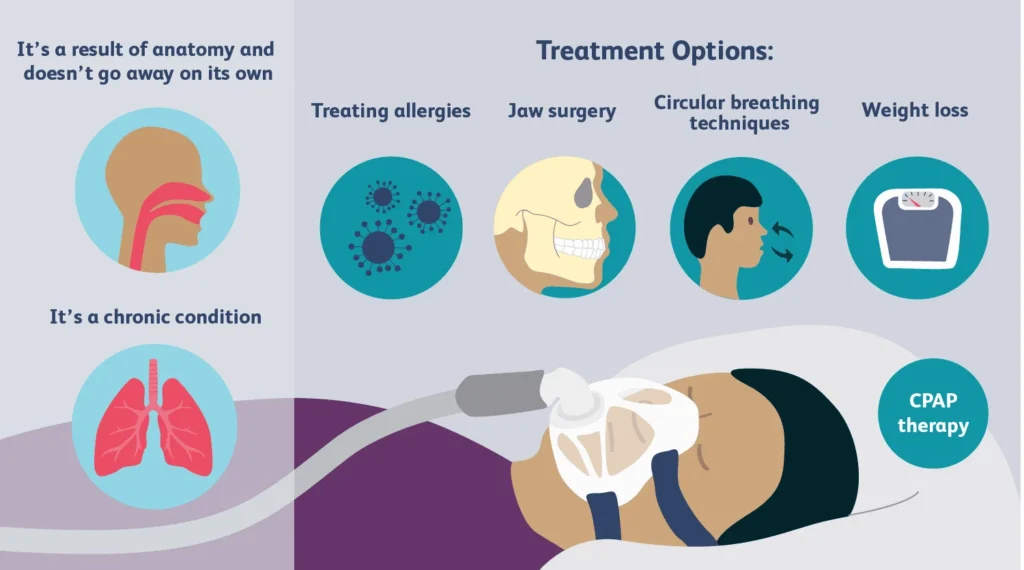
- Safety first: Do you have choking/gasping, witnessed breathing pauses, or heavy daytime sleepiness?
- Pattern: Is snoring nightly, or only after travel, alcohol, or burnout weeks?
- Nose vs. mouth: Do you wake with a dry mouth or feel “stuffy” most nights?
- Comfort: Any jaw clicking, TMJ pain, loose teeth, or dental work that could be irritated?
- House rules: Is this a relationship problem, a sleep-quality problem, or both?
Sleep talk is everywhere right now: wearables scoring your “recovery,” mouth-taping debates, nasal strips in gym bags, and the classic partner joke about “sleeping in separate zip codes.” Add work burnout and travel fatigue, and snoring stops being a punchline. It becomes a nightly tax on mood, focus, and patience.
A decision guide you can actually use (If…then…)
If snoring comes with red flags, then screen first
If a partner notices pauses in breathing, or you wake up choking, don’t treat it like a noise issue. Those signs can line up with sleep apnea, which is linked with health risks and deserves a proper evaluation. In that situation, a mouthpiece might still play a role, but it shouldn’t be your only plan.
Document what’s happening for two weeks: bedtime, wake time, alcohol, congestion, and any witnessed breathing pauses. That record reduces guesswork and helps you have a cleaner conversation with a clinician.
If the problem is “mostly noise,” then start with the simplest airway wins
If you snore but feel okay in the daytime, and nobody sees breathing pauses, you can start with low-friction changes. Many people notice snoring spikes after late meals, alcohol, or back-sleeping. Travel can also trigger it because your schedule shifts and your nose dries out in planes and hotel air.
Also consider the nose. Recent fitness and health coverage has highlighted how breathing mechanics can affect performance and recovery in broad terms. If nasal breathing feels tough at night, you may be more likely to mouth-breathe and vibrate soft tissue.
For a general read on the performance angle, see Could Your Nose Be Key to Better Performance?.
If you wake with a dry mouth, then think “mouth-breathing control”
Dry mouth often points to mouth breathing, which can worsen snoring and disrupt sleep continuity. In that case, a combined approach can be useful: keep the jaw supported and reduce the chance you pop your mouth open during the night.
One option people look for is an anti snoring mouthpiece. The goal is simple: improve airflow mechanics and reduce vibration so sleep feels less fragmented.
If your jaw is sensitive, then choose comfort over “maximum adjustment”
More aggressive repositioning is not always better. If you have TMJ history, jaw clicking, or you wake with headaches, prioritize a design that feels stable and doesn’t force your bite. Stop if you notice new pain, tooth soreness, or bite changes.
From a risk standpoint, it helps to write down what you tried, when you started, and why you stopped. That’s not paranoia. It’s a clean way to avoid repeating the same mistake and to support a dental or medical conversation later.
If burnout is the backdrop, then protect sleep quality like a resource
When work stress is high, sleep gets thinner and lighter. That makes snoring more disruptive because you wake more easily, and your partner does too. This is where “sleep gadgets” can be helpful, but only if they reduce friction instead of adding another dashboard to check at 2 a.m.
Pick one metric to track (like wake-ups) and one action to test (like a mouthpiece). Keep the experiment short: 10–14 nights. Then decide based on results, not vibes.
How to use a mouthpiece without creating new problems
Set up a simple trial
- Define success: fewer wake-ups, less partner disturbance, or better morning energy.
- Keep variables steady: similar bedtime, similar alcohol intake, similar sleep position.
- Log side effects: jaw soreness, tooth pressure, gum irritation, dry mouth.
Keep it clean and personal
Don’t share mouthpieces. Clean them as directed by the manufacturer and let them dry fully. That lowers hygiene risk and extends the product’s life.
FAQ: quick answers people want right now
Is snoring always harmless?
No. Sometimes it’s just vibration and anatomy, but it can also be a sign of a breathing disorder. If symptoms suggest sleep apnea, get evaluated.
Can improving nasal airflow help snoring?
It can for some people, especially if congestion pushes you into mouth breathing. The best approach depends on your pattern and symptoms.
Will a mouthpiece fix poor sleep quality by itself?
It can reduce one major disruptor (airway vibration), but sleep quality also depends on schedule, stress, alcohol, and sleep environment.
Next step: pick the branch that fits your night
If you have red flags, prioritize screening. If it’s mostly noise and dry-mouth mornings, a mouthpiece-based approach may be a reasonable next test. Either way, keep your trial simple and document what changes.
How do anti-snoring mouthpieces work?
Medical disclaimer: This article is for general education and is not medical advice. Snoring can have many causes, including sleep apnea. If you have choking/gasping, witnessed breathing pauses, chest pain, severe daytime sleepiness, or concerns about heart risk, seek medical care promptly.