
- Snoring is a sleep quality problem—not just a noise problem.
- Sleep “hacks” are trending, but consistency beats novelty.
- An anti snoring mouthpiece can help when jaw position is part of the issue.
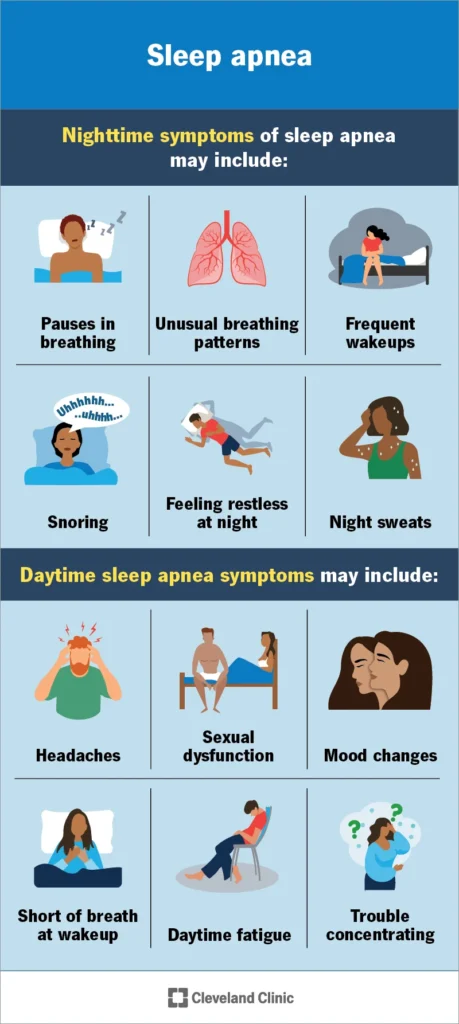
- Some red flags need medical attention, especially possible sleep apnea symptoms.
- Better sleep helps everything: mood, focus, relationships, and recovery from travel fatigue.
Between sleep trackers, sunrise lamps, and viral bedtime routines, it’s easy to feel like you need a new gadget every week. Meanwhile, snoring keeps doing what it does best: wrecking sleep for two people at once. If you’re seeing more talk about sleep hygiene, mouth taping, and “do-this-by-10pm” routines, you’re not imagining it.
This guide keeps it simple. You’ll learn where an anti snoring mouthpiece fits, what to try first, and when snoring may be a sign of something bigger.
Why is everyone suddenly talking about sleep routines and snoring?
Sleep has become a cultural obsession because people feel cooked. Workplace burnout, late-night scrolling, and constant travel schedules don’t mix well with deep rest. Add a snoring partner and you get a nightly negotiation that’s half comedy, half crisis.
Recent sleep content often pushes structured routines (the kind with countdown-style rules). Those frameworks can be useful because they reduce decision fatigue. You stop debating bedtime and start protecting it.
What’s the real goal of “sleep hygiene”?
Sleep hygiene is just the set of habits that make sleep easier to start and easier to maintain. It’s also tied to broader health conversations, including heart health, because poor sleep quality can ripple into daytime strain.
If you want a credible overview of the sleep hygiene conversation, see this resource on Improve Your Sleep Routine With This 10-3-2-1-0 Hack Tonight.
Is snoring “normal,” or a sign your sleep quality is suffering?
Occasional snoring can happen to anyone. It often shows up with alcohol, allergies, a cold, or sleeping flat on your back. The issue is frequency and impact.
If snoring is loud, nightly, or paired with unrefreshing sleep, it’s not harmless background noise. It can fragment sleep, increase irritability, and amplify travel fatigue. It can also strain relationships fast, because the non-snorer starts living in a state of low-grade sleep deprivation.
When should you take snoring more seriously?
Snoring can overlap with sleep apnea, a condition where breathing repeatedly stops or becomes shallow during sleep. You can’t diagnose that at home with a vibe check. If you notice choking/gasping, witnessed pauses in breathing, morning headaches, or heavy daytime sleepiness, talk to a clinician.
Medical sources commonly list these as key symptoms and causes to review with a professional. If any of this sounds familiar, prioritize evaluation over experimentation.
What should you try first before buying an anti snoring mouthpiece?
Start with the low-effort, high-upside moves. They’re boring, but they work for a lot of people.
Quick wins that don’t require new gear
- Side sleeping to reduce airway collapse that can happen on your back.
- Limit alcohol close to bedtime, since it can relax airway tissues.
- Address nasal stuffiness (allergies, congestion) so you can breathe more freely.
- Protect a wind-down window so your body isn’t trying to sleep while your brain is still “at work.”
These steps also pair well with popular routine frameworks you may have seen in the news. The point isn’t the exact numbers. The point is reducing late-night friction.
So where does an anti snoring mouthpiece actually help?
An anti snoring mouthpiece is typically designed to position the jaw and tongue in a way that helps keep the airway more open. That can reduce the vibration that creates snoring.
It’s most relevant when snoring is linked to jaw position, mouth breathing, or airway narrowing during sleep. It’s less likely to be the whole answer if the main driver is nasal blockage or a medical condition that needs treatment.
What it’s like to use one (realistic expectations)
Expect an adjustment period. Some people notice drooling, mild jaw tightness, or tooth soreness early on. Comfort often improves when you use it consistently and ensure the fit is appropriate.
If you want a single product option to evaluate, here’s a related search-style link to an anti snoring mouthpiece.
What about trendy fixes like mouth taping and other sleep gadgets?
Sleep trends move fast because they’re easy to share and easy to buy. Mouth taping, for example, gets attention as a “simple” idea. Yet it’s not a universal solution, and it can be a bad fit if you have nasal obstruction or breathing issues.
Here’s a cleaner way to think about it: if a trend changes your breathing, treat it like a health decision, not a life hack. When in doubt, ask a professional.
Gadgets can help, but they can’t outsmart bad sleep basics
Trackers and smart alarms can be motivating. They can also create anxiety if you chase perfect scores. If you’re burned out, the best “device” might be a consistent bedtime and fewer late-night inputs.
How do you know if your snoring plan is working?
Use simple metrics for two weeks. Don’t overcomplicate it.
- Partner report: fewer wake-ups, less volume, fewer nudges.
- Your morning: less dry mouth, fewer headaches, more refreshed.
- Your day: better focus, fewer energy crashes, less irritability.
If nothing changes, don’t just stack more hacks. That’s how people end up with a nightstand full of gadgets and the same tired morning.
FAQ: anti snoring mouthpiece, sleep quality, and sleep health
Do anti-snoring mouthpieces work for everyone?
No. They tend to help when snoring is related to jaw position and airway narrowing, but they may not help if snoring is driven by congestion, alcohol, or untreated sleep apnea.
How long does it take to get used to an anti snoring mouthpiece?
Many people need a short adjustment period. Mild jaw or tooth soreness can happen early on, and comfort often improves with consistent use.
Is loud snoring always sleep apnea?
Not always, but loud, frequent snoring can be a sign. If you also have choking/gasping, daytime sleepiness, or witnessed breathing pauses, talk to a clinician.
Is mouth taping a safe alternative to stop snoring?
It’s a popular trend, but it isn’t right for everyone and can be risky if you can’t breathe well through your nose. If you’re considering it, discuss it with a healthcare professional.
What’s the first thing to try before buying another sleep gadget?
Start with basics that reduce airway irritation: side sleeping, limiting alcohol close to bedtime, and improving nasal breathing. If snoring persists, consider a mouthpiece or get evaluated for sleep apnea.
Next step: get a clear answer, not another random hack
If snoring is hurting sleep quality, pick one plan and run it consistently. Start with basics, then consider a mouthpiece if your pattern fits. If you see red flags for sleep apnea, get medical guidance.
How do anti-snoring mouthpieces work?
Medical disclaimer: This article is for general education only and is not medical advice. It does not diagnose, treat, or cure any condition. If you suspect sleep apnea or have concerning symptoms (gasping, breathing pauses, severe daytime sleepiness), consult a qualified healthcare professional.