
- Snoring is getting more attention because wearables, sleep apps, and “sleep score” culture make it harder to ignore.
- Winter can amplify breathing problems at night for some people, especially with dryness and congestion.
- An anti snoring mouthpiece can help certain types of snoring, but it’s not a cure-all.
- If you have daytime sleepiness or witnessed breathing pauses, don’t DIY forever—get evaluated.
- Better sleep often comes from a combo: positioning, routine, nasal airflow, and the right tool.
What people are talking about right now (and why)
Sleep is having a moment. You see it in the gadget aisle, in “morning routine” videos, and in the jokes couples share about who kept who awake. Even travel fatigue is part of it. Red-eye flights, hotel pillows, and time changes turn mild snoring into a bigger problem fast.
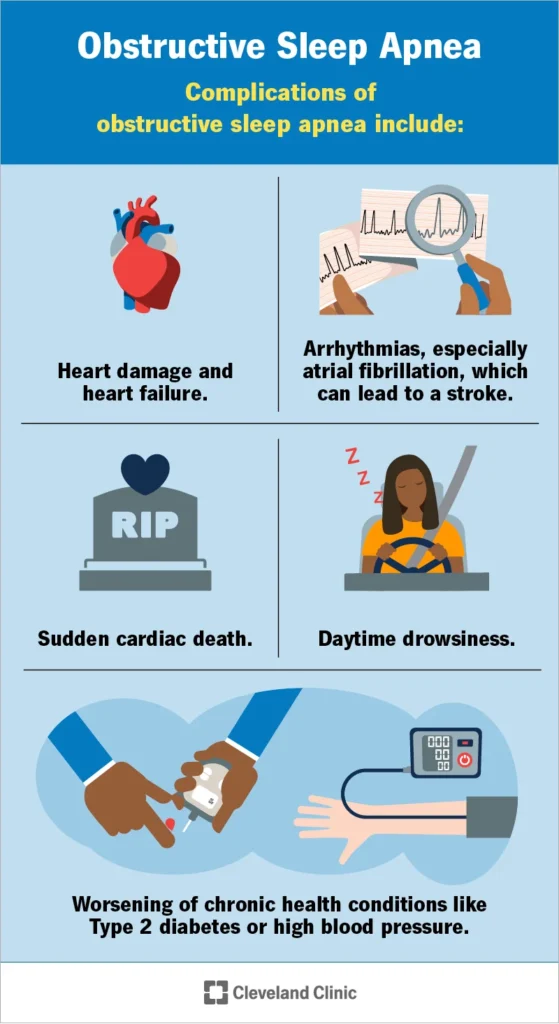
Workplace burnout also keeps sleep in the headlines. When your day runs long, your bedtime gets squeezed. Then you’re more likely to crash on your back, snack late, or have a nightcap. Those patterns can make snoring louder and sleep feel less restorative.
Seasonal shifts come up a lot too. If you’ve been searching Why Winter Can Make Sleep Apnea Worse, you’re not alone. Colder months often mean dry indoor heat, more congestion, and less outdoor activity. For some people, that mix can nudge nighttime breathing in the wrong direction.
What matters medically (without the hype)
Snoring happens when airflow meets resistance and nearby tissues vibrate. That resistance can come from several places: nasal congestion, a relaxed jaw that falls back, tongue position, alcohol close to bedtime, or simply sleeping flat on your back.
Snoring also sits on a spectrum. On one end, it’s “annoying but otherwise fine.” On the other end, it can overlap with sleep-disordered breathing, including obstructive sleep apnea. Recent coverage keeps highlighting a simple point: people miss signs because they normalize them.
Common “missed” clues that your sleep quality is taking a hit
- Waking up unrefreshed even after enough hours in bed
- Morning headaches or dry mouth
- Daytime sleepiness, irritability, or brain fog
- Someone notices choking, gasping, or breathing pauses
- High snoring volume that changes with alcohol, illness, or season
Medical note: This article is educational, not medical advice. If you suspect sleep apnea or have significant symptoms, talk with a licensed clinician or a sleep specialist for evaluation.
How to try a practical at-home plan (tonight)
Skip the complicated “20-step sleep biohack.” Use a short checklist. It’s easier to follow, and it helps you learn what actually changes your snoring.
Step 1: Reduce airway friction
- Address nasal stuffiness: consider saline rinse or a humidifier if your air is dry.
- Keep allergens down: fresh pillowcase, cleaner bedroom air, and fewer irritants.
- Avoid heavy meals right before bed if they worsen reflux for you.
Step 2: Change the position that changes everything
Back-sleeping often makes snoring worse because the jaw and tongue can drift backward. Try side-sleeping. A body pillow can make it stick, especially when you’re exhausted from travel or a long work stretch.
Step 3: Tighten the timing (simple, not perfect)
- Cut alcohol close to bedtime when possible. It relaxes airway muscles.
- Give yourself a wind-down buffer so you’re not falling asleep mid-scroll.
- Keep wake time consistent on most days, even if bedtime varies a bit.
Step 4: Where an anti-snoring mouthpiece fits
If your snoring seems tied to jaw drop, mouth breathing, or position, an anti snoring mouthpiece may help by supporting a more open airway during sleep. Think of it as a mechanical assist, not a magic fix.
Some people also like pairing approaches. If mouth opening is part of your pattern, a combo can be appealing. One option is an anti snoring mouthpiece so you can address jaw position and mouth opening together.
Quick comfort and safety checks
- If you have jaw pain, dental issues, or TMJ history, consider professional guidance before using any oral device.
- Follow fitting and cleaning directions closely to reduce irritation.
- Stop if you develop persistent pain, numbness, or worsening symptoms.
When to stop experimenting and seek help
Home tweaks are fine for simple snoring. Still, don’t let “sleep gadget culture” delay the basics when symptoms look serious.
Get checked sooner if you notice:
- Breathing pauses, choking, or gasping during sleep
- Excessive daytime sleepiness or drowsy driving risk
- High blood pressure concerns or heart risk factors (discuss with your clinician)
- Snoring that escalates quickly or comes with new, severe fatigue
A sleep evaluation can clarify what’s going on. It also helps you choose the right solution instead of cycling through devices.
FAQ
Do anti-snoring mouthpieces work for everyone?
No. They can help certain patterns of snoring, but they won’t solve every cause.
How long does it take to get used to a mouthpiece?
Expect an adjustment period. Many people adapt over days to a couple of weeks.
What’s the difference between a mouthpiece and a chin strap?
A mouthpiece targets jaw/tongue position. A chin strap supports mouth closure for some sleepers.
Can snoring mean sleep apnea?
Sometimes. Loud snoring plus choking/gasping or daytime sleepiness is worth medical attention.
Is winter really worse for snoring and breathing at night?
It can be, especially with dry air and congestion. Your environment matters.
CTA: Choose the next step that actually moves the needle
If snoring is stealing sleep quality (yours or your partner’s), don’t just collect gadgets. Pick one change, track it for a week, then add the next.
How do anti-snoring mouthpieces work?
Medical disclaimer: This content is for general education only and is not a substitute for medical advice, diagnosis, or treatment. If you suspect sleep apnea or have significant symptoms, consult a qualified healthcare professional.