
Snoring is having a moment. Not the glamorous kind—more like the “my partner recorded it and now it’s a running joke” kind.
Add travel fatigue, new sleep gadgets, and workplace burnout, and people are chasing quick fixes harder than ever.
Thesis: Treat snoring like a sleep-quality problem first—then choose the simplest tool that matches the cause, including an anti snoring mouthpiece when it fits.
Start here: what snoring is really doing to your sleep
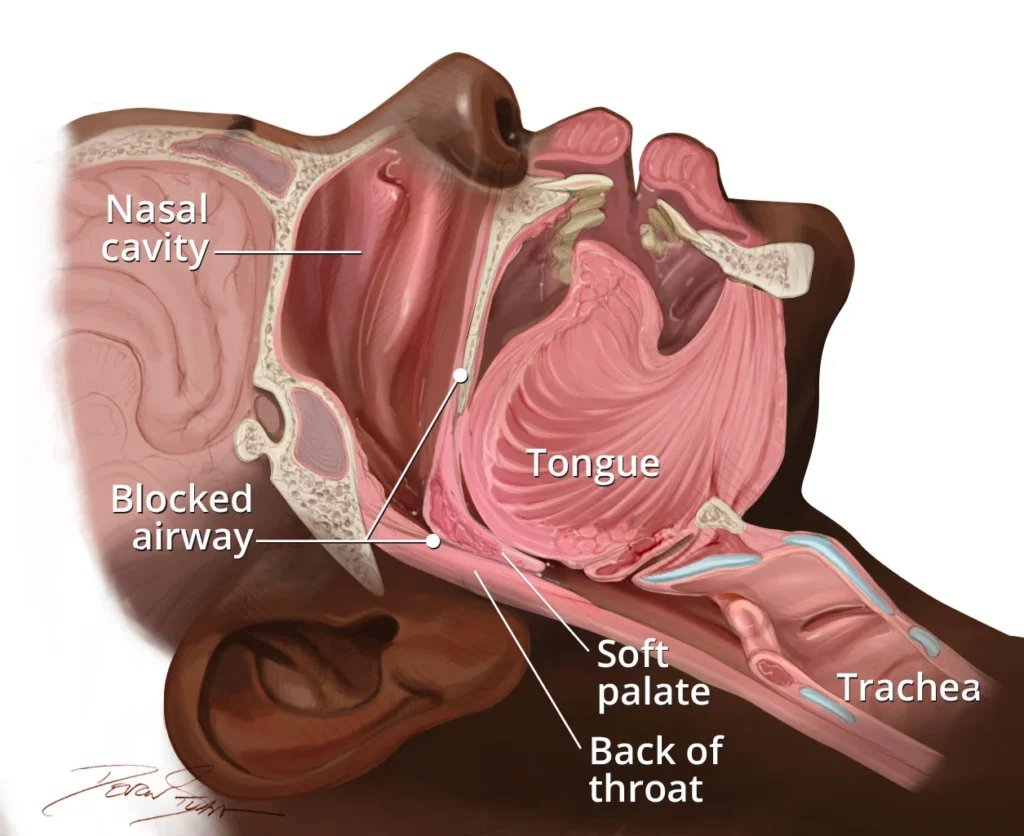
Snoring can be “just noise,” but it can also be a clue that airflow is getting squeezed while you sleep. Either way, it fragments rest. That shows up as lighter sleep, more awakenings, and worse mornings.
Recent health coverage keeps circling the same point: persistent snoring can overlap with obstructive sleep apnea, which is tied to broader health risks. You don’t need to panic. You do need a plan.
If you want a quick medical baseline, scan a trusted overview like Preventing Alzheimer’s disease and dementia by treating obstructive sleep apnea. Then come back to the decision guide below.
The no-drama decision guide (If…then…)
Skip the endless scrolling. Use these branches to match your likely snoring pattern to a reasonable next step.
If snoring is worst on your back, then think “jaw and tongue position”
Back sleeping often lets the jaw relax and the tongue fall back. That narrows the airway and makes tissues vibrate. It’s also why some people snore louder after a long flight, a late dinner, or a week of short sleep.
Then: An anti snoring mouthpiece may be a good first tool. Look for a design that gently positions the lower jaw forward (common in mandibular advancement styles). Comfort matters more than “maximum adjustment.”
If snoring is paired with dry mouth or mouth-breathing, then prioritize seal + comfort
Many snorers sleep with their mouth open. That can dry tissues, irritate the throat, and amplify noise. It also makes you feel “unrested” even if you logged enough hours.
Then: Choose a mouthpiece approach that you can actually keep in all night. A device that feels bulky or forces an aggressive jaw shift usually fails on adherence. Start with fit and tolerability, not bravado.
If snoring ramps up with congestion, then don’t expect a mouthpiece to fix your nose
When the nose is blocked, airflow gets turbulent and you may default to mouth-breathing. That can worsen snoring regardless of jaw position. This is common during seasonal allergies, dry hotel rooms, or winter heating.
Then: Consider addressing nasal comfort first (humidity, gentle saline rinses, allergy management per label directions). A mouthpiece can still help some people, but it won’t “open” nasal passages by itself.
If your partner reports pauses, choking, or gasping, then treat it as a red flag
Relationship humor is real—until it isn’t. Loud snoring plus witnessed breathing pauses, sudden snorts, or gasping deserves medical attention. Daytime sleepiness, morning headaches, and high blood pressure can also be clues.
Then: Get evaluated for sleep apnea. A mouthpiece may still be part of a clinician-guided plan, but you don’t want to self-manage a condition that can affect heart and brain health.
If you’re shopping because you’re burned out, then focus on “sleep friction”
Burnout makes people buy gadgets. Some help. Many add friction: charging, apps, subscriptions, noisy fans, complicated routines.
Then: Pick one low-friction change. A mouthpiece is appealing because it’s simple—no batteries, no data dashboards. Just make sure you can clean it easily and wear it consistently.
Anti-snoring mouthpiece basics (tools + technique)
Most mouthpieces for snoring work by changing positioning. The goal is steadier airflow, not brute force.
Fit: the only “feature” that matters if you want to keep using it
A poor fit leads to drooling, sore teeth, jaw tension, or you ripping it out at 2 a.m. If you have dental crowns, braces, significant gum issues, or TMJ pain, consider professional input before using any oral device.
Adjustment: small moves beat big jumps
For adjustable styles, tiny forward changes are often the sweet spot. Over-advancing can create jaw soreness and headaches. The right setting is the one that reduces noise without making mornings worse.
Positioning: pair it with the easiest win—side sleeping
If your snoring is positional, combine the mouthpiece with side sleep. That combo often outperforms either strategy alone. Keep it simple: a pillow tweak or a body pillow can be enough.
Cleanup: keep it boring and consistent
Rinse after use. Brush gently with a soft toothbrush and mild soap as directed by the manufacturer. Let it dry fully. A funky mouthpiece is a fast way to quit.
What people are buying right now (and what to ignore)
Sleep tech is everywhere: rings, trackers, smart alarms, “recovery scores.” They can be motivating, but they won’t stop vibration in your airway. If the problem is snoring, address snoring.
If you want to compare options without getting lost, start with a focused page like anti snoring mouthpiece. Look for comfort, material quality, and a design that matches your likely cause (positional/jaw-related vs. congestion-driven).
FAQs (quick answers)
Can women snore for different reasons?
Yes. Snoring can be influenced by anatomy, nasal congestion, sleep position, weight changes, alcohol, and life stages that affect airway tone. The practical approach is the same: match the fix to the pattern and watch for apnea red flags.
Is snoring always a health problem?
Not always, but it can be. Persistent, loud snoring with daytime symptoms or witnessed breathing disruptions deserves evaluation.
Can I combine a mouthpiece with other sleep habits?
Usually, yes. Side sleeping and consistent sleep timing pair well. Avoid stacking too many new changes at once so you can tell what’s working.
CTA: get the simple explanation before you buy
Want the straightforward breakdown—no hype, no complicated setup?
How do anti-snoring mouthpieces work?
Medical disclaimer: This article is for general education and is not medical advice. Snoring can be a symptom of obstructive sleep apnea or other conditions. If you have choking/gasping, witnessed breathing pauses, severe daytime sleepiness, chest pain, or high blood pressure concerns, seek evaluation from a qualified clinician.