
Before you try anything tonight, run this quick checklist:
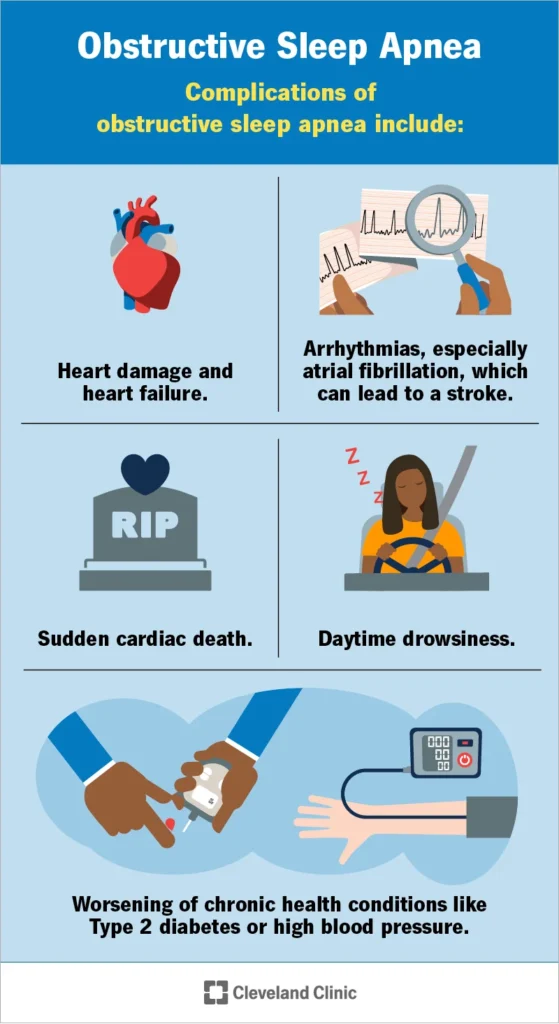
- Is it snoring… or something bigger? If there’s gasping, choking, or heavy daytime sleepiness, treat it like a priority.
- Are you chasing gadgets instead of basics? Sleep trackers and “smart” pillows are trendy, but routine often beats tech.
- Do you want a low-drama, budget move? An anti snoring mouthpiece can be a practical next step for many people.
- Will your partner notice? If yes, you’ll stick with the plan longer. Relationship humor aside, shared sleep matters.
Overview: why snoring is trending again (and why you care)
Snoring is having a moment in the headlines because people are tired—literally. Between travel fatigue, cold-season congestion, and workplace burnout, more folks are talking about sleep quality like it’s part of their health plan. It is.
Recent coverage has also highlighted seasonal concerns around breathing at night and renewed attention to sleep apnea education. At the same time, new clinical research is testing fresh anti-snoring device ideas, which keeps the topic in everyone’s feed.
If you’re trying to improve sleep without wasting a month on random hacks, focus on two things: airflow and consistency. Mouthpieces target airflow mechanics. Your routine handles the rest.
Timing: when to test changes so you don’t fool yourself
Snoring is inconsistent. One late dinner, one drink, one stuffy night, and the “result” changes. To get a real read, pick a simple testing window.
A realistic 14-night experiment
- Nights 1–3: Expect adjustment. Comfort matters more than perfection.
- Nights 4–10: Track patterns (snoring volume, wake-ups, dry mouth, partner feedback).
- Nights 11–14: Decide if it’s helping enough to keep.
Also, don’t “sleep in” to compensate. Some recent wellness commentary has pointed out that staying in bed longer can backfire for certain people, especially if it disrupts your wake time. Aim for a steady schedule you can repeat.
Supplies: what you actually need (skip the gimmicks)
- Your mouthpiece (and any included fitting tools)
- A mirror and decent lighting
- A toothbrush + mild soap or cleaner recommended by the manufacturer
- A small case so it doesn’t end up on the nightstand collecting dust
- Optional: nasal saline or strips if congestion is part of your snoring pattern
Keep it simple. The goal is fewer wake-ups, not a bedside “sleep gadget” museum.
Step-by-step (ICI): a practical mouthpiece routine
This is an ICI plan: Identify your pattern, Choose one change, then Iterate based on results.
1) Identify what’s most likely driving your snoring
Use plain clues. No lab needed to start.
- Mostly on your back: position may be the main trigger.
- Worse after alcohol or heavy meals: airway relaxation and reflux can contribute.
- Worse in winter or with allergies: congestion can narrow airflow. Seasonal warnings about sleep-related breathing problems are a useful reminder here.
- Every night + unrefreshed mornings: consider screening for sleep apnea.
If you want a quick, credible read on seasonal breathing concerns, see this Doctor warns of winter sleep apnea risks.
2) Choose the right “first” move (budget-friendly)
If your snoring seems position- or airflow-related and you want something you can try at home, an anti-snoring mouthpiece is often the most direct experiment. It’s also easier to evaluate than a pile of supplements or a new mattress.
Many mouthpieces work by helping keep the airway more open during sleep. Some people pair a mouthpiece with a chinstrap to support closed-mouth breathing if that’s part of the issue.
If you’re comparing options, you can look at an anti snoring mouthpiece and decide if the “two-in-one” approach fits your situation.
3) Iterate: dial in comfort so you’ll actually use it
- Fit comes first. If it hurts, you won’t stick with it. Make small adjustments if the product allows.
- Give your jaw time. Mild soreness can happen early on. Sharp pain is a stop sign.
- Pair it with one habit change. Try side-sleeping or earlier last-call for alcohol. Don’t change five things at once.
- Measure something simple. Partner rating (0–10), number of wake-ups, or morning dryness works fine.
Think of it like a travel reset: you don’t fix jet lag with one perfect hack. You stack a few boring basics and keep the ones that work.
Mistakes that waste a cycle (and how to avoid them)
Using it one night and quitting
Night one is rarely the truth. Give it a fair trial window unless you have pain or concerning symptoms.
Ignoring nasal congestion
If your nose is blocked, your mouth does more work. That can sabotage comfort and results. Address dryness and congestion in a basic way, especially during colder months.
Trying to “out-sleep” bad sleep
Staying in bed longer can leave you groggy if it disrupts your rhythm. A consistent wake time often helps more than extra time under the covers.
Missing red flags for sleep apnea
Educational resources keep stressing this for a reason. If there’s loud nightly snoring plus gasping, choking, or major daytime sleepiness, don’t treat it as a DIY-only problem.
FAQ: quick answers people ask right now
Is snoring just annoying, or is it a health issue?
It can be either. Some snoring is benign, but persistent loud snoring may signal airway narrowing and deserves attention—especially with daytime symptoms.
What’s the simplest way to tell if my sleep quality is improving?
Look for fewer wake-ups, less morning headache or dry mouth, and better daytime energy. Partner feedback is also useful.
Can sleep gadgets replace an anti-snoring mouthpiece?
Trackers can show patterns, but they usually don’t change airway mechanics. If snoring is the problem, a targeted tool plus routine changes often makes more sense.
Next step: keep it simple and get your nights back
If you want a practical, at-home experiment that doesn’t require buying five trending sleep products, start with a focused plan: consistent timing, one supportive habit, and a mouthpiece you can tolerate.
How do anti-snoring mouthpieces work?
Medical disclaimer: This article is for general education and does not provide medical advice. It does not diagnose, treat, or replace care from a qualified clinician. If you suspect sleep apnea or have symptoms like gasping/choking during sleep, chest pain, severe daytime sleepiness, or persistent insomnia, seek medical evaluation.