
Is your snoring wrecking your sleep quality?
Are sleep gadgets (tape, trackers, mouthpieces) actually helping—or just trending?
Do you need an anti snoring mouthpiece, or is this something bigger like sleep apnea?
This post answers those three questions with a direct, practical lens. Snoring is having a moment in the wellness world. People are trying everything from travel-friendly sleep kits to “hacky” bedtime add-ons. Meanwhile, partners are trading jokes about “separate blankets” and “separate bedrooms” that stop being funny at 2:17 a.m.
Let’s sort what matters: what snoring can mean, where a mouthpiece fits, and how to use one without turning bedtime into a science project.
Why is everyone suddenly talking about snoring and sleep quality?
Because poor sleep is showing up everywhere. You see it in burnout conversations, in productivity culture, and in the flood of new sleep devices. Add travel fatigue—late flights, hotel pillows, different time zones—and snoring complaints get louder fast.
Snoring also has a relationship cost. The snorer often sleeps through it. The listener doesn’t. That mismatch is why “sleep divorce” jokes land on social media—then quietly turn into real frustration.
Snoring basics (what’s actually making the sound)
Snoring usually happens when airflow gets turbulent and soft tissues vibrate. Common contributors include sleep position, nasal congestion, alcohol near bedtime, and jaw or tongue position.
Some nights are louder because your body is “stacking the deck”: stress, dehydration, a cold, or a weird pillow from a work trip.
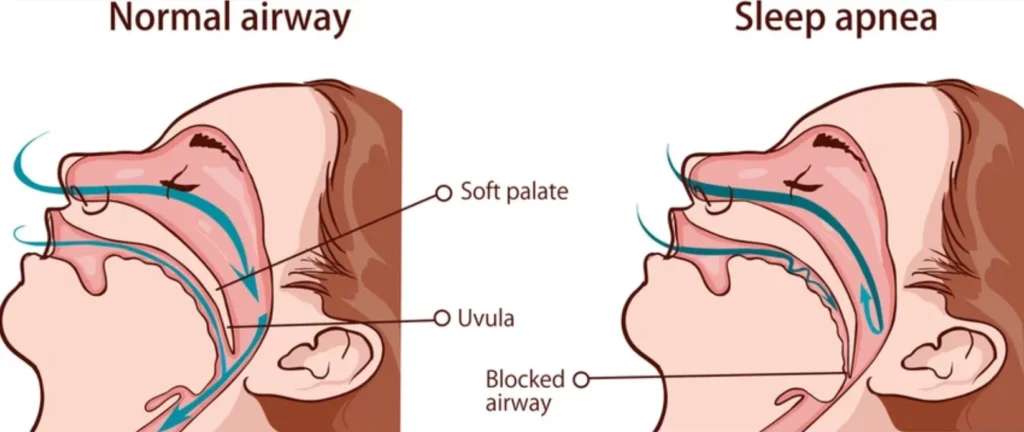
Is it simple snoring—or could it be sleep apnea?
This is the most important fork in the road. Snoring can be harmless. It can also be a sign of obstructive sleep apnea (OSA), which needs medical evaluation.
Red flags that should push you toward a clinician
- Witnessed breathing pauses, gasping, or choking during sleep
- Excessive daytime sleepiness, morning headaches, or trouble focusing
- High blood pressure or other cardiometabolic risk factors (ask your clinician)
- Loud snoring that’s frequent and worsening
If those sound familiar, don’t “gear shop” your way around it. Get assessed. A mouthpiece may still be part of the plan, but you want the right plan.
Do anti-snoring mouthpieces help—and how do they work?
An anti snoring mouthpiece is designed to reduce vibration by changing positioning. Many options focus on gently bringing the lower jaw forward (often called a mandibular advancement approach). Others focus on tongue placement.
Think of it like moving a chair away from a doorway. Air has more space to pass, so it’s less likely to rattle the “doorframe” of soft tissue.
When a mouthpiece is a good match
- Your snoring is worse on your back
- You wake with dry mouth (often tied to open-mouth breathing)
- Your partner reports steady snoring rather than dramatic pauses and gasps
- You want a non-powered tool (no charging, no app, no settings)
When it may be the wrong tool
- Strong sleep apnea symptoms (get evaluated)
- Significant jaw pain, loose teeth, or major dental issues
- You can’t tolerate anything in your mouth during sleep
What about mouth tape and other “viral” sleep add-ons?
Mouth tape is getting a lot of attention as a way to encourage nasal breathing and reduce open-mouth sleeping. It also comes with real cautions, especially if you have nasal obstruction or any breathing concerns.
If you’re curious, read a balanced overview like Mouth Tape for Sleep: Benefits, Risks, and How to Use It Safely before you try it.
Bottom line: tape and mouthpieces solve different problems. Tape doesn’t reposition your jaw. A mouthpiece doesn’t fix chronic nasal blockage. Don’t treat them as interchangeable.
How do you make an anti-snoring mouthpiece actually comfortable? (Tools + technique)
This is where most people win or quit. Comfort is the whole game.
1) Fit: aim for secure, not tight
A good fit feels stable. It should not feel like it’s clamping your bite. If you wake up with sharp jaw pain, that’s not “normal adjustment.” That’s a sign to reassess.
2) Positioning: pair it with smarter sleep posture
If you snore on your back, try side-sleeping support (a body pillow, a backpack-style positional aid, or a simple pillow strategy). A mouthpiece plus position change often beats either one alone.
3) ICI basics: introduce, check, improve
- Introduce: Wear it for short periods before sleep for a few nights.
- Check: Notice jaw soreness, gum irritation, or drooling. Mild changes can happen early; sharp pain shouldn’t.
- Improve: Adjust your routine—hydration, nasal rinse (if appropriate), side sleeping, and consistent bedtime.
4) Cleanup: keep it simple and consistent
Rinse after use. Brush gently with mild soap. Let it air-dry fully. Skip hot water unless the instructions say it’s safe, because heat can warp some materials.
What device setup are people choosing right now?
The current trend is “stacking” small tools: a mouthpiece, maybe a chinstrap for mouth-opening, and a calmer pre-bed routine. People also want low-maintenance solutions that work during travel, not just at home.
If you’re looking for a combined option, consider an anti snoring mouthpiece. A combo can make sense when jaw positioning helps but open-mouth breathing still sabotages results.
Common quick wins that pair well with a mouthpiece
- Limit alcohol close to bedtime (it can relax tissues and worsen snoring)
- Address nasal stuffiness (especially during colds or allergy seasons)
- Keep a consistent sleep window when possible (burnout loves irregular nights)
- Make your travel kit boring but effective: nasal strips (if helpful), mouthpiece case, water
FAQs
Do anti-snoring mouthpieces work for everyone?
No. They tend to help most when snoring is linked to jaw position and soft-tissue vibration. If symptoms suggest sleep apnea, get evaluated first.
How long does it take to get used to a mouthpiece?
Many people adapt over several nights to a couple of weeks. Comfort, gradual wear time, and correct fit make the biggest difference.
Can I use a mouthpiece if I have TMJ or jaw pain?
Be cautious. Some designs can aggravate TMJ symptoms. Stop if pain worsens and talk with a dental or medical professional.
Is mouth tape the same as a mouthpiece?
No. Tape focuses on keeping lips closed; a mouthpiece changes jaw or tongue position. Each has different risks and may fit different snoring patterns.
What’s the easiest way to clean an anti-snoring mouthpiece?
Rinse after use, brush gently with mild soap, and let it air-dry. Avoid hot water that can warp materials unless the product instructions allow it.
Next step
If snoring is hurting your sleep quality, don’t overcomplicate it. Pick one solid tool, get the fit right, and track whether your mornings improve over two weeks.
How do anti-snoring mouthpieces work?
Medical disclaimer: This article is for general education and is not medical advice. Snoring can be a symptom of obstructive sleep apnea or other conditions. If you have breathing pauses, choking/gasping, significant daytime sleepiness, or worsening symptoms, seek evaluation from a qualified clinician.