
On a recent red-eye, an anonymous traveler nodded off the second the seatbelt sign went off. Ten minutes later, the snoring started. The row behind them laughed, the seatmate sighed, and by landing time everyone looked a little wrecked.
That’s the current vibe around sleep: people are tired, traveling more, juggling burnout, and shopping for quick fixes. Snoring turns into a relationship joke until it starts stealing real sleep quality. This guide keeps it practical, so you can try an anti snoring mouthpiece without wasting a month (or a paycheck).
Snoring right now: why the chatter is louder
Sleep is having a moment. New gadgets promise “perfect” tracking. Wellness trends bounce from nasal strips to mouth taping. Meanwhile, headlines keep reminding us that snoring can be more than a nuisance, especially when it overlaps with sleep apnea and heart health conversations.
One key point: not all breathing issues during sleep are the same. Discussions often compare obstructive patterns (airway collapses or narrows) with central patterns (the brain’s breathing signals misfire). If you want a plain-language overview to start that comparison, see Central Sleep Apnea vs. Obstructive Sleep Apnea: Which Is More Serious?.
A no-waste decision guide (If…then…)
Use these branches like a quick filter. You’re aiming for the simplest option that matches your situation.
If your snoring is “mostly annoying,” then start with low-cost checks
- If snoring is worse on your back, then try side-sleep cues (pillow support, backpack/tennis-ball trick, or a side-sleep pillow).
- If snoring spikes after drinks or heavy late meals, then shift alcohol earlier and keep dinner lighter.
- If you’re congested, then focus on nasal breathing support (humidifier, saline rinse, allergy plan). A mouthpiece won’t fix a blocked nose.
These steps are boring. They’re also cheap, and they improve sleep quality even if snoring doesn’t vanish.
If you wake up tired, then treat snoring like a sleep-quality problem
Snoring often pairs with fragmented sleep. That can show up as brain fog, moodiness, or “I slept 8 hours but feel like I didn’t.”
- If your schedule swings (late nights, weekend catch-up), then tighten your wake time first. It anchors your body clock.
- If your brain won’t shut off, then set a short wind-down routine: dim lights, one calming activity, phone out of bed.
- If you keep doomscrolling sleep tips, then pick one change for 7 nights and measure it.
This matches the “fresh start” sleep advice people share each new year: build sleep drive, protect circadian rhythm, clean up sleep hygiene, and reduce pre-bed overthinking.
If your partner says you “stop breathing,” then don’t DIY the whole thing
Some signs should move you out of the bargain-hack lane:
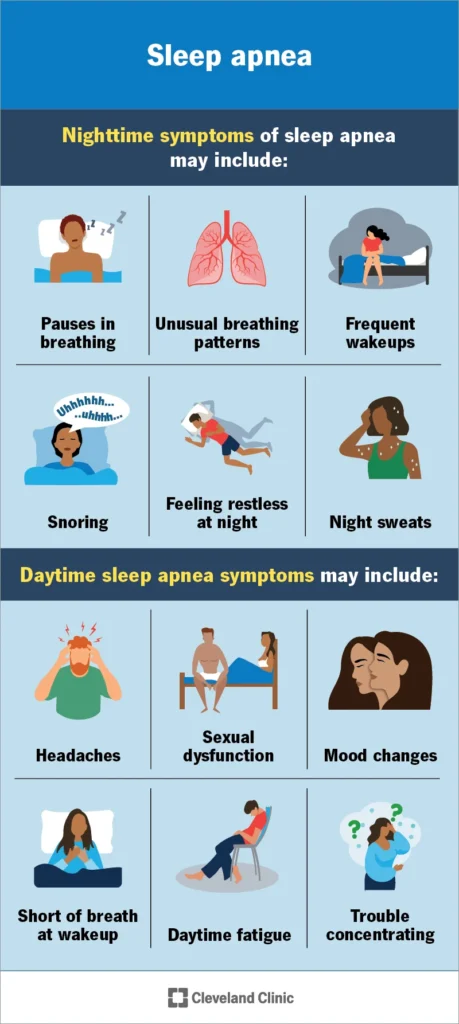
- Witnessed breathing pauses, choking, or gasping
- Morning headaches, high daytime sleepiness, or dozing while driving
- High blood pressure concerns or heart risk discussions with your clinician
If any of these fit, then consider a medical evaluation for sleep apnea. A mouthpiece may still be part of a plan, but it shouldn’t be your only plan.
If your snoring seems jaw-position related, then an anti snoring mouthpiece may be a smart test
Mouthpieces are popular because they’re a tangible “do it at home” step. Many are designed to help by positioning the jaw and tongue forward to keep the airway more open during sleep.
- If you snore more when you’re deeply asleep, then a mouthpiece may help reduce the vibration that comes from partial airway narrowing.
- If you wake with a dry mouth, then you may be mouth-breathing. A combo approach (mouthpiece + chin support) can be worth considering.
- If you have significant jaw pain, loose teeth, or dental instability, then pause and get dental guidance first.
Want a product option that targets both jaw position and mouth opening? Here’s a related search many people use: anti snoring mouthpiece.
If you’re tempted by viral sleep hacks, then sanity-check them
Mouth taping gets talked about as a way to encourage nasal breathing. The problem is that it’s not universally safe or comfortable. Nasal blockage, allergies, and possible sleep apnea can make it a bad experiment.
If you’re chasing the trend because you want fewer gadgets, then start with nasal support and a consistent bedtime routine. Those are “no new device” wins.
How to run a 14-night test (so you don’t waste a cycle)
- Pick 2 metrics: morning energy (1–10) and snoring feedback (partner rating or a simple recording app).
- Change one thing at a time: mouthpiece alone first, then add side sleeping or chin support if needed.
- Watch comfort signals: gum soreness, jaw pain, tooth pressure, or headaches mean “stop and reassess.”
- Keep expectations realistic: you’re aiming for quieter nights and better sleep quality, not perfection on night one.
FAQs (quick answers)
Can an anti snoring mouthpiece help with sleep apnea?
Some mouthpieces may be used in clinician-guided plans for certain people, but sleep apnea needs proper evaluation. If you suspect apnea, start with medical screening.
What if snoring only happens when I’m exhausted?
Travel fatigue, burnout weeks, and irregular sleep can deepen sleep stages and worsen snoring. A consistent schedule plus a mouthpiece trial may help you stabilize.
Will a mouthpiece help if my nose is blocked?
Not reliably. Nasal congestion can drive mouth breathing and snoring. Address nasal issues alongside any mouthpiece experiment.
CTA: get a clear, simple next step
Snoring is common, but your sleep quality matters. If you want a practical way to test whether jaw position is part of your snoring, start with a mouthpiece approach and track results for two weeks.
How do anti-snoring mouthpieces work?
Medical disclaimer: This article is for general education only and isn’t medical advice. Snoring can be a sign of sleep apnea or other health conditions. If you have breathing pauses, choking/gasping, severe daytime sleepiness, chest pain, or concerns about heart health, seek evaluation from a qualified clinician.