
Before you try another sleep hack, run this quick checklist:
- Confirm the problem: Is it snoring noise, poor sleep quality, or both?
- Watch for red flags: choking/gasping, long pauses in breathing, morning headaches, or strong daytime sleepiness.
- Pick one tool at a time: mouthpiece, nasal support, or sleep-position changes—don’t stack five gadgets on night one.
- Set a comfort plan: fit, saliva control, and a simple cleaning routine.
- Agree on a “relationship protocol”: what your partner should do if snoring ramps up (nudge, reposition, or note patterns).
The big picture: why snoring is trending again
Sleep is having a cultural moment. People are buying trackers, testing new bedtime routines, and comparing notes on “sleep optimization” the way they used to talk about coffee beans. Add travel fatigue, late-night screens, and workplace burnout, and it makes sense that snoring and sleep quality keep popping up in headlines.
Snoring isn’t just a punchline. It can fragment sleep for the snorer and anyone nearby. Even when it’s not dangerous, it can still be disruptive, which is why an anti snoring mouthpiece keeps showing up in best-of lists and reviews.
At the same time, broader conversations about obstructive sleep apnea are getting more attention. If you want a general, non-technical read that reflects that public interest, see this An inspirational solution to obstructive sleep apnea from CommonSpirit Health.
The human side: it’s not “just snoring” when sleep gets tense
Snoring is one of those relationship issues that can turn funny… until it isn’t. Sleep loss makes people less patient, more reactive, and more likely to argue about small stuff. The snorer often feels embarrassed. The listener feels trapped between “I need sleep” and “I don’t want to be mean.”
If you’re in that spot, aim for teamwork. Treat snoring like a shared logistics problem, not a character flaw. A simple plan can lower the temperature fast.
Where an anti-snoring mouthpiece fits (and why it’s popular)
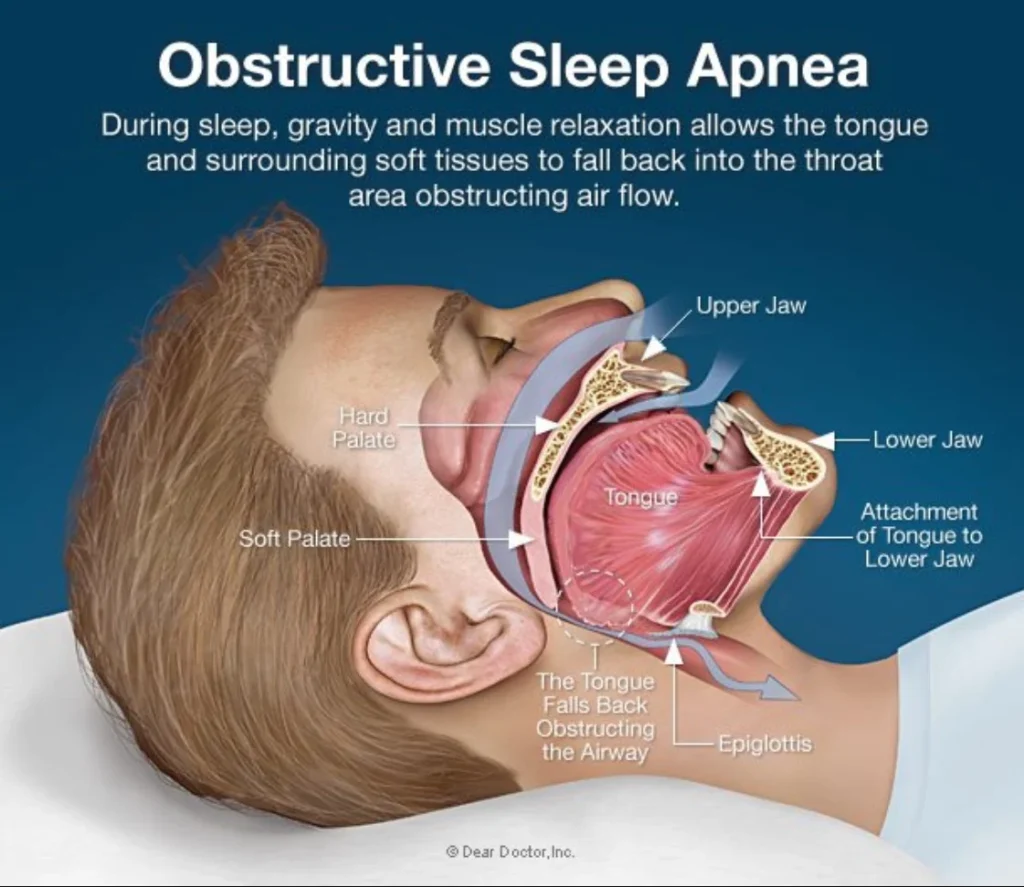
A mouthpiece is popular because it targets a common mechanism: as you relax, the jaw and tongue can drift backward and narrow the airway. That narrowing can create vibration (snoring) and more resistance to airflow.
Many mouthpieces work by gently positioning the lower jaw forward. You’ll also see options that pair mouth support with a chinstrap, which can help some people keep a steadier mouth position through the night.
Quick reality check: mouthpiece vs. “viral” sleep tricks
Trendy ideas like mouth taping get attention because they look simple on video. Real life is messier. If your nose gets congested, or you suspect sleep apnea, the “simple” trick can become uncomfortable or risky. A mouthpiece is also not for everyone, but at least it’s designed for airway mechanics rather than internet dares.
Practical steps: a no-drama setup plan
Use this sequence to reduce guesswork and avoid the classic “I tried it once and hated it” outcome.
Step 1: Pick your primary goal
- Goal A: reduce snoring volume so your partner can sleep.
- Goal B: reduce your own awakenings and improve sleep quality.
- Goal C: create a data point to discuss with a clinician if symptoms suggest apnea.
One goal keeps your trial focused. Otherwise, you’ll change five variables and learn nothing.
Step 2: Build comfort on purpose (first week)
- Start small: wear it for 30–60 minutes before sleep while reading or winding down.
- Expect extra saliva: it often improves as you adapt.
- Don’t “crank” forward on night one: gradual adjustment usually feels better and is easier on the jaw.
Step 3: Use positioning as a multiplier
For many people, back-sleeping makes snoring louder. Side-sleeping can reduce it. If you travel for work, this matters even more because hotel pillows and fatigue can push you into positions you don’t use at home.
Try a supportive pillow or a simple “side-sleep cue” (like hugging a pillow). Keep it low effort. The best plan is the one you’ll repeat.
Step 4: Keep cleanup boring and consistent
Rinse after use and clean it as directed by the manufacturer. Store it dry. A mouthpiece that tastes weird or feels grimy won’t last long in your routine.
Safety and testing: when to DIY and when to get checked
Snoring sits on a spectrum. Some snoring is mainly a noise issue. Some snoring is a warning sign. The tricky part is that you can’t always tell which bucket you’re in based on sound alone.
Signs you should talk to a clinician about sleep apnea
- Breathing pauses witnessed by a partner
- Choking, gasping, or abrupt awakenings
- Severe daytime sleepiness or dozing off easily
- Morning headaches or waking unrefreshed most days
If those show up, a mouthpiece may still be part of the solution, but you’ll want the bigger picture. Public-facing explainers from medical systems have been in the news recently, and the main message is consistent: sleep apnea is common and treatable, and it’s worth evaluating.
Jaw comfort and bite changes: take them seriously
Mild soreness early on can happen. Persistent pain, clicking that worsens, or concerns about tooth movement are reasons to pause and get guidance. Your mouth is not a “power through it” body part.
Medical disclaimer: This article is for general education and does not replace medical advice. If you suspect sleep apnea or have ongoing symptoms, consult a qualified clinician for evaluation and treatment options.
FAQ: quick answers people want right now
Can an anti snoring mouthpiece help if I’m exhausted from travel?
It might, since travel fatigue can deepen sleep and increase airway relaxation. Still, hydration, sleep position, and nasal congestion management can matter just as much on the road.
What if my snoring is mostly through my nose?
You may want to look at nasal airflow support too. Some research reviews have looked at nasal dilators for sleep-disordered breathing, with mixed results depending on the person and the cause of resistance.
Do sleep trackers prove a mouthpiece is working?
They can show trends like fewer awakenings, but they aren’t diagnostic tools. Combine tracker info with real-world outcomes: partner reports, morning energy, and fewer night wakings.
CTA: choose a simple setup you can actually stick with
If you want a practical option that combines jaw support with added stability, consider an anti snoring mouthpiece. Keep your first week focused on comfort and consistency.