
Is snoring “just noise,” or is it stealing your sleep?
Do anti-snoring mouthpieces actually help, or are they another viral sleep gadget?
When should you stop experimenting and get checked for sleep apnea?
Snoring sits at the intersection of health, relationships, and modern burnout. People are testing wearables, bedtime “hacks,” and every new sleep accessory that shows up in feeds. The goal is simple: wake up feeling normal again.
This guide keeps it direct. You’ll get the big picture, the real-life factors (yes, including partner frustration), practical steps to try, and the safety line you shouldn’t cross.
The big picture: why snoring trashes sleep quality
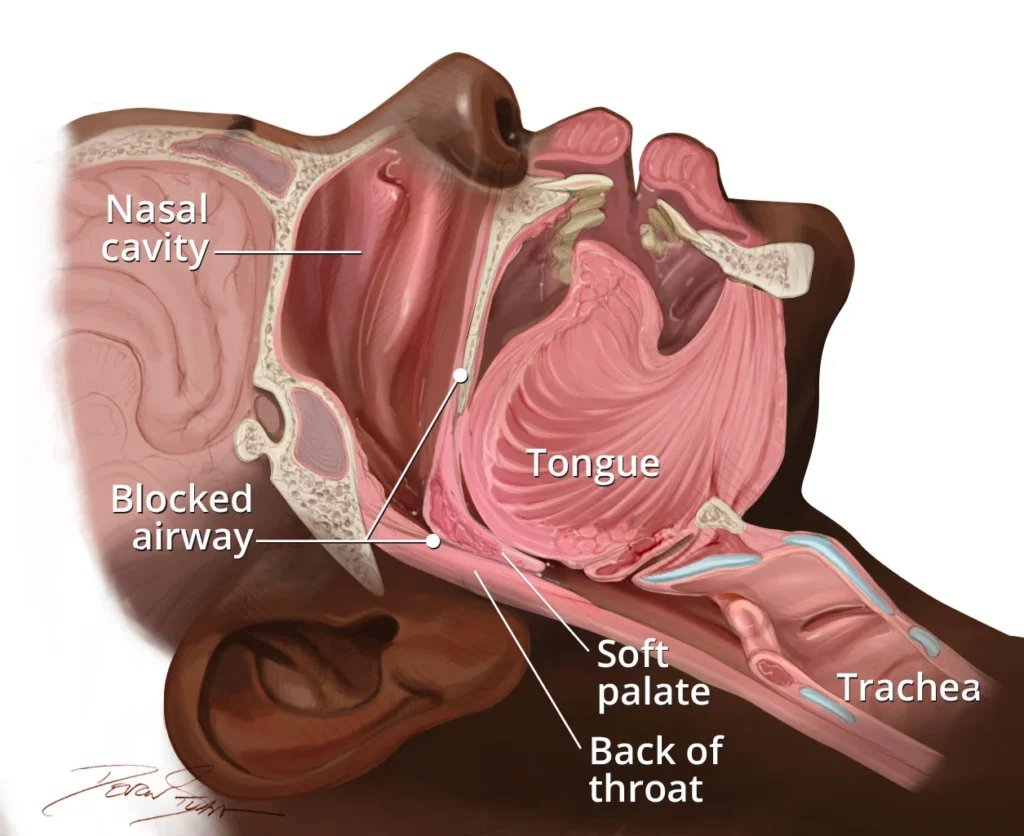
Snoring happens when airflow is partially blocked and tissues in the throat vibrate. That vibration can be loud. It can also be a signal that your breathing is working harder than it should at night.
Even if you don’t fully wake up, snoring can fragment sleep. Your partner may wake repeatedly too. That’s how one snorer turns into two tired people.
Why it feels so “everywhere” right now
Sleep has become a culture topic. People compare ring scores, track recovery, and trade routines like they trade workout plans. Add travel fatigue, late-night screens, and workplace stress, and you get a perfect storm for snoring flare-ups.
There’s also a steady stream of product reviews and consumer-style testing around mouthpieces. If you’ve seen headlines asking whether a specific anti-snoring device “really works,” you’re not imagining it. People want a clear answer before they spend money and risk a sore jaw.
The emotional side: couples, roommates, and the “snore tax”
Snoring isn’t only a medical-adjacent issue. It’s a relationship issue. The jokes about “sleep divorce” land because they’re familiar.
Resentment builds when one person can’t sleep and the other says, “I didn’t even notice.” If you’re the snorer, you may feel blamed for something you can’t control. If you’re the listener, you may feel trapped in a nightly loop of nudging, earplugs, and frustration.
The fastest way to lower the temperature is to treat it like a shared problem with a shared plan. Aim for measurable changes: fewer wake-ups, less morning grogginess, and less noise.
Practical steps: what to try this week (without overcomplicating it)
Skip the 12-step reinvention. Use a short sequence so you can tell what helped.
Step 1: Run a quick “snore pattern” check
- Timing: Is it all night, or mostly early morning?
- Position: Worse on your back?
- Triggers: Alcohol, congestion, big late meals, or travel days?
- Daytime impact: Headaches, dry mouth, or heavy sleepiness?
This isn’t a diagnosis. It’s a way to choose the right first move.
Step 2: Borrow the spirit of popular “sleep routine” hacks
Routine trends come and go, but the theme is consistent: reduce late stimulation and set up sleep earlier than you think you need. If you’re always pushing bedtime, you’re more likely to crash into deeper sleep quickly, end up on your back, and snore harder.
Pick two changes you’ll actually do. For example: dim lights earlier and stop alcohol close to bedtime. Keep it simple for seven nights.
Step 3: Consider an anti snoring mouthpiece when the pattern fits
An anti snoring mouthpiece is designed to support airflow by changing jaw or tongue position during sleep. It’s not “sleep tech” in the app sense, but it’s a gadget people talk about because it’s tangible and immediate.
It may be worth considering if:
- Your snoring is worse on your back.
- You wake with dry mouth and your partner reports steady snoring (not repeated gasps).
- You want a low-friction option you can use at home or while traveling.
If you’re comparing options, start here: anti snoring mouthpiece.
Step 4: Make it testable (so you don’t guess)
Use a two-week trial window. Track only three things: partner-rated loudness, your morning energy, and whether you kept the device in all night.
If you want outside context on the broader conversation around mouthpiece testing and reviews, see: SleepZee Reviews (Consumer Reports) Does This Anti-Snoring Mouthpiece Really Work?.
Safety and testing: when a mouthpiece is not the right next step
Snoring can overlap with sleep apnea. Sleep apnea is associated with symptoms like loud snoring plus choking/gasping, breathing pauses noticed by someone else, and significant daytime sleepiness. If those show up, don’t treat this as a DIY-only project.
Red flags to take seriously
- Witnessed pauses in breathing
- Gasping or choking during sleep
- Severe daytime sleepiness or dozing off unintentionally
- Morning headaches that keep happening
- High blood pressure concerns or new heart-related symptoms (talk to a clinician)
Mouthpiece comfort checks
Stop and reassess if you get sharp jaw pain, worsening tooth pain, or persistent bite changes. Mild adjustment discomfort can happen early on, but pain that escalates is a sign to pause and seek dental guidance.
Medical disclaimer: This article is for general education and does not replace medical or dental advice. If you suspect sleep apnea or have severe symptoms, talk with a qualified clinician for evaluation and personalized care.
FAQs
Do anti-snoring mouthpieces work for everyone?
No. They often help when snoring is related to jaw or tongue position, but they may not help if snoring is driven by untreated sleep apnea or significant nasal blockage.
How long does it take to notice results with a mouthpiece?
Some people notice changes the first night, while others need several nights to adjust. Comfort and fit usually determine whether you can use it consistently.
Is loud snoring always a sign of sleep apnea?
Not always, but loud frequent snoring plus choking/gasping, pauses in breathing, or excessive daytime sleepiness are common warning signs to discuss with a clinician.
Can travel fatigue make snoring worse?
Yes. Alcohol, congestion, sleeping on your back, and being overtired can increase snoring during trips, especially in unfamiliar beds or time zones.
What’s the difference between a mouthpiece and a CPAP?
A mouthpiece aims to improve airflow by repositioning the jaw or tongue. CPAP treats diagnosed sleep apnea by delivering pressurized air to keep the airway open.
CTA: get the quick explanation, then decide
If you want a straightforward starting point, learn the mechanism first and then test it for comfort and consistency.