
Myth: Snoring is just a “funny” relationship problem.
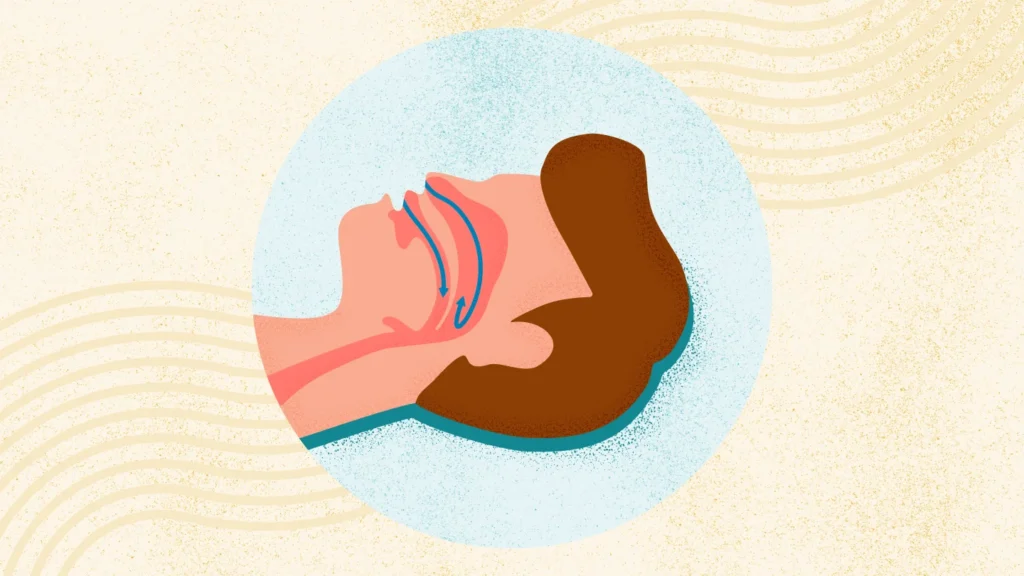
Reality: Snoring often tracks with fragmented sleep, next-day brain fog, and the kind of short fuse that makes workplace burnout feel even worse.
If you’ve noticed more sleep gadgets in your feed, more “sleep hacks” in group chats, or more travel-fatigue complaints after red-eye flights, you’re not imagining it. Sleep health is having a moment. The good news: you can test a few practical fixes at home without wasting a cycle—or a paycheck.
Is snoring actually hurting my sleep quality?
It can. Snoring is vibration and resistance in the airway. Even if you don’t fully wake up, your sleep can get lighter and choppier.
Look for patterns that show up in real life: waking with a dry mouth, feeling unrefreshed after a full night, or needing extra caffeine to function. If your wearable shows frequent awakenings, treat that as a clue, not a diagnosis.
Quick at-home reality check
Try two simple data points for a week:
- Audio: record a few nights (many phones can do this) to see how often and how loud snoring happens.
- Daytime function: note morning headaches, sleepiness, and irritability—especially after “enough” hours.
This keeps the conversation grounded. It also helps you avoid buying three different gadgets because one influencer swore by a new routine.
What’s an anti snoring mouthpiece, and why is it trending?
An anti snoring mouthpiece is a dental-style device worn during sleep. Many designs aim to keep the lower jaw and tongue from drifting back, which can reduce airway narrowing and vibration.
Dental sleep therapies have been getting more attention lately, alongside broader discussions about better screening and treatment options for snoring and sleep-disordered breathing. That’s part of why mouthpieces keep popping up in “does it really work?” reviews and roundups.
Why people are shopping for them right now
- Budget pressure: people want a lower-cost experiment before committing to bigger interventions.
- Relationship peace: snoring jokes are funny until someone moves to the couch on a work night.
- Travel fatigue: hotels and shared rooms make snoring harder to ignore.
How do I know if a mouthpiece is worth trying (or a waste)?
Think in “likely wins” vs “low odds.” A mouthpiece tends to make more sense when snoring is consistent, louder on your back, or tied to jaw position.
It may be a poor fit if you can’t breathe well through your nose at night, you have significant jaw issues, or your symptoms suggest something more serious than simple snoring.
Signs a mouthpiece may be a smart test
- Your snoring is frequent and bothers a partner (or wakes you).
- You notice worse snoring after alcohol or when sleeping on your back.
- You want a home trial that’s less complicated than a full gadget stack.
Signs to skip self-experimenting and get checked
Snoring can overlap with sleep apnea. If you have loud snoring plus choking/gasping, witnessed breathing pauses, or significant daytime sleepiness, talk to a clinician. A reputable overview of Advances in Diagnosis and Treatment of Sleep Apnea and Snoring – 31st Annual can help you spot red flags.
What should I look for when buying an anti-snoring mouthpiece?
Ignore hype and focus on fit, comfort, and whether you’ll actually wear it. The “best” device is the one you tolerate for a full night.
A spend-smart checklist
- Adjustability: small changes can matter. Over-advancing can cause jaw soreness.
- Comfort profile: bulky designs often end up in the nightstand.
- Care and durability: you need a realistic cleaning routine.
- Dental considerations: crowns, braces, loose teeth, or TMJ symptoms deserve extra caution.
If you’re comparing options, start with a focused list like anti snoring mouthpiece and narrow it down to one purchase. One controlled test beats five half-tests.
What else improves sleep quality while you test a mouthpiece?
Pairing a mouthpiece with basic sleep hygiene usually works better than treating it like a magic switch. Many people are trying structured routines lately, including simple “countdown” style habits that reduce late-night stimulation.
Low-effort upgrades that don’t require a new device
- Timing: limit alcohol close to bedtime if it reliably worsens snoring.
- Position: side-sleeping often reduces snoring for back-sleepers.
- Nasal comfort: address dryness or congestion so you’re not forced into mouth breathing.
- Wind-down: dim lights and reduce doomscrolling so you fall asleep faster and stay asleep longer.
Common mouthpiece mistakes that make people quit
Most “it didn’t work” stories come down to one of three things: poor fit, unrealistic expectations, or ignoring discomfort until it becomes a dealbreaker.
- Expecting instant perfection: give it time to settle in.
- Cranking adjustment too fast: soreness is a signal to back off.
- Skipping consistency: two nights on, three nights off won’t show a clear trend.
FAQ: quick answers before you buy
Does a mouthpiece help everyone? No. It’s a practical trial, not a guarantee.
Can I use one if I grind my teeth? Some people can, but grinding can affect comfort and wear. Dental guidance helps if grinding is heavy.
What if my jaw clicks? Mild clicking may not be a dealbreaker, but pain is. Stop and ask a dentist if symptoms worsen.
Next step: try one change, track it, then decide
If snoring is dragging down your sleep quality, a mouthpiece can be a reasonable, budget-aware experiment. Keep it simple: pick one device, track a week or two, and reassess based on sleep and daytime energy—not just a single night.
How do anti-snoring mouthpieces work?
Medical disclaimer: This article is for general education and does not provide medical advice, diagnosis, or treatment. If you have symptoms that suggest sleep apnea (such as choking/gasping during sleep, witnessed breathing pauses, or significant daytime sleepiness), seek evaluation from a qualified clinician.