
Is snoring just a “funny couple problem,” or a sleep-quality problem?
Are viral sleep hacks (like mouth taping) actually doing anything?
Should you try an anti snoring mouthpiece—or is it another gadget drawer regret?
Here’s the practical answer: snoring sits at the intersection of anatomy, habits, and sleep health. Some trends are harmless experiments. Others deserve caution. A well-fit mouthpiece can be a legitimate, low-tech option for many snorers, especially when your main goal is quieter, more stable sleep.
What people are trying right now (and why)
Sleep has become a full-on lifestyle category. You see it in smart rings, sunrise lamps, “sleep tourism,” and the endless stream of travel-fatigue tips. Add workplace burnout and packed calendars, and people want fast fixes that feel measurable.
That’s why snoring solutions keep trending. They’re relatable, they affect relationships, and they’re easy to test. One week you’re comparing mouthguards. The next week you’re laughing about it with your partner—until the exhaustion hits again.
The mouth-taping conversation
Mouth taping has been in the spotlight as a DIY idea tied to nasal breathing and sleep quality. If you’re curious, keep the discussion grounded and safety-first. A useful starting point is reading balanced coverage like Best Anti-Snoring Mouthpieces and Mouthguards of 2026.
Bottom line: if you have nasal blockage, allergies, or possible sleep-disordered breathing, taping can be a bad match. Snoring isn’t always about “mouth breathing.” Sometimes it’s about airflow collapse deeper in the throat.
What matters medically (without overcomplicating it)
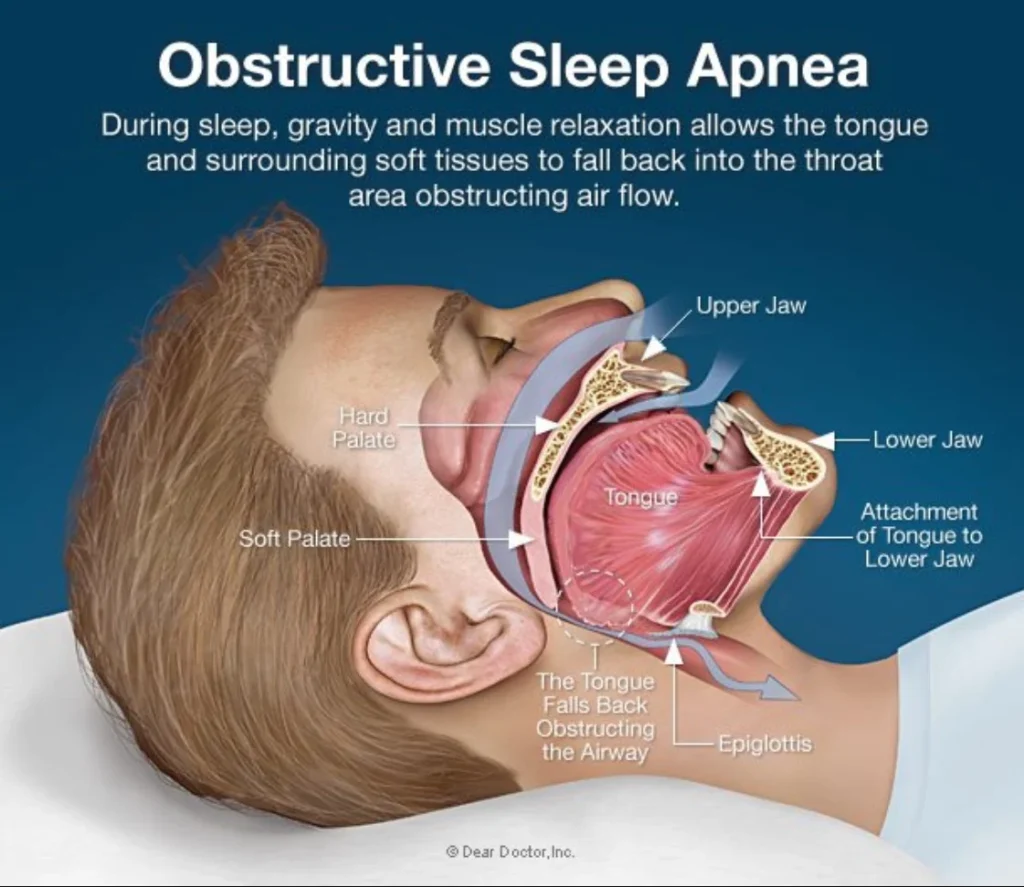
Snoring happens when airflow makes soft tissues vibrate. That vibration often shows up when the airway narrows during sleep. Alcohol, congestion, sleep position, and weight changes can all influence it.
Also: snoring can be a symptom of obstructive sleep apnea (OSA). OSA is not “just noise.” It can involve repeated breathing interruptions and drops in oxygen. If you suspect it, treat that as a health issue, not a sleep-hack problem.
Red flags that should change your plan
- Witnessed pauses in breathing, choking, or gasping
- Morning headaches or dry mouth that doesn’t improve
- Daytime sleepiness that affects driving, work, or mood
- High blood pressure or heart concerns alongside loud snoring
If any of these are in play, skip the guesswork and get evaluated. A mouthpiece can still be part of the conversation, but you’ll want the right diagnosis first.
What you can try at home (a simple, realistic sequence)
Think of this as a low-drama test plan. You’re trying to reduce airway narrowing and reduce sleep disruption—yours and your partner’s.
Step 1: Set a “snore baseline” for 3 nights
Don’t change anything yet. Note bedtime, alcohol, congestion, and sleep position. If you use a sleep app, focus on trends, not perfection.
Step 2: Fix the easy friction first
- Side-sleep support: a pillow setup that keeps you from rolling flat on your back
- Nasal comfort: address dryness or temporary congestion so nasal breathing is easier
- Timing tweaks: earlier alcohol cutoff and a lighter late meal can help some people
Step 3: Trial an anti snoring mouthpiece (the right way)
Anti-snoring mouthpieces are often designed to gently position the lower jaw forward to keep the airway more open. The key is comfort and consistency, not max advancement on night one.
- Prioritize fit: a poor fit can lead to drooling, sore teeth, or jaw fatigue
- Ramp up gradually: short wear time at first can reduce frustration
- Track outcomes: fewer wake-ups and fewer partner “elbows” matter as much as decibel reduction
If you want a combined approach some couples prefer (jaw positioning plus gentle mouth support), you can look at an anti snoring mouthpiece.
Step 4: Protect your sleep relationship
Snoring jokes are common for a reason. Still, resentment builds when one person becomes the “bad sleeper” and the other becomes the “sleep police.” Agree on a two-week experiment window. Keep it collaborative, not blame-based.
When to stop DIY and get help
See a clinician (or ask about a sleep study) if snoring is loud and persistent, if you have the red flags above, or if daytime fatigue is escalating. Also get help if an over-the-counter device causes ongoing jaw pain, bite changes, or dental discomfort.
Medical disclaimer: This article is for general education only and is not medical advice. It does not diagnose, treat, or replace care from a qualified clinician. If you suspect sleep apnea or have concerning symptoms, seek professional evaluation.
FAQ: quick answers people want
Is mouth taping safer than a mouthpiece?
Neither is “automatically safe” for everyone. Mouth taping can be risky if you can’t reliably breathe through your nose. Mouthpieces can cause jaw or dental discomfort if fit is poor.
How do I know if my snoring is position-related?
If snoring is much worse on your back and improves on your side, position likely plays a role. It can still coexist with other causes.
Can stress and burnout make snoring worse?
They can. Stress can disrupt sleep depth and routine. That can indirectly worsen snoring patterns and how tired you feel the next day.
What’s the most practical goal for week one?
Fewer awakenings and fewer complaints from your partner. Quiet is great, but steadier sleep is the real win.
CTA: Get a clear next step
If you’re ready to move from “sleep trend scrolling” to a real trial, start with a simple setup you can actually stick with.