
Before you try another sleep gadget, run this quick checklist:
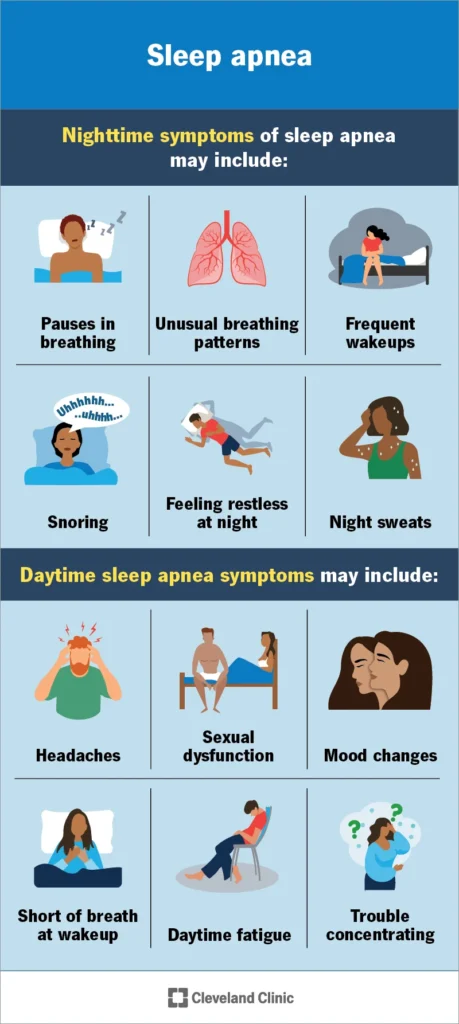
- Is the snoring new, louder, or happening most nights?
- Is anyone waking up tired, irritable, or foggy?
- Are you tempted by trends like mouth taping or “travel recovery” hacks?
- Do you want a solution that won’t turn bedtime into a debate?
If you nodded yes, you’re not alone. Snoring has become a weirdly public topic lately. People swap tips like they’re comparing fitness trackers, especially during burnout cycles, after work travel, or when a partner’s elbow becomes the nightly alarm clock.
Use this if-then map to pick your next move
Snoring is a sound. Sleep quality is the consequence. The goal is fewer interruptions, less tension, and better mornings for both people in the room.
If your partner is annoyed (and you’re stressed), then start with the least dramatic fixes
Relationship humor is common here: “I love you, but I can’t sleep next to you.” It’s funny until nobody is sleeping. Start with changes that don’t require a big purchase or a big argument.
- Try side sleeping support (pillow positioning or a simple positional cue).
- Limit alcohol close to bedtime if you notice worse snoring after drinks.
- Set a consistent wind-down to reduce the late-night “wired but tired” cycle.
These steps won’t solve every case, but they’re low-risk and often improve overall sleep quality.
If snoring ramps up during colds, allergies, or dry hotel rooms, then focus on airflow
Travel fatigue can turn mild snoring into a full performance. Dry air, congestion, and a different pillow setup all matter. Some recent medical coverage has discussed simple measures like saline for kids with sleep-disordered breathing, which reflects a broader point: reducing nasal irritation can be part of the plan.
For adults, consider basics like hydration and managing congestion. Some people also explore nasal dilators, and recent research reviews have looked at how well they work in sleep-disordered breathing. Results can vary, and they won’t address every cause.
Want to skim the broader conversation? See this related coverage: Saline Succeeds for Children With Sleep-Disordered Breathing.
If you’re considering mouth taping because TikTok says it’s “life-changing,” then pause
Mouth taping keeps popping up in trend cycles. Parents ask about it, and adults try it hoping for quieter nights. The big issue is that not everyone can breathe well through their nose, especially during allergy season or when congested.
If you ever feel air-hungry at night, wake up panicky, or suspect nasal blockage, don’t treat tape as a DIY sleep tool. A safer path is to address why your mouth opens in the first place, and to talk with a clinician if you’re unsure.
If snoring seems tied to jaw position, then an anti snoring mouthpiece may be the most direct option
This is the branch most people land on after they’ve tried pillows, apps, and “sleepmaxxing” routines. An anti snoring mouthpiece is designed to change positioning while you sleep, commonly by gently moving the lower jaw forward or stabilizing the tongue area (design depends on the product).
In plain terms: it aims to reduce the airway narrowing that can create vibration and noise. When it works, the win isn’t just quiet. It’s fewer wake-ups, less resentment, and less of that next-day burnout feeling.
How to choose a mouthpiece without overthinking it
Sleep product lists are everywhere right now, including roundups of mouthpieces and mouthguards. Use this short filter so you don’t end up with a drawer full of “almost” solutions.
Fit and comfort: if it hurts, you won’t wear it
Look for designs that emphasize comfort and adjustability. Soreness, jaw tightness, and drooling can happen early on for some users. Those issues often drive people to quit before they get consistent nights.
Snoring pattern: if it’s nightly and loud, take it seriously
If snoring comes with choking, gasping, or heavy daytime sleepiness, don’t just shop harder. Those can be signs of a bigger sleep-breathing issue that needs evaluation.
Household reality: if it’s affecting your relationship, agree on a trial
Make it a two-week experiment with a simple scoreboard: number of wake-ups, how rested you feel, and whether the snoring volume changes. That keeps the conversation factual instead of personal.
If you’re comparing means and materials, start here: anti snoring mouthpiece.
Red flags: when snoring is more than “just snoring”
Don’t ignore symptoms that point to disrupted breathing during sleep. Get professional guidance if you notice:
- Choking, gasping, or pauses in breathing reported by a partner
- Excessive daytime sleepiness or dozing off easily
- Morning headaches or dry mouth most days
- High blood pressure or heart risk factors
These aren’t diagnoses, but they are reasons to get assessed.
FAQ: quick answers people are asking right now
Do anti-snoring mouthpieces work right away?
Some people notice a difference quickly, but comfort and fit can take a short adjustment period. Track outcomes for at least several nights.
Will a mouthpiece improve sleep quality even if I don’t wake up?
Possibly. Snoring can fragment sleep without full awakenings. A quieter, steadier night often shows up as better mood and focus the next day.
Can I combine a mouthpiece with nasal strategies?
Many people do, especially during congestion seasons. If you’re using multiple tools, change one variable at a time so you know what helped.
Next step
If you want a simple explanation before you buy anything, start here:
How do anti-snoring mouthpieces work?
Medical disclaimer: This article is for general education and does not provide medical advice. Snoring can be linked to sleep-disordered breathing and other health conditions. If you have severe symptoms, breathing pauses, or significant daytime sleepiness, talk with a qualified healthcare professional.