
Is your snoring getting worse, or are you just noticing it more?
Are sleep gadgets and “5-minute hacks” actually improving your sleep quality?
Could an anti snoring mouthpiece be the simplest step that helps both you and your partner?
Yes, snoring can ramp up during stress, travel fatigue, and burnout seasons. Some “quick fixes” help you fall asleep, but they don’t always keep your airway open all night. And for many people, a mouthpiece is a practical middle ground between doing nothing and jumping straight to more intensive options.
What people are talking about right now (and why)
Sleep is having a moment. You see it in wearable scores, app alarms that promise perfect timing, and the constant stream of “do this tonight” advice. Add holiday travel, a new-year reset mindset, and workplace burnout, and snoring becomes the uninvited plus-one in a lot of bedrooms.
Relationship humor is trending too, for a reason. Snoring isn’t just “annoying.” It can split sleep schedules, push couples into separate rooms, and turn mornings into negotiations.
The real pattern behind the hype
Most trends fall into two buckets:
- Sleep-onset tools (wind-down routines, short relaxation methods, screen limits) that help you fall asleep.
- Airway tools (positional tweaks, nasal support, mouthpieces) that help you breathe better once you’re asleep.
If your main problem is noise plus fragmented sleep, you usually need the second bucket, not just another bedtime ritual.
The medical reality: snoring, sleep quality, and apnea risk
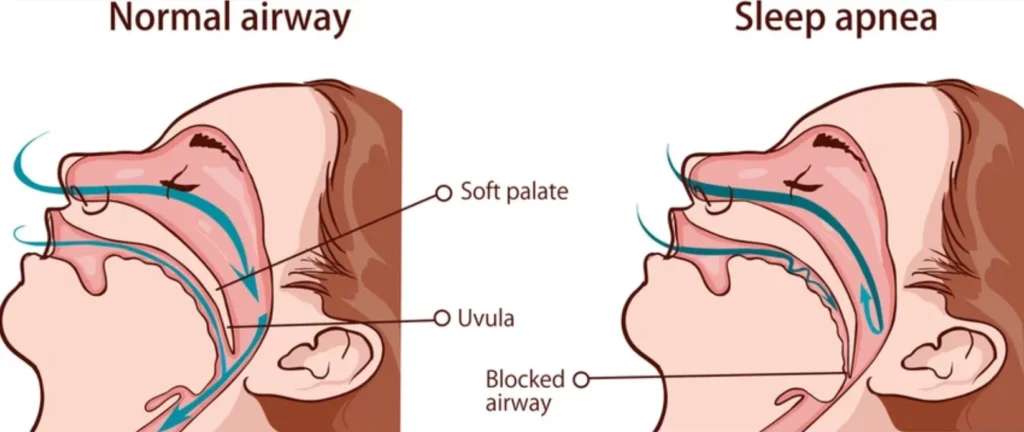
Snoring often happens when the airway narrows and soft tissues vibrate. That narrowing can come from sleep position, nasal congestion, alcohol, anatomy, or changes in body weight. Some recent health coverage has also highlighted how weight changes can be connected to sleep apnea symptoms for certain people.
Snoring can exist without sleep apnea. Still, loud nightly snoring can be a clue that airflow is getting restricted. Sleep apnea is different because it involves repeated breathing interruptions or reduced airflow. It can show up as gasping, choking, or major daytime sleepiness.
Obstructive vs. central: why the label matters
When people compare types of sleep apnea in the news, they’re usually pointing to this: obstructive sleep apnea involves a physical blockage or collapse of the airway, while central sleep apnea involves the brain’s signaling to breathe. Your next step depends on which pattern is present, so persistent symptoms deserve proper evaluation.
Want a general, non-technical overview that reflects what’s been discussed lately? Here’s a related read: How Weight Loss Can Help Your Sleep Apnea.
Medical disclaimer: This article is for general education only. It doesn’t diagnose, treat, or replace medical care. If you suspect sleep apnea or have significant symptoms, talk with a qualified clinician.
What you can try at home (without turning sleep into a second job)
You don’t need a 12-step routine. Use a simple stack: one airway change, one behavior change, and one consistency change.
1) Run a quick “snore audit” for 7 nights
- Position: Did snoring spike on your back?
- Alcohol or heavy late meals: Did it get louder after either?
- Nasal congestion: Did you wake with a dry mouth or blocked nose?
- Timing: Did travel or late work nights make it worse?
This isn’t about perfection. It’s about spotting the lever that actually changes your nights.
2) Try the “keep-it-boring” wind-down
Many recent sleep tips emphasize the basics: protect sleep drive, respect circadian rhythm, and reduce pre-bed overthinking. Translate that into one rule: do the same low-stimulation sequence for 20–30 minutes. Keep lights dim. Keep content boring. Keep it repeatable.
3) Consider an anti snoring mouthpiece if your pattern fits
If your snoring sounds like it’s coming from throat narrowing (especially on your back), an anti-snoring mouthpiece may help by gently changing jaw or tongue position to support airflow. It’s not a “sleep gadget” in the trendy sense. It’s a mechanical tool aimed at the airway.
If you want a product-style option that pairs jaw support with a stabilizing strap, look at an anti snoring mouthpiece.
4) Keep expectations realistic (and track the right outcome)
Don’t only track “Did my partner hear me?” Track:
- Night awakenings (yours and your partner’s)
- Morning dry mouth
- Daytime sleepiness
- Consistency (how many nights you used it)
Progress often looks like fewer wake-ups first, then quieter nights.
When to stop experimenting and get checked
Home trials are fine for simple snoring. Get medical help if any of these are true:
- Someone notices breathing pauses, choking, or gasping.
- You have excessive daytime sleepiness or drowsy driving risk.
- You wake with headaches or feel unrefreshed most days.
- You have high blood pressure or other cardiometabolic concerns.
- Snoring started suddenly or comes with new symptoms.
A sleep evaluation can clarify whether this is simple snoring, obstructive sleep apnea, central sleep apnea, or another issue entirely.
FAQs
Do anti-snoring mouthpieces help sleep quality?
They can, if snoring is fragmenting sleep. Less airway restriction often means fewer micro-awakenings and less partner disruption.
What if I only snore when I’m exhausted or traveling?
That’s common. Travel fatigue, alcohol, and back-sleeping in unfamiliar beds can stack the odds. Use your “snore audit” to identify which factor is doing the most damage.
Can I combine a mouthpiece with other habits?
Yes. Many people do best with a mouthpiece plus side-sleeping support and a consistent wind-down routine.
Is loud snoring always dangerous?
Not always, but it’s a reason to pay attention. If symptoms suggest sleep apnea, don’t rely on self-treatment alone.
CTA: pick one step and test it this week
If snoring is hurting your sleep quality, don’t chase ten hacks. Choose one airway-focused change and use it consistently for a week.