
- Snoring is trending again because people are burned out, traveling more, and buying sleep gadgets.
- Sleep quality drops fast when snoring fragments sleep, even if you “get enough hours.”
- An anti snoring mouthpiece is often a practical middle step between tips-and-tricks and clinical care.
- Fit and comfort decide success more than hype. Jaw position, tongue space, and cleanup matter.
- Know the red flags: snoring can overlap with sleep apnea, which needs medical evaluation.
Snoring has a way of turning a normal night into a group project. One person snores. The other person scrolls sleep-hack videos, shops for gadgets, and considers moving to the couch “just for tonight.” Add travel fatigue, late-night emails, and the current obsession with optimizing everything, and it’s no surprise snoring is back in the spotlight.
There’s also growing interest in airway-focused dental approaches and sleep-breathing health. If you’ve seen headlines about dentists paying closer attention to breathing and sleep, that’s the broader cultural shift: people want better rest, and they want options that feel doable.
First, a quick reality check on snoring and sleep quality
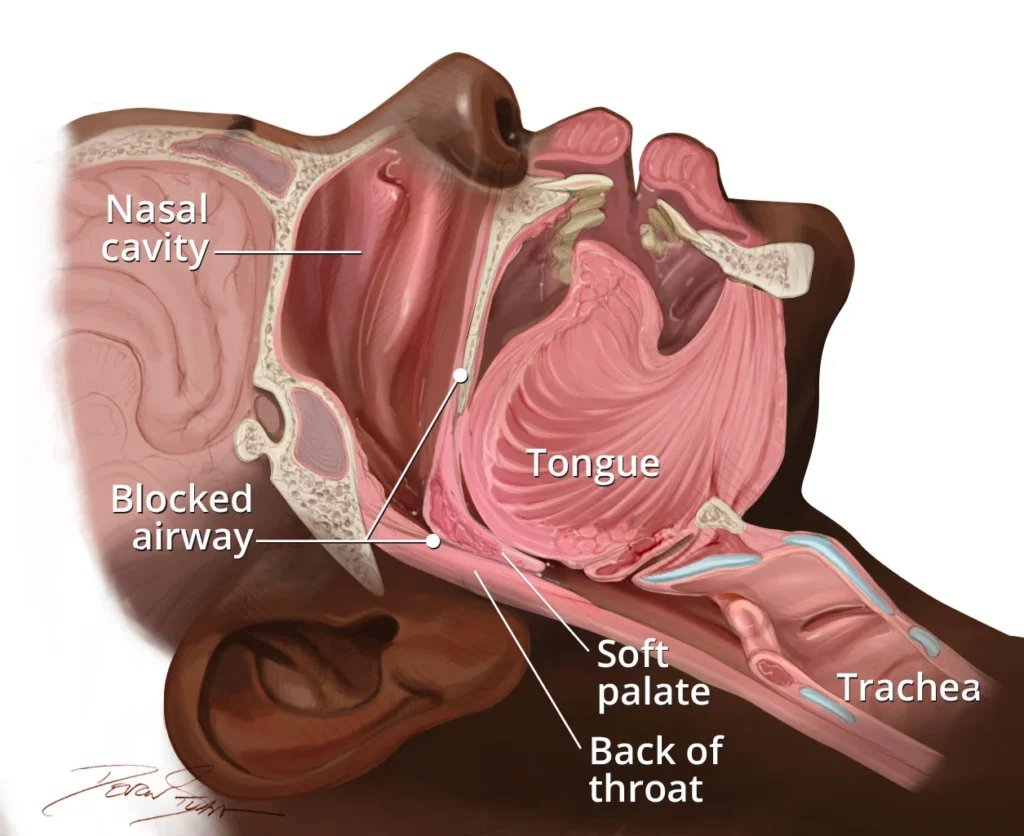
Snoring is the sound of vibration. It usually happens when airflow gets turbulent as tissues in the throat relax during sleep. That turbulence can be influenced by sleep position, nasal congestion, alcohol, weight changes, and jaw or tongue posture.
Even when snoring doesn’t fully wake you up, it can still fragment sleep. Micro-arousals are easy to miss. The next day you feel foggy, irritable, or oddly hungry, and you blame stress. Sometimes it’s just a rough night of breathing.
Medical note: Snoring can also be associated with sleep apnea. If you suspect apnea, don’t self-treat only with gadgets. Get evaluated.
Decision guide: If…then… what to try next
Use these branches to pick a sensible next step. You can combine options, but start simple so you know what actually helps.
If your snoring is mostly “on your back,” then start with positioning
Back-sleeping often lets the jaw and tongue fall backward, narrowing the airway. Side-sleeping can reduce that effect for some people.
- Try a supportive pillow that keeps your head and neck neutral.
- Use a body pillow to make side-sleeping feel stable.
- Be consistent for a week before judging results.
If your nose feels blocked at night, then focus on airflow basics
Congestion can push you into mouth-breathing, which can worsen snoring. People are swapping tips online—from humidifiers to “cold” tricks—because bedroom air and irritation matter.
- Keep the room comfortably cool and not overly dry.
- Wash bedding regularly and consider allergen reduction if you suspect triggers.
- Talk to a clinician if congestion is persistent or severe.
If snoring is frequent and relationship-level disruptive, then consider an anti-snoring mouthpiece
This is where an anti snoring mouthpiece can make sense. Many designs aim to improve airflow by changing jaw or tongue position during sleep. Think of it as a gentle “repositioning tool” rather than a miracle cure.
For people whose snoring is tied to jaw drop or tongue crowding, a mouthpiece can reduce vibration by keeping the airway more open. Comfort is the deal-breaker, so focus on fit, adjustability, and how it feels at 2 a.m., not how it looks in a product photo.
If you want to compare styles and features, start here: anti snoring mouthpiece.
If you wake up with jaw soreness, then prioritize comfort tuning (not brute force)
Some soreness can happen early on, especially if you clamp down or if the fit is too aggressive. The goal is a stable, comfortable position that you can tolerate nightly.
- Start slow: wear it for short periods before sleep to acclimate.
- Adjust gradually: small changes beat big jumps.
- Check your bite feel in the morning: if it feels “off” for hours, reassess.
If you travel a lot or feel “wired but tired,” then build a simple sleep setup
Travel fatigue and workplace burnout are a loud combo. When your sleep schedule shifts, snoring can feel worse because sleep gets lighter and more fragmented.
- Keep a consistent wind-down routine, even in hotels.
- Limit alcohol close to bedtime if snoring is a problem.
- Pack the basics: mouthpiece case, gentle cleaner, and a backup plan (like nasal support if it helps you).
If you have red flags, then skip guessing and get checked
Snoring plus certain symptoms can signal a bigger breathing issue during sleep. Consider medical evaluation if you notice:
- Choking, gasping, or witnessed breathing pauses
- Morning headaches or dry mouth most days
- Excessive daytime sleepiness or dozing off easily
- High blood pressure or heart risk concerns
For broader context on sleep-breathing health and why some dental practices are emphasizing airway considerations, see this related coverage: Creative Smiles Dentistry Advances Airway Dentistry to Address Sleep and Breathing Health in Tucson.
How to make a mouthpiece more tolerable: ICI basics
Most mouthpiece failures aren’t about “willpower.” They’re about friction: discomfort, drooling, dryness, or the hassle of cleaning. Use this ICI checklist to reduce drop-off.
I = Initial fit (first-week strategy)
- Expect an adjustment period. Your mouth needs time to adapt.
- Prioritize a secure but not painful fit.
- If you grind your teeth, consider whether the design feels stable under pressure.
C = Comfort (jaw, gums, and breathing feel)
- Jaw soreness that fades quickly can be normal early on.
- Sharp pain, gum irritation, or persistent bite changes are not “normal enough” to ignore.
- If you feel like you can’t breathe well with it in, stop and reassess.
I = Integrity (cleanup, storage, and consistency)
- Rinse after each use and clean gently to prevent odor and buildup.
- Let it dry fully before storing.
- Keep the case visible so you don’t “forget” it on busy nights.
FAQs
Do anti-snoring mouthpieces work for everyone?
No. They often help when snoring relates to jaw or tongue position, but they may not solve snoring tied to other causes.
What’s the difference between a mouthguard and an anti-snoring mouthpiece?
A sports guard protects teeth. An anti-snoring mouthpiece aims to improve airflow by positioning the jaw or tongue.
How long does it take to get used to one?
Often several nights to a couple of weeks. Gradual wear and small adjustments help.
Can snoring be a sign of sleep apnea?
Yes. If you have choking/gasping, witnessed pauses, or heavy daytime sleepiness, talk to a clinician.
How should I clean it?
Rinse, gently brush with mild soap, and air-dry. Avoid hot water unless the instructions say it’s safe.
CTA: Make the next night easier (for both of you)
If snoring is turning sleep into a nightly negotiation, a mouthpiece can be a practical next step. Focus on comfort, positioning, and a simple cleaning routine so you’ll actually use it.
How do anti-snoring mouthpieces work?
Medical disclaimer: This article is for general education and is not medical advice. Snoring can be a symptom of sleep apnea or other health conditions. If you have breathing pauses, choking/gasping, chest pain, severe daytime sleepiness, or concerns about heart risk, seek evaluation from a qualified clinician.