
At 2:14 a.m., the hotel room goes quiet for exactly eight seconds. Then the snore returns—louder, sharper, like a tiny leaf blower aimed at the pillow. The next morning, two people shuffle into a breakfast line, pretending it’s “just travel fatigue” and laughing about it like a relationship meme.
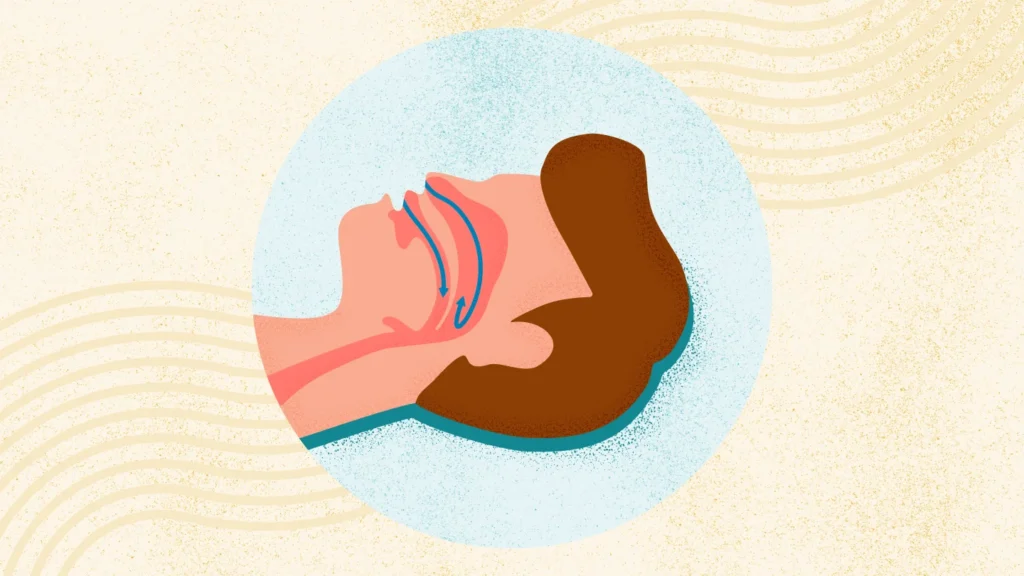
That’s the moment snoring stops being a joke and starts feeling like a sleep-quality problem. Lately, sleep culture has turned into rules, trackers, and “one weird bedtime mistake” warnings. You don’t need a perfect routine to make progress. You need a plan that’s simple enough to follow on real nights.
Overview: Why snoring is suddenly everyone’s sleep topic
Snoring sits at the intersection of health trends and daily life. People are talking about sleep “ratios,” wearable scores, and new bedside gadgets because burnout is real and mornings feel expensive. When sleep tanks, everything feels harder—focus, mood, workouts, even patience.
Snoring also has a social cost. It can split couples into separate rooms, make travel awkward, and turn “early meeting tomorrow” into a low-grade argument. The good news: many cases of snoring respond to basic changes and the right device.
One important note. Snoring can also show up with sleep apnea, a condition linked with breathing disruptions during sleep. If you suspect that, don’t DIY your way past it.
Timing: When to tackle snoring for the biggest sleep-quality payoff
Timing matters because snoring isn’t equally likely every night. It tends to spike when your airway muscles relax more than usual or when your sleep position changes.
Start with the nights that predict the worst snoring
- After alcohol (even a “normal” amount): relaxation can increase snoring for many people.
- After late, heavy meals: reflux and congestion sensations can make breathing feel messier.
- During colds/allergies: nasal resistance pushes you toward mouth breathing.
- After travel: dry hotel air, odd pillows, and overtiredness can amplify snoring.
Use a “sleep rule” as a guardrail, not a religion
You may have seen headlines about sleep rules that frame sleep as a ratio or target. Treat that as motivation to protect your schedule, not as a new metric to obsess over. Consistency helps sleep quality, but perfection usually backfires.
If you want a cultural snapshot of that trend, here’s a related reference: The 7:1 sleep rule can increase your lifespan, so here’s how I’m following it.
Supplies: What you need for a no-drama snoring test week
Skip the gadget pile. For one week, you only need a few basics so you can tell what actually changed your sleep.
- Notes app: track bedtime, alcohol, congestion, and a 1–10 morning energy score.
- Side-sleep support: body pillow or a firm pillow behind your back.
- Hydration + nasal comfort: simple humidification if your room is dry (even a bowl of water near the vent can help a little).
- An anti snoring mouthpiece: for many people, this is the highest-impact “device” to test.
If you want an option that bundles jaw support with added stability, consider an anti snoring mouthpiece. It’s a straightforward way to test whether mouth position is the main driver of your snoring.
Step-by-step (ICI): Identify → Choose → Implement
This is the fast path to a clearer answer without turning your bedroom into a lab.
1) Identify your likely snoring pattern
Use two quick questions:
- Is it worse on your back? If yes, position is a major lever.
- Is your nose often blocked? If yes, nasal breathing support matters.
If a partner reports pauses in breathing, choking/gasping, or you have strong daytime sleepiness, treat that as a medical flag and get evaluated.
2) Choose one primary lever for 7 nights
Pick one of these as your main change:
- Position-first plan: commit to side sleep and pillow setup.
- Mouthpiece-first plan: test an anti snoring mouthpiece consistently.
- Nasal-first plan: prioritize nasal comfort and humidity, and avoid triggers.
Most people do best with mouthpiece + side sleep. Still, change one thing at a time if you want clean feedback.
3) Implement with a simple nightly checklist
- Stop alcohol earlier than usual if you’re testing sleep quality.
- Keep the last heavy meal a few hours before bed when possible.
- Set up your side-sleep support.
- Fit your mouthpiece as directed by the manufacturer. Comfort matters.
- In the morning, rate sleep quality and note any jaw soreness or dryness.
After seven nights, decide based on outcomes, not hope. Did the snoring volume drop? Did your partner sleep through? Did you wake up less?
Mistakes: The common traps that keep snoring stuck
Chasing every new sleep gadget at once
It’s tempting because headlines make it feel urgent. But stacking a new tracker, a new supplement, and a new device at the same time hides what worked. Run small tests.
Ignoring comfort signals
A mouthpiece should not cause sharp pain. Mild adjustment is one thing. Persistent jaw pain, tooth pain, or headaches are a reason to stop and talk with a dentist or clinician.
Assuming snoring is “just annoying”
Sometimes it is. Sometimes it’s a clue that sleep breathing isn’t smooth. If you see red flags—gasping, breathing pauses, high daytime sleepiness, or high blood pressure—get checked for sleep apnea.
Letting burnout set the rules
Workplace stress pushes bedtime later and makes recovery harder. If you can only do one thing this week, protect a consistent wind-down window. Better sleep quality often starts before you even lie down.
FAQ: Quick answers people are searching right now
What does an anti snoring mouthpiece actually do?
Many designs aim to keep the airway more open by gently positioning the lower jaw forward or by supporting tongue position. That can reduce vibration that creates snoring.
Can I use a mouthpiece if I grind my teeth?
Maybe, but it depends on the design and your bite. If you have significant grinding, ask a dental professional which option is safest for your teeth and jaw.
What if snoring only happens when I’m exhausted?
That’s common. Overtiredness can increase relaxation in the airway. A mouthpiece and side sleeping may help on those peak-risk nights.
CTA: Pick your next step (keep it simple)
If snoring is hurting your sleep quality—or your relationship peace—run a seven-night test with one main change and track the result. If you want a direct option to try, start with a mouthpiece approach and keep your setup consistent.
How do anti-snoring mouthpieces work?
Medical disclaimer: This article is for general education and does not provide medical advice, diagnosis, or treatment. Snoring can be a symptom of obstructive sleep apnea or other health conditions. If you have choking/gasping at night, witnessed breathing pauses, severe daytime sleepiness, chest pain, or concerns about heart risk, seek evaluation from a qualified clinician.