
Five rapid-fire takeaways
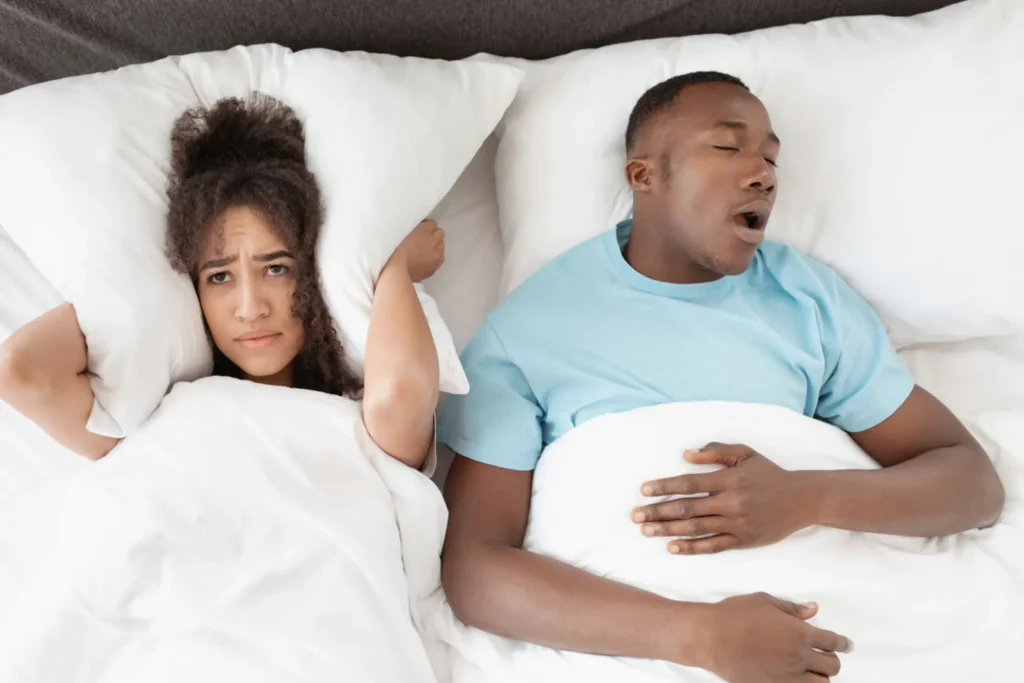
- Snoring is trending again because sleep gadgets, app tracking, and “new year reset” habits are everywhere.
- Noise is the headline, but the real goal is better sleep quality for you and anyone sharing the room.
- An anti snoring mouthpiece can be a practical, low-friction trial for certain snoring patterns.
- Safety matters: fit, jaw comfort, cleaning, and knowing when snoring could be sleep apnea.
- Document your trial (symptoms, settings, nights used) so you don’t waste weeks guessing.
What people are talking about right now (and why it matters)
Sleep has become a culture topic again. People compare ring scores, debate white-noise machines, and buy “smart” bedside gear that promises deeper rest. Add travel fatigue, holiday schedule whiplash, and workplace burnout, and it’s no surprise that snoring shows up in group chats.
There’s also renewed attention on oral appliances. Some headlines point to new devices being evaluated and cleared in connected-care ecosystems, plus aligner-style approaches that overlap orthodontics and sleep-related needs. The vibe is clear: people want options that feel less intimidating than traditional setups.
If you want a general reference point for that conversation, see this coverage on Here are five behavioral and psychological tips for a fresh start toward better sleep in the new year, spanning five categories — sleep drive, circadian rhythm, sleep hygiene, overthinking and pre-bed activity. https://wapo.st/3MQgP1D.
The sleep-health part people miss: snoring isn’t always “just snoring”
Snoring usually happens when airflow makes soft tissues in the upper airway vibrate. That vibration can spike with back-sleeping, nasal congestion, alcohol close to bedtime, or simple anatomy. Even if it’s “only” noise, it can still fragment sleep for both partners.
What you don’t want to ignore is the possibility of obstructive sleep apnea. Apnea is not about annoyance; it’s about breathing stability. If you notice choking or gasping, loud snoring plus frequent awakenings, or heavy daytime sleepiness, treat that as a screening issue, not a gadget-shopping issue.
Relationship reality check: if snoring has turned into nightly jokes, separate blankets, or one person “rage-sleeping” on the couch, that’s a signal. The goal isn’t winning an argument. It’s protecting sleep for both of you.
Try-at-home plan: a smart trial of an anti snoring mouthpiece
Many mouthpieces for snoring work by positioning the jaw and tongue forward to help keep the airway more open. That can reduce vibration and reduce the sound that ruins sleep quality. It’s not magic, and it’s not one-size-fits-all, but it’s a reasonable experiment for the right person.
Step 1: Pick the simplest “test week” setup
Keep your trial clean and trackable. Choose one change at a time so you can tell what helped. If you start a mouthpiece, don’t also overhaul caffeine, pillows, and bedtime all in the same two nights.
- Pick a consistent bedtime window for 7 nights.
- Avoid alcohol close to bedtime during the test week.
- Use side-sleeping support if back-sleeping is a known trigger.
Step 2: Reduce the common failure points (fit, jaw, and expectations)
Most “didn’t work” stories are really “didn’t fit” stories. Give yourself a short adaptation period, but don’t push through real pain.
- Fit and comfort: mild pressure can happen early; sharp pain is a stop sign.
- Jaw tracking: note any morning jaw stiffness, clicking, or bite changes.
- Dry mouth: it’s common. Hydration and nasal breathing support can help.
Step 3: Clean it like a health product (because it is)
This is the unglamorous part, but it lowers risk. Rinse after use, clean daily per manufacturer directions, and store it dry. Replace it when it degrades. If you’re sick, be extra cautious about hygiene and replacement timing.
Step 4: Log results so you can make a decision
Use a simple note on your phone. Track: snoring reports from a partner (or app audio), morning energy, nighttime awakenings, and jaw comfort. After 10–14 nights, decide to keep, adjust, or stop. Guessing is how people end up with a drawer full of sleep gadgets.
If you’re comparing products, start here: anti snoring mouthpiece.
When to stop experimenting and get screened
Home trials are fine for straightforward snoring, but some patterns deserve professional screening. Don’t wait months if the signs are loud.
- Choking, gasping, or witnessed breathing pauses
- High daytime sleepiness, near-miss driving fatigue, or “brain fog” that’s worsening
- Morning headaches or waking with a racing heart
- Jaw locking, significant jaw pain, or bite changes from a device
- Significant dental issues (loose teeth, untreated gum disease) before using an oral appliance
Also consider screening if snoring ramps up after weight changes, during pregnancy, or alongside persistent nasal blockage. Those details can change the best next step.
FAQ
Is snoring always caused by the tongue?
No. It can involve the soft palate, nasal airflow, tonsillar tissue, tongue position, or a mix. That’s why one device can help one person and do nothing for another.
Do sleep trackers prove a mouthpiece is working?
They can provide helpful clues, but they’re not diagnostic. Combine tracker trends with real outcomes: fewer awakenings, better mornings, and reduced snoring reports.
Can I use a mouthpiece if I grind my teeth?
Some people do, but grinding can affect comfort and durability. If you have jaw pain or a history of TMJ issues, a dental professional should guide the choice.
What if my partner says the snoring is “better,” but I still feel tired?
That’s a reason to consider screening for sleep apnea or other sleep disruptions. Quiet isn’t the same as restorative sleep.
CTA: make your next step easy to explain (and easy to repeat)
Snoring fixes should be boring in the best way: consistent, trackable, and safe. If you want a practical place to start, explore options and then run a simple two-week trial with notes.
How do anti-snoring mouthpieces work?
Medical disclaimer: This article is for general education and does not provide medical advice, diagnosis, or treatment. If you suspect sleep apnea, have significant daytime sleepiness, or develop jaw/tooth pain with any device, seek evaluation from a qualified clinician or dentist.