
- Snoring is a sleep-quality issue first, not just a noise problem.
- Trendy hacks (like mouth taping) can be risky if your nose isn’t clear.
- Adult sleep coaching and sleep gadgets are booming because people feel burned out.
- A well-fit anti snoring mouthpiece can be a practical, budget-friendly test before pricey gear.
- Track results like a mini experiment: fewer wake-ups, better mornings, fewer complaints from your partner.
Overview: what people are talking about (and why it matters)
Snoring is getting more attention because sleep has become a culture-wide problem. Between travel fatigue, late-night scrolling, and workplace burnout, people want fast fixes. That’s why you’re seeing more chatter about new anti-snoring devices, “sleep coaching,” and gadget-heavy bedtime routines.
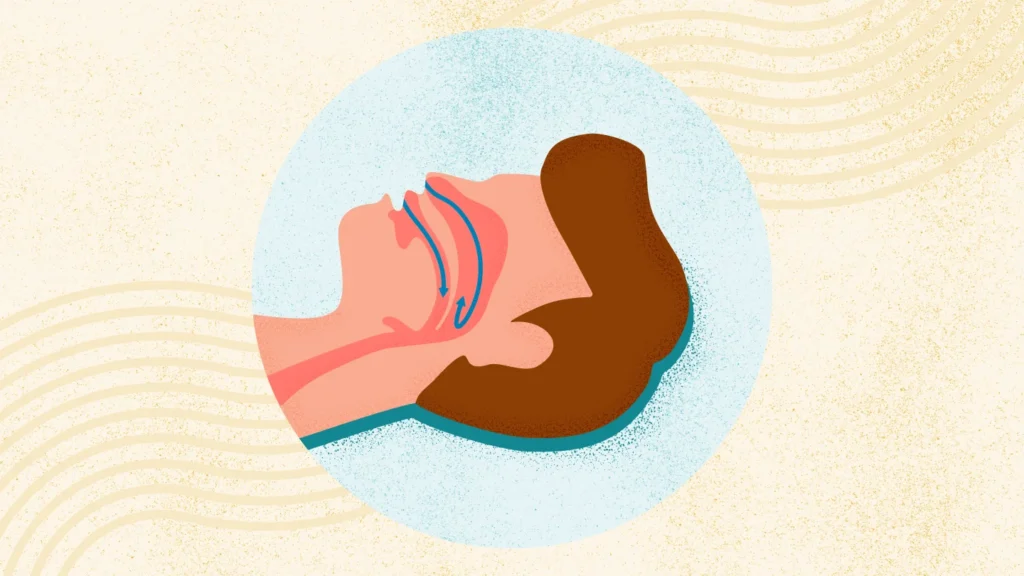
Here’s the practical lens: snoring often fragments sleep. Even if you don’t fully wake up, your sleep can get lighter and less restorative. That can show up as brain fog, irritability, and the classic relationship joke—one person “sleeps,” the other person “survives.”
If you’re curious about nasal approaches, you can skim this Hampshire company invents and markets new anti-snoring device after years of research and use it as context for what nasal devices may (or may not) change for breathing during sleep.
Timing: when it’s worth testing a mouthpiece (and when it’s not)
Try an anti-snoring mouthpiece when snoring is frequent, your sleep feels unrefreshing, or a partner reports loud, regular snoring. It’s also a reasonable move if snoring spikes after travel, alcohol, weight changes, or a congested week and you want a structured way to see what helps.
Skip DIY experimenting and get medical guidance sooner if you notice choking or gasping, pauses in breathing, severe daytime sleepiness, morning headaches, or high blood pressure. Those can be red flags for sleep-disordered breathing that needs proper evaluation.
Supplies: the budget-friendly kit (no gadget pile required)
What you actually need
- A mouthpiece option you can tolerate (comfort matters more than hype).
- Your phone for a simple snore recording app or voice memo.
- A notes file to track sleep quality, dry mouth, and morning jaw feel.
- Basic nasal support if you’re congested (saline rinse or shower steam). Keep it simple.
What you don’t need
- A drawer full of “miracle” gadgets.
- Extreme social-media hacks. If you’re thinking about mouth taping, treat it as a medical question, not a trend.
- Complicated metrics you won’t keep up with.
Step-by-step (ICI): Identify → Choose → Iterate
1) Identify your likely snore pattern
Run a quick baseline for 3 nights. Record audio, note sleep position, alcohol intake, and congestion. Add a 1–10 morning score for how you feel. This gives you something to compare against.
2) Choose a mouthpiece approach that fits your reality
Most anti-snoring mouthpieces aim to change jaw or tongue position to keep the airway more open. The best choice is the one you can wear consistently. If it feels unbearable, it won’t help—because you won’t use it.
If you want to compare options without getting lost, start with a single shortlist and pick one to test for two weeks. Here’s a place to browse anti snoring mouthpiece and narrow down what matches your comfort and budget.
3) Iterate like a simple home trial
- Nights 1–3: wear it for shorter periods if needed. Comfort first.
- Nights 4–7: aim for full-night use. Keep notes on dryness and jaw tension.
- Week 2: compare recordings and morning scores to baseline. Look for trends, not perfection.
Also watch relationship feedback. If your partner stops “moving to the couch,” that’s data.
Mistakes that waste money (and sleep)
Chasing trends instead of causes
Some people jump from nasal strips to mouth taping to a new device every week. That’s expensive and confusing. Pick one change, test it, then decide.
Ignoring nasal congestion
If your nose is blocked, you may mouth-breathe more, which can worsen dryness and make any mouthpiece harder to tolerate. Handle congestion with basic, safe steps and consider talking to a clinician if it’s chronic.
Over-tightening or “powering through” pain
Discomfort is common early on, but pain is a stop sign. Persistent jaw pain, tooth soreness, or gum irritation needs professional input.
Expecting a mouthpiece to fix burnout
Better breathing can help sleep quality, but it won’t erase a packed schedule, late caffeine, or doomscrolling at midnight. If you want a real win, pair the trial with one behavior change you’ll actually keep.
FAQ: quick answers people keep searching
Do anti-snoring mouthpieces help sleep quality?
They can if snoring is disrupting your sleep architecture or waking you (or your partner) repeatedly. The only way to know is to test consistently and track outcomes.
Can I combine a mouthpiece with nasal dilators?
Some people do, especially if they have both nasal restriction and mouth/throat vibration. If you have breathing concerns, ask a clinician what’s appropriate for you.
What if my snoring is worse after travel?
Travel often stacks the deck: dehydration, alcohol, odd pillows, and fatigue. Use your baseline method again after you’re home to see what returns to normal.
CTA: keep it simple and test one thing this week
If snoring is dragging down your sleep quality, don’t drown in advice. Run a two-week, low-drama trial with one mouthpiece and basic tracking. You’ll get a clearer answer than any comment section can give.
How do anti-snoring mouthpieces work?
Medical disclaimer: This article is for general education only and isn’t medical advice. Snoring can be associated with sleep apnea and other health conditions. If you have breathing pauses, choking/gasping, chest pain, severe daytime sleepiness, or ongoing symptoms, seek evaluation from a qualified clinician.