
On a red-eye flight, an exhausted traveler dozed off in the middle seat. Ten minutes later, the snoring started. The row behind them laughed, someone filmed a “sleep gadget” ad on their phone, and the flight attendant gave the classic look: please, not tonight.
That scene is funny until it’s your bedroom. Snoring can chip away at sleep quality, relationships, and next-day focus. If you’ve been seeing headlines about mouthpieces, nasal dilators, and “does this thing really work?” reviews, you’re not alone.
Big picture: where an anti snoring mouthpiece fits
Snoring usually happens when airflow narrows and soft tissues vibrate. The cause can be nasal congestion, sleep position, alcohol, weight changes, or simple anatomy. It can also be a sign of something bigger, like sleep apnea.
An anti snoring mouthpiece is one of the most talked-about tools because it aims to improve airflow mechanically. Many designs gently position the lower jaw forward or help keep the mouth closed, which may reduce tissue collapse in some people.
People also compare options in review-style roundups and consumer testing. If you want a sense of how these products get evaluated, see SleepZee Reviews (Consumer Reports) Does This Anti-Snoring Mouthpiece Really Work?.
Timing: when to try a mouthpiece (and when to screen first)
Try a mouthpiece when snoring is frequent, bothersome, and you suspect it’s worse on your back, after drinks, during travel fatigue, or when you’re congested. That’s the “real life” pattern many couples joke about: one partner tracking sleep stats, the other just wanting quiet.
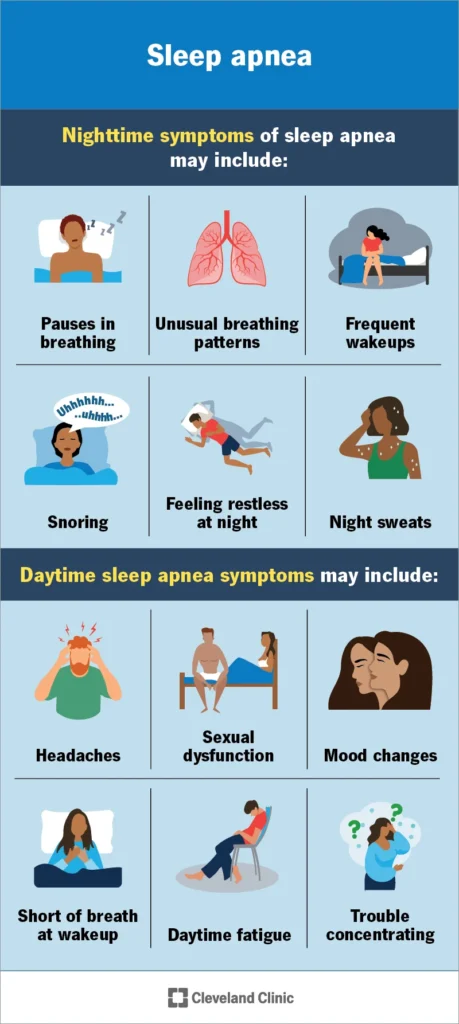
Screen first if you notice red flags that point beyond simple snoring. Common warning signs include loud snoring with choking or gasping, witnessed breathing pauses, morning headaches, or heavy daytime sleepiness. Trusted medical sources also outline symptoms and causes of sleep apnea; if any of these fit, consider reviewing guidance like Mayo Clinic’s sleep apnea symptoms and causes and discussing next steps with a clinician.
Workplace burnout can blur the picture. When you’re running on empty, it’s easy to blame “stress” for everything. Still, persistent snoring plus fatigue deserves a closer look.
Supplies: what to gather so you don’t wing it at 1 a.m.
- Mouthpiece (choose a reputable option; avoid anything that feels flimsy or poorly fitted)
- Cleaning basics: mild soap, cool water, a dedicated toothbrush, and a ventilated case
- Simple tracking: notes app for bedtime, wake time, snoring reports, and comfort
- Backup helpers: nasal saline, allergy control, and a plan for side-sleeping if that helps you
If nasal blockage is a big driver for you, you may also see nasal dilators suggested. Research summaries have looked at how well they perform in sleep-disordered breathing, with mixed results depending on who’s using them and why. Treat them as a targeted tool, not a universal fix.
Step-by-step (ICI): Identify → Choose → Implement
1) Identify your snoring pattern
For 7 nights, write down what’s different on loud-snore nights: alcohol, late meals, congestion, sleeping on your back, or travel. Add one more data point: how you feel the next day (foggy, irritable, fine).
This “mini log” reduces guesswork. It also helps you explain the situation clearly if you later talk to a dentist or sleep clinician.
2) Choose the safest next experiment
Pick one primary intervention for two weeks. If you’re leaning toward a mouthpiece, prioritize comfort, fit, and clear use instructions. If you have dental work, loose teeth, gum disease, or jaw issues, get professional input before forcing your jaw into a new position.
If you want a combined approach some shoppers look for, here’s a related option: anti snoring mouthpiece.
3) Implement with a short ramp-up
Night 1–3: wear it for a short period before sleep to get used to the feel. Then try it through the night if comfortable. Night 4–14: use it consistently and keep your log going.
Focus on three outcomes: partner-reported snoring volume, your sleep continuity (less waking), and jaw or tooth comfort. Consistency matters more than a single “perfect” night.
Common mistakes that wreck results (or create new problems)
- Ignoring screening signs. A mouthpiece may reduce noise but won’t “treat everything” if sleep apnea is present.
- Over-tightening or forcing the jaw. Discomfort is a signal, not a challenge to power through.
- Dirty device habits. Skipping cleaning can irritate gums and create odor. Keep it simple and consistent.
- Device hopping every two nights. Rapid switching makes it hard to know what’s working.
- Expecting a gadget to beat a lifestyle pile-up. Alcohol close to bedtime, severe congestion, and back-sleeping can overwhelm any tool.
FAQ: quick answers people ask in 2026 group chats
Is snoring always a health problem?
Not always, but it can signal airway narrowing and poor sleep quality. If it’s loud, persistent, or paired with daytime sleepiness, take it seriously.
Will a mouthpiece help travel fatigue snoring?
It can, especially if travel pushes you into back-sleeping or fragmented sleep. Hydration, nasal comfort, and consistent sleep timing also help.
Can I combine a mouthpiece with nasal support?
Some people do, particularly when congestion is seasonal. Introduce one change at a time so you can tell what’s helping.
What if my partner says the snoring is better, but I feel worse?
Stop and reassess. Jaw discomfort, disrupted sleep, or possible sleep apnea deserve attention even if the room is quieter.
CTA: a calmer next step tonight
If snoring is straining your sleep and your relationship, aim for a plan you can repeat, not a miracle you’ll abandon. Start with screening for red flags, then trial one tool consistently and track the outcome.
How do anti-snoring mouthpieces work?
Medical disclaimer: This article is for general education only and is not medical advice. Snoring can be a sign of sleep apnea or other conditions. If you have choking/gasping at night, witnessed breathing pauses, chest pain, severe daytime sleepiness, or concerns about jaw/dental health, seek guidance from a qualified clinician or dentist.