
- Snoring is a sleep-quality problem, not just a “funny” bedroom soundtrack.
- Sleep gadgets are trending, but the simplest fix is often airflow + positioning.
- Your nose matters; nasal breathing is getting fresh attention in performance and recovery conversations.
- An anti snoring mouthpiece can help when jaw/tongue position is the main issue.
- Don’t ignore red flags like gasping, choking, or heavy daytime sleepiness.
Between travel fatigue, workplace burnout, and the endless parade of new sleep tech, people are hunting for a solution that doesn’t require a lab, an app subscription, and a second mortgage. Snoring sits right in the middle of that cultural moment. It’s disruptive, common, and relationship-tested.
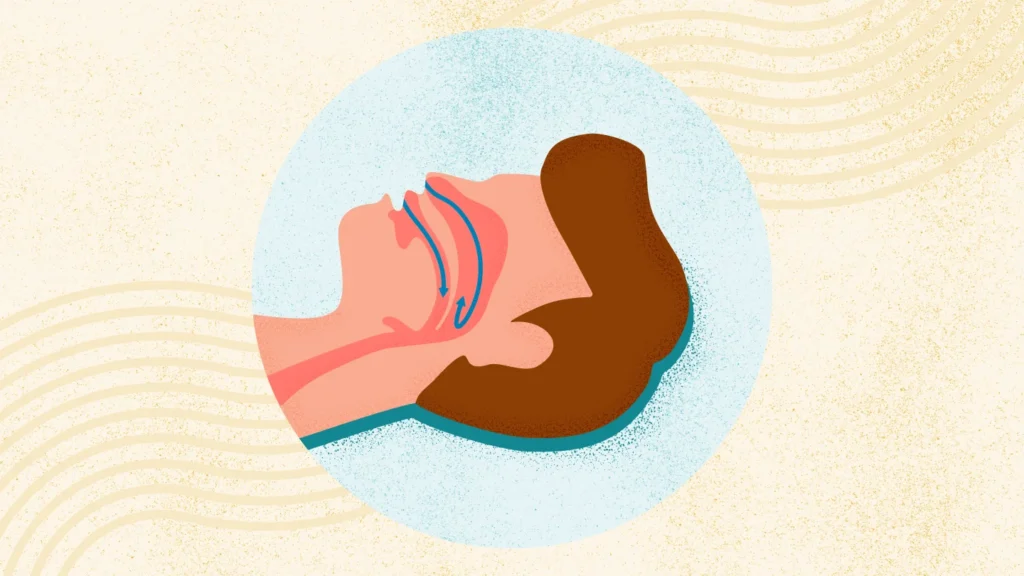
Let’s keep this direct. Here’s what people are asking right now, and where mouthpieces fit.
Why is snoring suddenly a bigger deal for sleep quality?
Because more people are tracking sleep and noticing the fallout. Even without a full wake-up, snoring can fragment sleep. That can show up as groggy mornings, low patience, and “I need a third coffee” afternoons.
It also hits the person next to you. Relationship humor about snoring lands because it’s real: one person snores, the other person spirals. Then both underperform the next day.
What’s trending in the conversation
Recent sleep coverage has leaned into practical, do-it-tonight steps for breathing-related sleep issues. There’s also renewed interest in nasal breathing and performance, which is a useful reminder: sleep is an airflow sport.
If you want a general read on the nasal-breathing angle that’s been circulating, see this: Could Your Nose Be Key to Better Performance?.
Could my nose be the real reason I’m snoring?
Sometimes, yes. If your nose is blocked, you’re more likely to mouth-breathe. Mouth-breathing can increase vibration in soft tissues and make snoring more likely.
Common, non-specific culprits include dry air, allergies, a cold, or structural narrowing. Travel can amplify all of it. Hotel air is often dry, routines change, and fatigue stacks up.
Quick self-checks that don’t require a gadget
- Do you wake with a dry mouth?
- Do you feel “stuffy” most nights?
- Does snoring spike when you’re sick or after drinking alcohol?
If nasal blockage is frequent, a mouthpiece may still help, but it’s not the whole story. Think of it as one lever, not the entire machine.
When does an anti snoring mouthpiece make the most sense?
An anti snoring mouthpiece is usually designed to change what your jaw and tongue do during sleep. The goal is simple: reduce airway narrowing that leads to vibration and noise.
This approach tends to make sense when snoring is positional (worse on your back) or when your lower jaw relaxes backward at night. It’s also appealing if you want something travel-friendly. No batteries. No chargers. No “smart” anything.
What people mean by “mouthpiece” right now
In current reviews and roundups, you’ll see two broad categories discussed:
- Mandibular advancement-style devices (move the lower jaw slightly forward)
- Tongue-positioning styles (aim to keep the tongue from falling back)
If you’re comparing options, start here: anti snoring mouthpiece.
How do I tell if my snoring is “normal” or something bigger?
Snoring can be benign. It can also be a clue that breathing is repeatedly disrupted. That’s why sleep-health articles keep circling back to sleep apnea awareness and practical risk checks.
Signals that should move you from DIY to clinician
- Choking, gasping, or witnessed breathing pauses
- Morning headaches or persistent dry mouth
- Excessive daytime sleepiness, even after “enough” hours
- High blood pressure or new/worsening fatigue
If any of these fit, don’t try to out-hack it. A clinician can help you rule out sleep apnea and discuss evidence-based options.
What should I expect the first week with a mouthpiece?
Expect an adjustment period. Your mouth and jaw may need time to get used to a new resting position. Some people notice quick improvement in noise. Others need small fit tweaks or decide it’s not the right tool.
Keep your expectations practical. The win is quieter nights and steadier sleep, not perfection on night one.
Common friction points (and why they happen)
- Extra saliva early on (your mouth reacts to a new object)
- Jaw stiffness in the morning (position changes can feel odd at first)
- Fit issues (comfort matters; forcing it is a bad plan)
What else helps sleep quality while you’re fixing snoring?
Snoring rarely lives alone. Burnout, late-night scrolling, and irregular schedules can make sleep lighter and more fragile. That makes any snoring feel louder.
Simple supports that pair well with a mouthpiece
- Side-sleeping if back-sleeping is your trigger
- Consistent wind-down (even 15 minutes helps)
- Alcohol timing awareness (snoring often worsens after drinking)
- Bedroom humidity and airflow if dryness or congestion is common
Medical disclaimer: This article is for general education and does not provide medical advice, diagnosis, or treatment. If you suspect sleep apnea or have concerning symptoms, talk with a qualified healthcare professional.
FAQ: quick answers people want before they buy
Is a mouthpiece the same as a CPAP?
No. CPAP is a medical therapy commonly used for sleep apnea. Mouthpieces are often used for snoring and may be used in some apnea cases under clinical guidance.
Can I use a mouthpiece if I have dental work?
It depends. If you have crowns, braces, TMJ issues, or significant dental concerns, ask a dentist or clinician before using an oral device.
Will it stop snoring caused by a cold?
It might reduce some snoring, but congestion can still drive mouth-breathing. Addressing nasal comfort often matters more during illness.
Ready to get the basics straight?
If snoring is dragging down sleep quality, start with the most likely driver: airflow and nighttime positioning. Then choose a tool that matches the cause.