
Snoring is the one “sleep gadget” nobody asked for. It shows up on work nights, travel nights, and the exact night you promised you’d be well-rested.
Meanwhile, your feed is full of sleep trends, tracking rings, and new routines that sound simple until you try them after a long day.
Here’s the practical take: improve the basics first, then use an anti snoring mouthpiece as a targeted tool—without wasting another week on random fixes.
Why is everyone suddenly talking about sleep routines and snoring?
Sleep has become the default “wellness project.” People are comparing bedtime rules, experimenting with wind-down schedules, and trying to undo workplace burnout with a cleaner night.
Add travel fatigue, late dinners, and doomscrolling, and it’s not shocking that snoring comes up. Snoring is loud, obvious, and relationship-famous for turning bedtime into a negotiation.
When is snoring just annoying—and when is it a health flag?
Some snoring is situational. Alcohol, congestion, sleeping on your back, and inconsistent bedtimes can all make it worse.
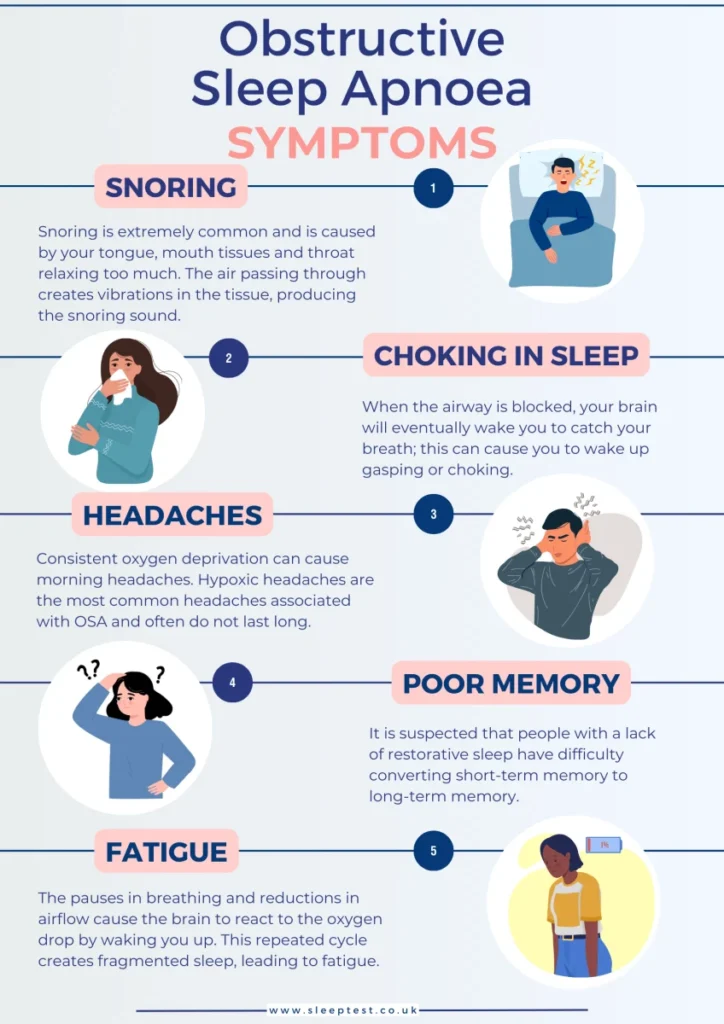
Still, snoring can overlap with sleep apnea for some people. That’s why clinicians and major health outlets keep reminding readers that it isn’t always “just noise,” especially if there are breathing pauses, gasping, or heavy daytime sleepiness.
If you want a deeper read on the broader conversation, check Improve Your Sleep Routine With This 10-3-2-1-0 Hack Tonight.
What actually hurts sleep quality when snoring shows up?
Snoring doesn’t just bother the person hearing it. It can fragment sleep for both people, even when nobody fully “wakes up” and remembers it.
That shows up the next day as brain fog, short temper, extra caffeine, and the feeling that your eight hours didn’t count. It’s also why couples end up testing separate blankets, white noise, or the guest room “just for tonight.”
Which low-cost fixes are worth trying before buying another gadget?
Start with the moves that cost little and don’t require guesswork. Give each one a fair trial for several nights.
1) Clean up the timing (without perfectionism)
Many popular routines focus on reducing late stimulants, late meals, and late-night screen time. The exact formula varies, but the theme is consistent: make bedtime easier by removing friction earlier in the evening.
2) Change position and pillow setup
Back-sleeping can worsen snoring for some people. Side-sleeping support, pillow adjustments, and keeping the neck neutral can help reduce airway “collapse-y” angles.
3) Reduce nose and throat irritants
Dry air, allergies, and congestion can push you toward mouth breathing. Simple steps like hydration and addressing bedroom dryness may help.
So where does an anti snoring mouthpiece fit in?
An anti snoring mouthpiece is a practical middle step: more direct than “try lavender,” less complex than a full medical setup. Many people consider one when snoring is consistent, partner-impacting, and not solved by routine tweaks.
In general, mouthpieces aim to improve airflow by supporting the mouth and/or changing jaw position during sleep. Some newer oral appliances are also being discussed in the context of more connected care, which reflects a bigger trend: people want measurable sleep improvements, not vibes.
Who tends to like this option?
- People who want an at-home approach that’s still targeted
- Couples looking for a quieter room without major lifestyle overhauls
- Travelers who want something packable for hotel fatigue nights
Who should be cautious?
- Anyone with jaw pain, significant dental issues, or discomfort that worsens
- People with symptoms that could suggest sleep apnea (breathing pauses, gasping, severe sleepiness)
What about mouth taping—why is it trending?
Mouth taping gets attention because it sounds simple and “biohacky.” The idea is to encourage nasal breathing by keeping the lips closed.
But simple doesn’t always mean appropriate. If you have nasal blockage, breathing issues, or possible sleep apnea symptoms, it’s smart to talk with a clinician before experimenting. If you try it anyway, prioritize safety and stop if it feels uncomfortable or restrictive.
How do you choose a mouthpiece without wasting a cycle?
Use a short checklist so you don’t buy three versions out of frustration.
- Goal: reduce snoring volume and improve sleep continuity, not chase perfect tracker scores
- Comfort: if it hurts, you won’t wear it
- Consistency: pick something you can use on weeknights and travel nights
- Plan: set a two-week trial window and track outcomes (partner report, morning energy)
If you’re comparing options, here’s a relevant product-style example to review: anti snoring mouthpiece.
Common questions people ask before trying a mouthpiece
Will it fix my sleep quality right away?
Sometimes you’ll notice a difference quickly, especially from the partner side of the bed. For many people, comfort and fit take a little time, so judge it after a short adjustment period.
Do I still need a sleep evaluation?
If you have red-flag symptoms, yes—get evaluated. A mouthpiece can be a comfort tool, but it shouldn’t delay care when breathing pauses or heavy daytime sleepiness are in the picture.
FAQs
Can an anti snoring mouthpiece help with loud snoring?
It can help some people, especially when snoring is related to jaw position or mouth breathing. Results vary, and persistent loud snoring should be discussed with a clinician.
Is snoring always a sign of sleep apnea?
No. Many people snore without sleep apnea. Still, snoring plus choking/gasping, daytime sleepiness, or high blood pressure can be a reason to get evaluated.
What’s the difference between a mouthpiece and mouth taping?
A mouthpiece aims to change airflow mechanics (often by positioning the jaw or supporting the mouth). Mouth taping tries to keep lips closed. If you have breathing issues at night, ask a clinician before trying taping.
How long does it take to get used to a mouthpiece?
Many people need several nights to a couple of weeks. Start with short trials, follow product directions, and stop if you have significant pain or jaw symptoms.
When should I skip DIY fixes and seek medical advice?
If you have pauses in breathing, gasping, morning headaches, significant daytime sleepiness, or heart risk factors, talk to a clinician. Those can be signs of a bigger sleep-breathing problem.
Next step: keep it simple and measurable
Pick one routine change and one snoring tool. Test them consistently for two weeks. That beats cycling through five trends in five nights.
How do anti-snoring mouthpieces work?
Medical disclaimer: This article is for general information only and is not medical advice. Snoring can have many causes, including sleep-disordered breathing. If you suspect sleep apnea or have concerning symptoms (gasping, breathing pauses, severe daytime sleepiness, chest pain, or high blood pressure), seek evaluation from a qualified clinician.