
On a red-eye flight, someone in 18B starts snoring before the seatbelt sign turns off. By the time you land, your jaw is clenched, your brain feels fuzzy, and your group chat is already making jokes about “sleeping like a chainsaw.” That’s the modern snoring moment: part humor, part relationship tension, and part real health concern.
Snoring also shows up in the same conversations as sleep gadgets, burnout, and “why am I still tired?” If you’re trying to fix it at home without wasting a cycle (or a paycheck), an anti snoring mouthpiece is one of the most common tools people consider. Here’s how to think about it in a practical, low-drama way.
The big picture: why snoring messes with sleep quality
Snoring isn’t only a sound problem. It can fragment sleep for the snorer, the partner, or both. Even when you don’t fully wake up, micro-arousals can leave you feeling unrefreshed.
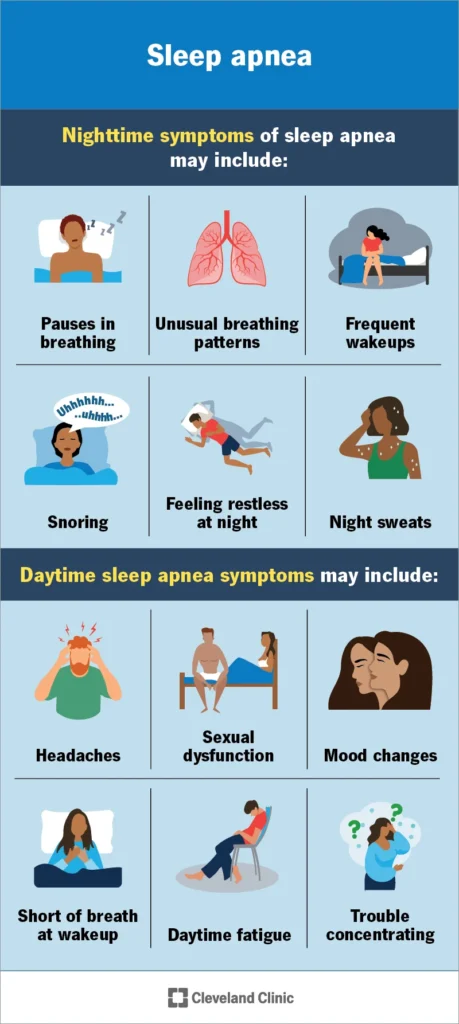
It’s also why recent health coverage keeps tying snoring to bigger themes like heart health and sleep apnea awareness. If snoring is loud, frequent, and paired with symptoms like gasping, morning headaches, or heavy daytime sleepiness, it’s worth taking seriously.
Snoring vs. obstructive sleep apnea (OSA): don’t blur them
Plenty of people snore without OSA. But OSA is common, underdiagnosed, and linked to important health risks. If you suspect it, start with reputable guidance on SleepZee Reviews (Consumer Reports) Does This Anti-Snoring Mouthpiece Really Work? and talk with a clinician about testing.
The emotional side: couples, roommates, and the “I’m fine” trap
Snoring is one of those issues that turns into a personality story. One person becomes “the snorer.” The other becomes “the light sleeper.” Then nobody sleeps well, and everything feels harder—workouts, focus, patience, even decision-making.
Add travel fatigue and workplace burnout, and you get a perfect storm: more stress, less recovery, and more temptation to buy the next trending sleep gadget. The best move is to choose one change you can actually stick with for two weeks.
Practical steps: a no-waste way to test what helps
Before you buy anything, do a quick reality check. Snoring often gets worse with alcohol close to bedtime, nasal congestion, back sleeping, and inconsistent sleep schedules. You don’t need a perfect routine. You need a repeatable one.
Step 1: run a 7-night “snore audit”
- Track the basics: bedtime, wake time, alcohol timing (if any), congestion, and whether you fell asleep on your back.
- Capture data simply: ask a partner, use a basic sleep/snore app, or record a short audio sample.
- Pick one variable to change: for example, earlier alcohol cutoff or a nasal rinse (if you already tolerate it).
Step 2: decide if a mouthpiece fits your snoring pattern
An anti-snoring mouthpiece is typically designed to reposition the jaw or stabilize the tongue to help keep the airway more open during sleep. People often look at them after they’ve tried nasal strips, positional tricks, or “smart” sleep devices that didn’t change the noise.
If your snoring is worse on your back, worse after alcohol, or paired with jaw slack (mouth-open sleeping), a mouthpiece may be worth a trial. If you have significant jaw pain, loose teeth, or major dental work concerns, pause and get dental guidance first.
Step 3: choose a mouthpiece like you’re buying shoes
Fit and comfort drive whether you’ll use it. A mouthpiece that sits in a drawer helps nobody.
- Prioritize adjustability: tiny changes can matter more than “maximum advancement.”
- Look for clear instructions: especially if it’s boil-and-bite.
- Budget for the full trial: give it enough nights to adapt before you declare it a failure.
If you’re comparing options, start here: anti snoring mouthpiece.
Step 4: make it ADHD-friendly (and burnout-proof)
Sleep advice can feel impossible when your brain won’t downshift. Recent discussions about ADHD and sleep often focus on reducing friction, not chasing perfection. Try a two-part plan:
- One anchor habit: same “lights-out” cue most nights (shower, audiobook timer, or a short stretch).
- One snoring tool: positional support or a mouthpiece—just one, not five gadgets at once.
Safety and testing: how to use a mouthpiece without creating a new problem
Mouthpieces can cause temporary soreness, extra saliva, dry mouth, or tooth discomfort at first. Mild, short-lived discomfort can happen during adaptation. Sharp pain, persistent jaw clicking, or bite changes are not “powering through” moments.
Smart testing rules
- Start conservative: use the least aggressive setting that still helps.
- Log outcomes: snoring volume (partner rating), morning jaw comfort, and daytime energy.
- Stop if symptoms escalate: especially jaw pain, tooth pain, or worsening sleepiness.
When to skip DIY and get evaluated
- Choking/gasping during sleep, or witnessed breathing pauses
- High blood pressure, significant daytime sleepiness, or morning headaches
- Snoring that persists despite basic changes and causes serious impairment
Dental sleep medicine is also evolving, and professional oral appliances may be recommended for certain patients. If you’re on the border between “annoying snoring” and “possible apnea,” testing is the money-saving step, not the expensive one.
FAQ: quick answers people want before they buy
Will a mouthpiece help if I only snore sometimes?
It can, but intermittent snoring is often driven by triggers like alcohol, congestion, or back sleeping. Start by identifying your trigger nights, then decide if a mouthpiece is worth using regularly.
Can I combine a mouthpiece with nasal strips or a humidifier?
Many people do, especially if nasal congestion plays a role. Introduce one change at a time so you know what actually helped.
What’s the fastest way to tell if it’s working?
Use partner feedback or a simple snore recording. Also watch your morning markers: fewer dry-mouth mornings, fewer wake-ups, and better energy.
Medical disclaimer: This article is for general information only and is not medical advice. Snoring can be a sign of obstructive sleep apnea or other health conditions. If you have concerning symptoms (gasping, choking, breathing pauses, severe sleepiness, or heart-related concerns), seek evaluation from a qualified clinician or dentist trained in sleep medicine.
CTA: make the next step simple
If you want a practical starting point, compare mouthpiece styles and fit options first. Then run a two-week trial with basic tracking so you don’t waste money guessing.