
- Snoring is a sleep-quality problem—not just a noise problem.
- Don’t blow your budget on every new sleep gadget; run a simple, trackable plan first.
- An anti snoring mouthpiece can be a practical next step when jaw/tongue position seems to drive the snore.
- Some viral “sleep hacks” can backfire, especially if you have nasal blockage or possible sleep apnea.
- Measure progress like a grown-up: baseline, one change at a time, and a two-week check-in.
The big picture: why snoring is trending again
Sleep is having a moment. Between wearable scores, “biohacking” reels, and yet another new bedside device, it’s easy to feel like you’re one purchase away from perfect rest. Then travel hits, your schedule slides, and suddenly your partner is negotiating for “quiet hours.”
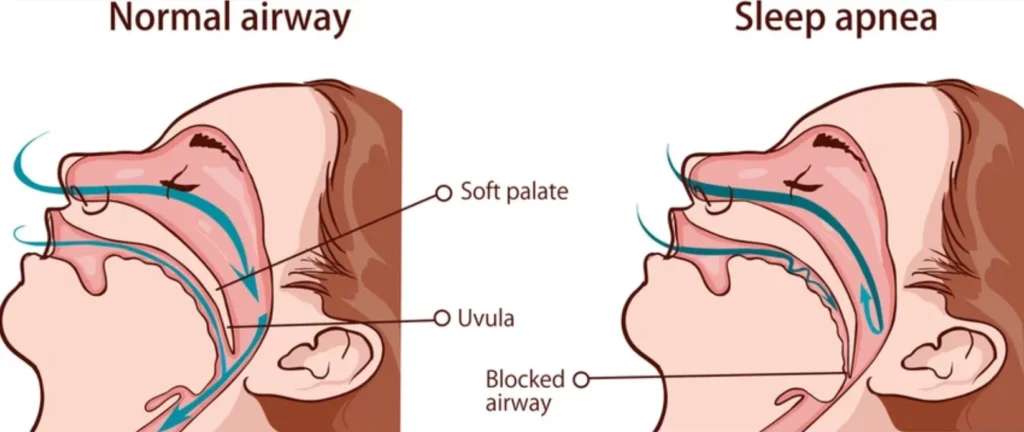
Snoring sits right in the middle of this. It affects how you sleep, how your partner sleeps, and how you show up at work. When burnout is already simmering, a noisy night can be the last straw.
Recent health coverage has also put a spotlight on sleep-disordered breathing and what people wish they’d understood earlier—especially how symptoms can ripple into daily life. The takeaway: snoring isn’t always “just snoring,” and it’s worth taking seriously without spiraling.
The human side: relationships, embarrassment, and the 2 a.m. bargain
Snoring is weirdly emotional. People joke about it, but it can create real tension—separate bedrooms, resentment, or that nightly dance where someone rolls you over like you’re a piece of luggage.
If you’ve tried to “fix it” with random hacks, you’re not alone. Mouth taping, novelty pillows, and one-size-fits-all gadgets are all over social feeds. The problem is that snoring has different causes, so copying someone else’s routine can waste time and money.
Also: if you’ve ever felt embarrassed about snoring on a trip, you’re in good company. Travel fatigue, alcohol, and unfamiliar sleep positions can make snoring louder. That doesn’t mean you’re broken. It means your sleep system is sensitive.
Practical steps: a no-waste order of operations (do this at home)
This is the budget-friendly approach: start with the simplest levers, track outcomes, then decide if an anti snoring mouthpiece is a good bet.
Step 1: Get a 7-night baseline (before buying anything)
Pick two metrics and keep it simple:
- Snore volume/frequency: partner notes or a phone recording app.
- Morning result: headache, dry mouth, grogginess, or feeling restored.
One bad night can lie. Patterns don’t.
Step 2: Fix the “snore accelerators” you control
- Alcohol close to bedtime can relax airway tissues and worsen snoring for some people.
- Sleep position matters. Back-sleeping often increases snoring.
- Congestion pushes you toward mouth breathing. Address seasonal stuff and bedroom dryness.
Keep changes small and test them one at a time for a week. This prevents the classic mistake: trying five things, then not knowing what helped.
Step 3: Decide if a mouthpiece matches your snoring pattern
An anti snoring mouthpiece is often used to encourage a better jaw/tongue position during sleep. That can reduce tissue vibration that creates snoring in some people.
It’s not automatically the right tool if your main issue is nasal blockage, allergies, or frequent wake-ups with gasping. In those cases, you may need a different plan and medical input.
If you want to compare choices, start with a focused list of anti snoring mouthpiece and match features to your comfort and budget. Avoid buying three devices at once “just in case.”
Safety and testing: what to skip, what to watch for
Some trends spread faster than the evidence. One example in recent coverage: people experimenting with taping their mouths shut at night. Doctors have raised concerns because it can be unsafe for certain individuals, especially if nasal breathing is limited or if sleep-disordered breathing is possible.
If you’re curious about that trend, read up on Why Doctors Say You Shouldn’t Tape Your Mouth Shut at Night before you try it. If you have any breathing concerns, talk to a clinician first.
Signs you should get checked (don’t DIY past this)
- Choking, gasping, or witnessed breathing pauses
- Excessive daytime sleepiness, dozing off easily, or “brain fog” that won’t quit
- Morning headaches, high blood pressure concerns, or persistent poor sleep
Those don’t confirm sleep apnea, but they’re common reasons to ask about screening.
How to run a 14-night mouthpiece trial without fooling yourself
- Nights 1–3: prioritize comfort and fit; don’t judge results yet.
- Nights 4–14: track snoring and morning symptoms consistently.
- Don’t change three other variables (new pillow, new supplement, new bedtime) during the test.
If your jaw hurts, your bite feels “off” in the morning for a long time, or you can’t tolerate it, stop and get guidance from a dental or medical professional.
Quick FAQ: the questions people keep asking
Is it normal to snore more when I’m stressed or burned out?
It can happen. Stress can shift sleep depth, bedtime routines, and alcohol/caffeine timing—all of which can affect snoring indirectly.
Could a vitamin issue be connected to snoring?
Some recent headlines have mentioned vitamin D in relation to snoring. Snoring still has many causes, so don’t assume a supplement is the fix. Ask a clinician if testing makes sense for you.
What if my partner says the snoring is “gone,” but I still feel tired?
Snoring volume isn’t the whole story. If fatigue persists, consider a medical check-in to rule out sleep-disordered breathing or other sleep issues.
CTA: a simpler next step
If you’re done wasting cycles on random hacks, start with one clear experiment: choose a mouthpiece designed for snoring, track two metrics for two weeks, and decide based on data—not hype.
How do anti-snoring mouthpieces work?
Medical disclaimer: This article is for general education only and isn’t medical advice. It doesn’t diagnose, treat, or replace care from a qualified clinician. If you suspect sleep apnea or have breathing pauses, chest pain, severe daytime sleepiness, or other concerning symptoms, seek medical evaluation.