
On a random Tuesday night, someone rolls over and whispers, “Please… just one quiet night.” The other person laughs, then sighs, because the snoring is already starting. By morning, they’re both tired, a little snippy, and suddenly that tiny disagreement about dishes feels huge.
That’s why snoring is having a moment in the broader “sleep optimization” conversation. People are testing sleep trackers, experimenting with bedtime rules, and swapping travel-fatigue tips. Under the humor, there’s a serious point: sleep quality affects mood, focus, and how well you handle stress.
The big picture: why snoring keeps showing up in sleep talk
Sleep trends come and go, but the goal stays the same: fewer wake-ups and more restorative sleep. Recent sleep content has pushed simple routines and “wind-down” structures, the kind you can remember when you’re exhausted. Those ideas are popular because they reduce decision fatigue at night.
Snoring sits right in the middle of this. It’s loud, it’s disruptive, and it’s social. It can turn bedtime into a negotiation instead of recovery time.
Snoring isn’t always “just annoying”
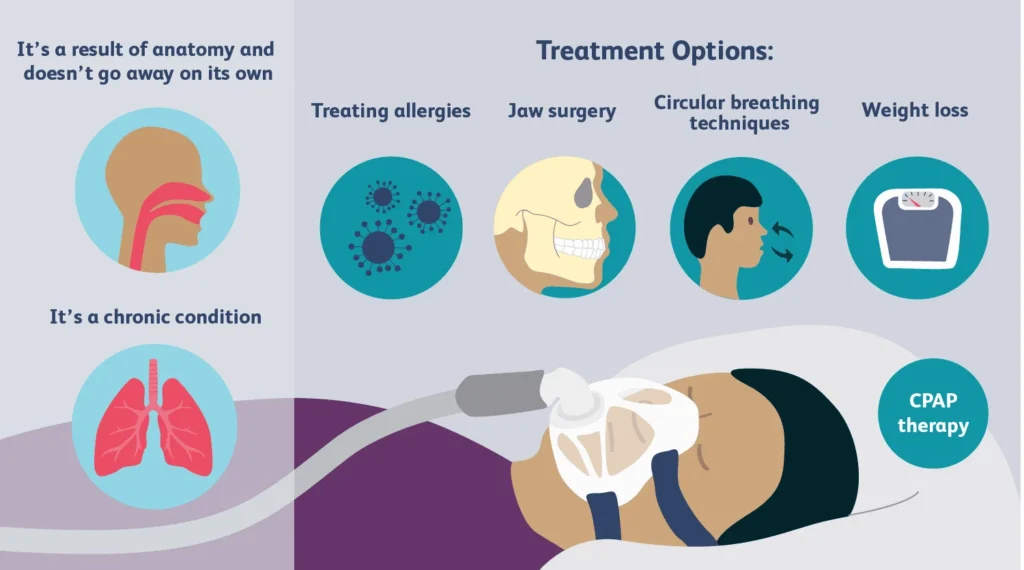
For many people, snoring is benign. Still, persistent loud snoring can also be associated with sleep-disordered breathing in some cases. Health organizations often note that symptoms like gasping, choking, or witnessed breathing pauses deserve medical attention.
If you suspect sleep apnea, don’t self-manage it in silence. Get evaluated so you know what you’re dealing with.
The emotional side: stress, relationships, and the “separate bedrooms” joke
Snoring rarely stays contained to the person making the noise. The partner becomes a light sleeper, then a resentful sleeper, then a person who dreads bedtime. That’s how relationship humor (“I’m moving to the couch!”) becomes real tension.
Add workplace burnout, late-night scrolling, and travel fatigue, and you get a perfect storm. People want a fix that feels practical, not another complicated wellness project.
A quick conversation that helps
Try framing it as a shared problem: “We’re both losing sleep.” Keep it specific: how often it happens, how it affects mornings, and what you’re willing to test together. That tone reduces defensiveness and keeps the focus on sleep health, not blame.
Practical steps: what to try before you buy another gadget
Sleep gadgets are everywhere right now, and some are genuinely helpful. Still, the basics often do more than people expect. If you’re seeing “routine hacks” in the news, treat them as structure, not magic.
Build a simple wind-down you’ll actually follow
Pick a repeatable routine and stick with it most nights. If you like trend-driven frameworks, you can borrow ideas from the popular Improve Your Sleep Routine With This 10-3-2-1-0 Hack Tonight and adapt them to your life.
Keep it boring on purpose. Consistency beats intensity when you’re tired.
Reduce common snoring triggers (without overhauling your life)
- Sleep position: Back-sleeping can worsen snoring for some people. Side-sleeping may help.
- Nasal comfort: Congestion can make airflow noisier. Simple, non-medicated comfort steps may help some nights.
- Alcohol timing: Evening drinks can relax airway muscles and increase snoring for some people.
- Sleep debt: When you’re overtired, snoring can feel worse. Travel weeks and deadline weeks matter.
Where an anti snoring mouthpiece fits
If your snoring seems position- or airway-related, an anti snoring mouthpiece can be a straightforward next step. Many designs aim to support the jaw or tongue in a way that keeps the airway more open during sleep. The point is simple: less vibration, less noise, fewer disruptions.
If you’re comparing options, start here: anti snoring mouthpiece. Focus on comfort, adjustability, and clear use instructions.
Safety and “does this actually fit me?” checks
Mouthpieces can be useful, but they’re not “set and forget.” Pay attention to how your jaw and teeth feel, especially in the first two weeks. Mild adjustment discomfort can happen, but sharp pain or persistent soreness is a stop sign.
Quick self-screen before you commit
- Red flags: breathing pauses, gasping, chest discomfort, severe daytime sleepiness, or morning headaches.
- Dental considerations: significant TMJ issues, loose teeth, or untreated gum disease can complicate use.
- Realistic goal: aim for “quieter and fewer wake-ups,” not perfection on night one.
Medical disclaimer: This article is for general education and does not replace medical or dental advice. If you suspect sleep apnea or have ongoing symptoms, talk with a qualified clinician for evaluation and personalized guidance.
FAQ: quick answers people want before bedtime
Is snoring always caused by sleep apnea?
No. Snoring can happen without sleep apnea. Still, loud chronic snoring plus symptoms like gasping or witnessed pauses should be checked.
Will a mouthpiece help if I’m exhausted from travel?
It might reduce snoring noise, but travel fatigue can also worsen sleep quality in general. Pair any device with a simple wind-down and a consistent sleep window when possible.
What if my partner is the one who snores?
Make it a team plan: agree on one change per week. Track outcomes like “number of wake-ups” instead of arguing about volume at 2 a.m.
CTA: make the next step easy
If snoring is cutting into your sleep quality and your relationship patience, don’t just keep buying random sleep gadgets. Pick one sensible intervention, test it, and measure how you feel in the morning.