
Q: Is your snoring just “annoying,” or is it stealing your sleep quality?
Q: Are sleep gadgets and anti-snore devices actually helping people—or just filling nightstands?
Q: If you try an anti snoring mouthpiece, what should you do first so it’s comfortable and safe?
Those are the right questions. Snoring sits at the intersection of sleep health, relationships, and modern life. People are traveling more, feeling more burned out, and trying more “quick fixes” at bedtime. That mix makes snoring feel louder than ever—literally and socially.
What people are talking about right now (and why)
Snoring isn’t just a punchline anymore. It’s showing up in sleep trend lists, device roundups, and personal stories about how breathing-related sleep issues can quietly affect daily life. The vibe is consistent: people want practical tools, not vague advice.
Three themes keep popping up:
- Sleep tech everywhere: trackers, smart alarms, and “anti-snore” products that promise fast relief.
- Travel fatigue: red-eyes, hotel beds, and time zone swings that make snoring worse for some people.
- Relationship humor with real stakes: “guest room jokes” often hide genuine frustration and lost sleep.
If you want one cultural reality check, it’s this: snoring is increasingly treated as a sleep quality problem, not just a noise problem. For broader context on how breathing-related symptoms can ripple into daytime life, see What I Wish I Knew: How Much OSA Symptoms Would Affect My Sleep and Daily Life.
What matters for sleep health (the medical-adjacent basics)
Snoring usually happens when airflow meets resistance. Soft tissues vibrate, sound happens, and sleep can get choppy—even if you don’t fully wake up. That’s the “why do I feel tired when I slept 8 hours?” experience.
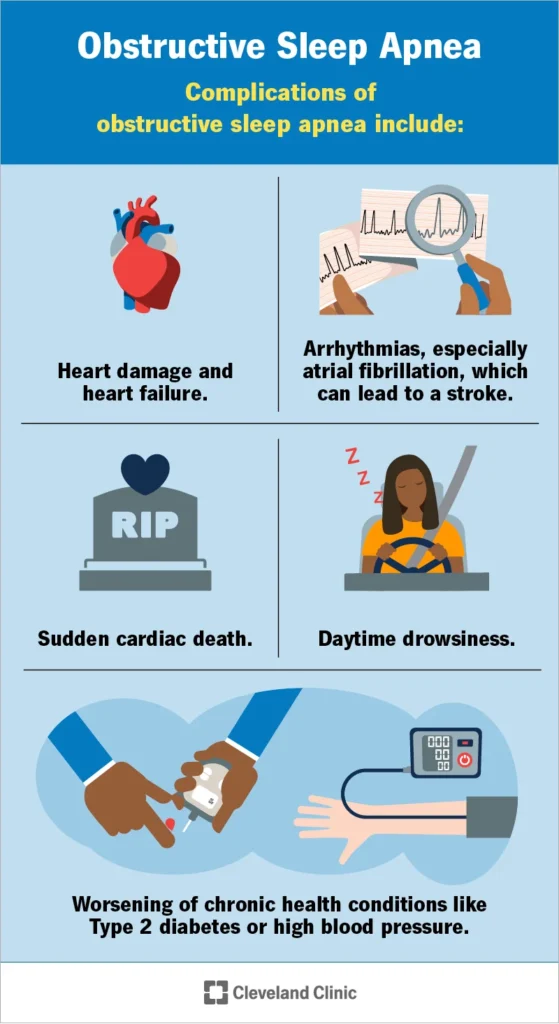
Here’s the part people miss: snoring can be harmless, or it can be a sign you’re not breathing well at night. You can’t diagnose that with a phone recording or a partner’s complaint alone.
Red flags you shouldn’t ignore
- Pauses in breathing witnessed by someone else
- Gasping/choking sensations during sleep
- Morning headaches, dry mouth, or sore throat most days
- Significant daytime sleepiness, irritability, or focus problems
- High blood pressure or heart risk factors (talk to a clinician about your personal risk)
Medical disclaimer: This article is for general education and does not diagnose, treat, or replace medical advice. If you suspect sleep apnea or have concerning symptoms, seek evaluation from a qualified clinician or a sleep specialist.
How to try at home (mouthpiece + technique, not guesswork)
If you’re trying an anti-snore device, aim for a simple, controlled experiment. Don’t change five things at once and then wonder what worked.
Step 1: Pick one primary tool
An anti snoring mouthpiece is popular because it’s small, travel-friendly, and doesn’t require a full bedroom overhaul. Many designs aim to position the jaw and tongue to keep the airway more open.
If you’re comparing products, start here: anti snoring mouthpiece.
Step 2: Use “ICI” so it’s tolerable
Think ICI: Insert, Comfort, Inspect. This keeps you from forcing a bad fit for weeks.
- Insert: Follow the product’s fit steps exactly. Don’t “improvise” with boiling water or trimming unless the instructions say so.
- Comfort: Mild pressure can be normal; sharp pain is not. If you wake up clenching, reduce wear time and reassess fit.
- Inspect: Check gums, teeth, and jaw the next morning. Any persistent soreness is a stop-and-evaluate sign.
Step 3: Pair it with positioning (the underrated multiplier)
Body position matters. Back-sleeping often worsens snoring for many people. Side-sleeping can help, especially when travel or burnout has you sleeping “dead to the world” in the least helpful posture.
Try a simple setup:
- Use a pillow that keeps your head neutral, not cranked forward.
- Consider a gentle “side-sleep cue” (like a body pillow) instead of aggressive gadgets.
- Keep nasal breathing easy: manage dryness with safe humidity habits, and avoid irritants in the bedroom.
Step 4: Clean-up routine (so you actually keep using it)
Compliance dies on the sink counter. Make cleaning automatic:
- Rinse immediately after use.
- Brush lightly with mild soap (not harsh toothpaste that can scratch some materials).
- Air-dry fully, then store in a ventilated case.
When to stop experimenting and get help
Self-testing is fine for simple snoring. It’s not a substitute for care if symptoms point to something bigger.
Get evaluated sooner if:
- You suspect sleep apnea (breathing pauses, gasping, heavy daytime sleepiness).
- Your snoring is getting worse quickly, especially with weight changes or new medications.
- You develop jaw clicking, tooth pain, or bite changes with a mouthpiece.
- Your partner reports loud snoring plus restless sleep patterns.
A clinician can help you sort out whether a mouthpiece is appropriate, whether a different approach fits better, or whether you need a sleep study.
FAQ (quick answers)
Do anti-snoring mouthpieces work for everyone?
No. They often help when snoring is related to jaw position and airway narrowing, but they may not help snoring from other causes.
How long does it take to get used to an anti snoring mouthpiece?
Many people adapt over several nights to a couple of weeks. Start with shorter wear time and focus on fit and comfort.
Can a mouthpiece help sleep quality even if I don’t wake up?
It can, if it reduces snoring and related arousals. Better airflow and fewer disruptions may improve how rested you feel.
Is loud snoring always a sign of sleep apnea?
Not always, but it can be a red flag—especially with choking/gasping, daytime sleepiness, or witnessed breathing pauses.
How do I clean a snoring mouthpiece?
Rinse after use, brush gently with mild soap, and let it air-dry. Avoid hot water that can warp materials unless the product says it’s safe.
When should I stop using a mouthpiece and talk to a professional?
If you have jaw pain, tooth pain, worsening sleep, or symptoms that suggest sleep apnea (like gasping or heavy daytime sleepiness), get evaluated.
CTA: Make the next step simple
If your goal is fewer noisy nights and better mornings, keep it straightforward: pick one tool, track comfort, and pair it with smarter sleep positioning.